Short Answer
Welcome to a captivating exploration of two of nature’s most fascinating and misunderstood creatures: fairy ants and fire ants. In this guide, you’ll uncover the hidden metaphors behind their behaviors, discover the unique appeal that makes them stand out in the insect world, and learn how their existence challenges our perceptions of strength, unity, and resilience. By the end, you’ll see these tiny beings not just as insects, but as living parables of nature’s ingenuity.
The Enigmatic World of Fairy Ants: Nature’s Tiny Architects
Fairy ants, often overlooked due to their minuscule size, are among the smallest ants in the world, with some species measuring less than a millimeter in length. Despite their diminutive stature, they possess an extraordinary architectural prowess that belies their size. These ants are master builders, constructing intricate nests within the hollow stems of plants or beneath the bark of trees. Their colonies are often found in moist, sheltered environments, where they thrive in tight-knit communities.
The metaphor of the fairy ant as a “tiny architect” extends beyond mere construction. It symbolizes adaptability and resourcefulness—qualities that resonate deeply in human societies. Fairy ants teach us that greatness isn’t measured by size but by the precision of execution and the harmony of the collective. Their nests, though small, are marvels of efficiency, with chambers designed for ventilation, storage, and nurturing the young. This meticulous organization serves as a reminder that even the smallest entities can achieve remarkable feats through collaboration and ingenuity.

Fire Ants: The Living Embers of the Insect World
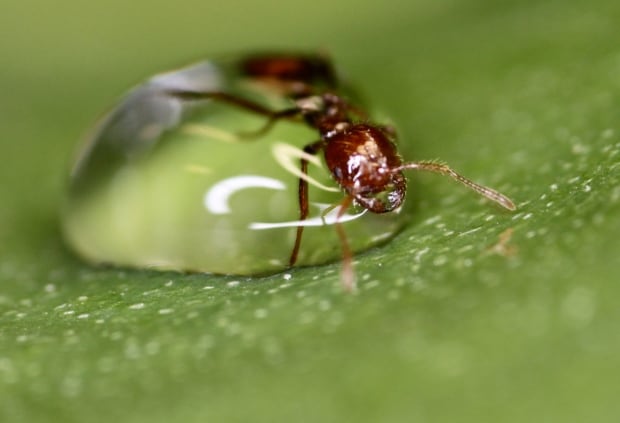
Fire ants are the polar opposite of fairy ants in terms of visibility and impact. Known for their fiery sting and aggressive behavior, these ants are often seen as pests. However, their true nature is far more complex and fascinating. Fire ants are social insects with a highly organized caste system, where each member plays a crucial role in the survival of the colony. Their most striking feature is their ability to form living rafts during floods, a behavior that has earned them both awe and notoriety.
The metaphor of fire ants as “living embers” captures their duality—both destructive and resilient. Their sting is a defense mechanism, a spark that wards off threats, much like the flames that both warm and consume. Yet, their rafts are a testament to their unity and adaptability. When floodwaters rise, fire ants link their bodies together, forming a buoyant structure that floats until the waters recede. This behavior highlights their collective strength and the power of community in overcoming adversity. Fire ants remind us that even in chaos, there is order, and even in destruction, there is renewal.
The Intriguing Metaphor: Strength in Diversity
The juxtaposition of fairy ants and fire ants offers a powerful metaphor for the strength found in diversity. Fairy ants, with their delicate structures and quiet efficiency, represent the understated yet indispensable contributions in any system. Fire ants, with their boldness and collective might, symbolize the transformative power of unity. Together, they illustrate a fundamental truth: greatness is not the domain of a single archetype but the result of complementary forces working in harmony.
In human terms, this metaphor can be applied to teams, communities, and even personal growth. Just as fairy ants and fire ants rely on different strengths to thrive, so too do we benefit from embracing a spectrum of talents and personalities. The fairy ant’s precision and the fire ant’s resilience are both necessary for a balanced ecosystem—just as collaboration and individuality are essential for progress. This duality challenges us to rethink our biases and appreciate the unique roles each entity plays in the grand tapestry of life.
Cultural and Symbolic Significance
Throughout history, ants have been symbols of diligence, perseverance, and social harmony. Fairy ants, with their subtle presence, often embody the idea of quiet strength—those who work behind the scenes yet are vital to the functioning of a community. In contrast, fire ants have been both feared and revered, representing the duality of nature’s power. Their ability to survive and adapt in harsh conditions has made them a symbol of resilience and tenacity.
In folklore and art, fire ants are sometimes depicted as guardians or warriors, their fiery sting a metaphor for protection and justice. Fairy ants, on the other hand, are often associated with delicacy and grace, their tiny forms evoking a sense of wonder at the intricacies of nature. These symbolic interpretations add layers of meaning to our understanding of these insects, transforming them from mere pests or curiosities into powerful emblems of natural philosophy.
The Unique Appeal: Why These Ants Captivate Us
What makes fairy ants and fire ants so captivating is their ability to challenge our perceptions. Fairy ants, despite their size, are architects of intricate worlds, proving that greatness isn’t confined to the large or the loud. Fire ants, with their fiery sting and collective resilience, remind us that even the most feared creatures have lessons to teach. Their unique appeal lies in their paradoxical nature—they are both ordinary and extraordinary, fragile and formidable.
This duality resonates with humans because it mirrors our own complexities. We, too, are capable of both quiet strength and bold action, of delicate precision and fiery passion. By studying these ants, we gain insight into our own potential and the diverse ways in which we can contribute to the world around us. Their stories are not just about survival; they are about thriving, adapting, and finding beauty in the unexpected.
Conclusion: Lessons from the Tiny Titans
Fairy ants and fire ants may be small in stature, but their impact is anything but. Through their behaviors, we learn that strength comes in many forms—sometimes in the quiet persistence of a tiny architect, and other times in the collective might of a living raft. Their metaphors remind us of the power of diversity, the importance of unity, and the beauty of adaptability.
Next time you encounter an ant, whether it’s the delicate fairy ant or the bold fire ant, take a moment to reflect on the lessons they offer. In their tiny worlds, they hold mirrors to our own, challenging us to see the extraordinary in the ordinary and to embrace the full spectrum of our capabilities. Nature’s smallest creatures are, in many ways, its greatest teachers.
FAQ
What are fairy ants?
Fairy ants are among the smallest ants, known for building intricate nests within plant stems or bark, symbolizing adaptability and resourcefulness.
What is unique about fire ants?
Fire ants are known for their painful sting and their ability to form living rafts during floods, demonstrating collective strength and resilience.
How do fairy ants and fire ants differ in symbolism?
Fairy ants symbolize quiet diligence and precision, while fire ants represent boldness, defense, and community resilience.
Why are ants significant in cultural symbolism?
Ants represent diligence, perseverance, and social harmony, with different species embodying varied aspects like quiet strength or fiery protection.
Leave a Reply