Short Answer
In this comprehensive guide, you’ll explore the profound meaning behind the Eight of Swords in tarot, particularly when it comes to feelings of being trapped. Whether you’re a tarot enthusiast, a seeker of self-awareness, or someone navigating emotional challenges, this article will help you understand the nuances of this card. You’ll learn about its symbolism, interpretations in different contexts, practical advice for overcoming mental barriers, and more. By the end, you’ll have a clearer perspective on how to break free from self-imposed limitations and reclaim your sense of freedom.
The Eight of Swords: Core Symbolism and Meaning
The Eight of Swords is one of the most visually striking cards in the tarot deck, often depicting a figure blindfolded and bound, surrounded by eight upright swords forming a barrier. This imagery is rich with symbolism that speaks to feelings of restriction, self-doubt, and mental imprisonment. The blindfold represents a lack of clarity or awareness, while the swords symbolize limiting beliefs, fears, or external pressures that create a sense of confinement.
At its core, the Eight of Swords reflects a state of mind where you feel trapped by your own thoughts or circumstances. It’s not necessarily about external chains but rather the internal barriers you’ve constructed—whether through fear, past experiences, or negative self-talk. The card serves as a reminder that these limitations are often illusions, and the key to freedom lies in shifting your perspective.
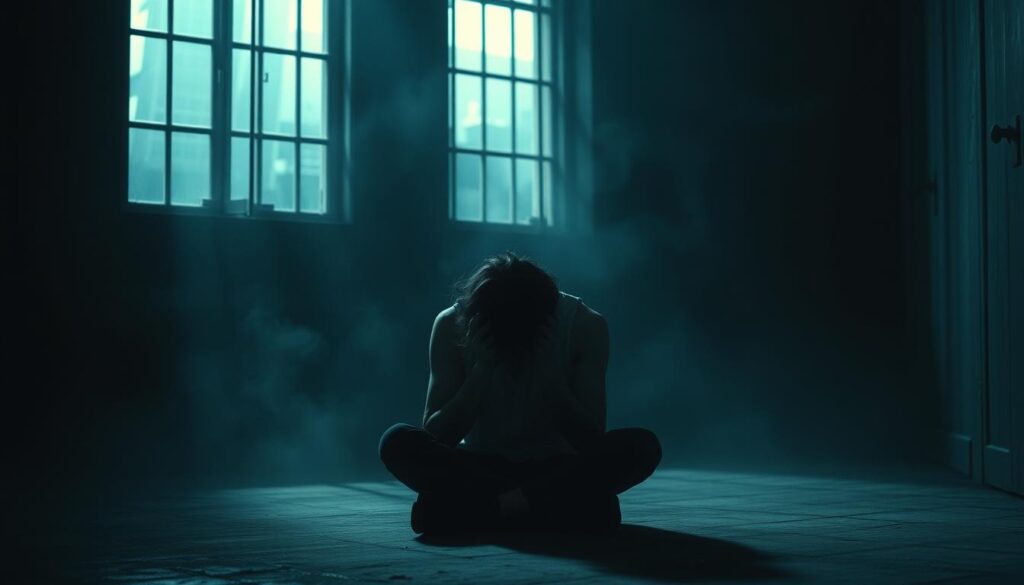
Feeling Trapped: Emotional and Psychological Interpretations
When the Eight of Swords appears in a reading focused on feelings, it often indicates a deep sense of being stuck in an emotional or mental prison. This could manifest as anxiety, depression, or a pervasive feeling of helplessness. The card suggests that you may be overanalyzing situations, replaying past mistakes, or focusing on worst-case scenarios, which only amplifies the sense of confinement.
Psychologically, the Eight of Swords can represent cognitive distortions—irrational thoughts that distort reality. For example, you might believe you’re incapable of change or that your circumstances are permanent, even when evidence suggests otherwise. This mental loop reinforces the feeling of being trapped, making it difficult to see alternative paths forward.

Breaking Free: Practical Steps to Overcome the Eight of Swords
Feeling trapped is a common human experience, but the Eight of Swords offers a path to liberation. The first step is recognizing that your perceived limitations are often self-created. Start by questioning the narratives you’ve been telling yourself. Ask: “Is this really true?” or “What evidence do I have that this is permanent?” This process of inquiry can help dismantle the mental barriers holding you back.
Another powerful approach is to shift your focus from what you can’t do to what you can. The Eight of Swords thrives in a mindset of scarcity, so counter it by listing your strengths, resources, and small victories. Even tiny steps—like reaching out to a friend or trying a new hobby—can break the cycle of stagnation. Additionally, mindfulness practices, such as meditation or journaling, can help you observe your thoughts without being consumed by them, reducing the intensity of the mental prison.

The Eight of Swords in Different Contexts: Love, Career, and Personal Growth
In matters of the heart, the Eight of Swords may indicate feeling trapped in a relationship—whether due to fear of change, codependency, or unresolved conflicts. It could also suggest that you’re overanalyzing your partner’s actions or your own worth, leading to unnecessary stress. To break free, focus on open communication and setting boundaries that align with your needs.
In a career context, this card might reflect feeling stuck in a job that no longer fulfills you or believing you lack the skills to pursue a new path. The Eight of Swords encourages you to challenge these assumptions. Consider what small changes you can make to regain a sense of agency, such as updating your resume, networking, or exploring new opportunities.
For personal growth, the Eight of Swords highlights the importance of self-compassion. Instead of berating yourself for feeling trapped, acknowledge that it’s a natural part of the human experience. Use this awareness as a catalyst for growth—perhaps by learning a new skill, traveling, or simply giving yourself permission to rest without guilt.
Common Misconceptions About the Eight of Swords
One of the biggest misconceptions about the Eight of Swords is that it represents an inescapable fate. In reality, the card is a call to action—it’s about recognizing the illusion of confinement and taking steps to dissolve it. Another myth is that the Eight of Swords only applies to extreme situations. In truth, it can appear in everyday scenarios, like procrastination or indecision, where you feel paralyzed by fear or perfectionism.
It’s also important to note that the Eight of Swords isn’t always negative. Sometimes, it serves as a wake-up call, urging you to pause and reassess your situation before moving forward. The discomfort it brings can be a catalyst for meaningful change if you’re willing to confront it.
Conclusion
The Eight of Swords is a powerful tarot card that speaks to the universal experience of feeling trapped—whether by circumstances, fears, or limiting beliefs. While it can be unsettling to confront these feelings, it’s also an opportunity to reclaim your agency and rewrite your narrative. By recognizing the illusions that bind you, questioning your assumptions, and taking intentional steps toward freedom, you can transform the Eight of Swords from a symbol of confinement into a catalyst for growth.
Remember, the swords around you are not as solid as they appear. The moment you shift your perspective, the barriers begin to crumble. Freedom isn’t about waiting for the perfect conditions; it’s about realizing you’ve held the key all along.
FAQ
What does the Eight of Swords mean?
The Eight of Swords represents feelings of being trapped by self-imposed limitations, often reflecting internal barriers like fear and self-doubt.
How can I overcome the feelings associated with the Eight of Swords?
Recognize your perceived limitations, question negative narratives, and take small steps towards change to regain a sense of agency.
Leave a Reply