Short Answer
Embark on a journey into the enchanting world of golden tarot cards, where beauty intertwines with symbolism and hidden messages await discovery. This guide explores the captivating allure of these mystical tools, revealing the deeper reasons behind their enduring fascination. From the radiant artistry of their designs to the profound meanings embedded within each card, you’ll uncover the secrets that make golden tarot a timeless source of inspiration and insight. Whether you’re a seasoned practitioner or a curious newcomer, this exploration will illuminate the beauty and mystery that define these sacred symbols.
The Allure of Golden Tarot: Why These Cards Captivate Hearts and Minds
Golden tarot cards possess an undeniable magnetism, drawing in both collectors and spiritual seekers alike. Their shimmering metallic hues and intricate designs evoke a sense of opulence and reverence, elevating them beyond mere divination tools. The use of gold—often associated with divinity, wisdom, and enlightenment—imbues these cards with an aura of sacredness. This visual splendor is not merely aesthetic; it serves as a bridge between the material and the spiritual, making the intangible feel tangible. The fascination with golden tarot also stems from their ability to blend tradition with modernity. While tarot has roots in ancient mysticism, the incorporation of gold reflects contemporary tastes for luxury and exclusivity. This fusion creates a unique appeal, attracting those who seek both spiritual depth and visual sophistication in their tools of introspection.
Symbolism in Golden Tarot: Decoding the Language of Light and Shadow
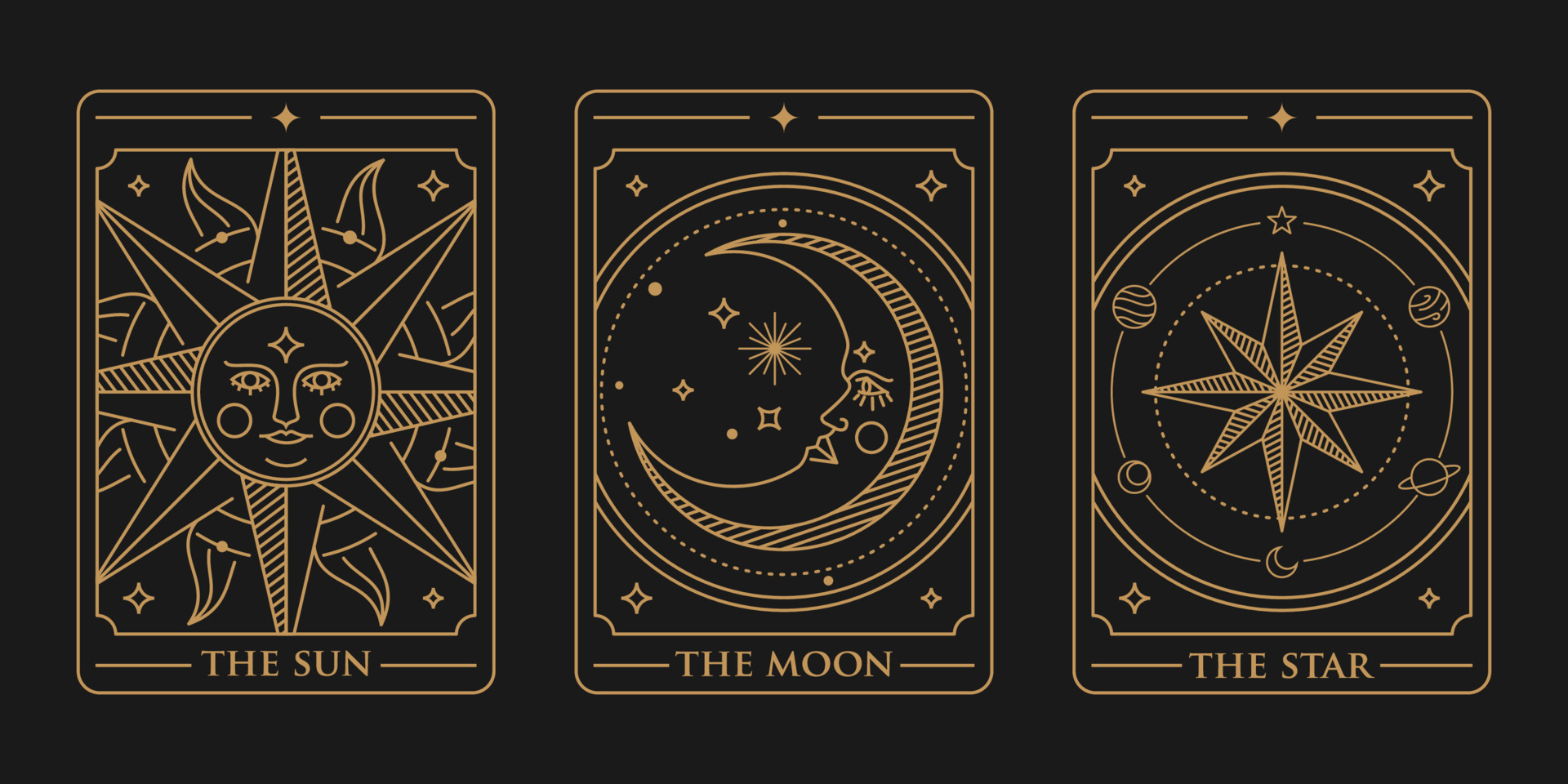
At the heart of golden tarot lies a rich tapestry of symbolism, where every element—from the choice of colors to the depicted imagery—carries profound meaning. Gold itself is a universal symbol of purity, enlightenment, and the divine spark within humanity. When applied to tarot, it often signifies higher consciousness, spiritual awakening, and the pursuit of truth. For instance, the High Priestess card, adorned with golden hues, represents intuition, mystery, and the subconscious mind. Her presence on a golden backdrop emphasizes the hidden knowledge that lies beneath the surface of everyday reality. Similarly, cards like The Sun and The Moon, often rendered in gold, highlight dualities—clarity versus illusion, joy versus introspection. The interplay of light and shadow in these designs mirrors the human experience, inviting users to explore the balance between opposing forces. By understanding these symbols, practitioners can unlock deeper layers of insight, using the cards as a mirror to their inner selves.

Hidden Messages in Tarot Art: The Subtle Art of Visual Storytelling
Beyond their overt symbolism, golden tarot cards often conceal subtle messages within their artwork, designed to evoke intuition and curiosity. These hidden elements serve as visual metaphors, encouraging users to look beyond the obvious and delve into the subconscious. For example, a card depicting The Star might feature golden constellations that, upon closer inspection, resemble ancient symbols or celestial patterns. These details are not random; they are carefully crafted to resonate with the viewer’s inner wisdom. The use of gold in these hidden messages also plays a psychological role. Gold is known to stimulate the mind, fostering creativity and deep thought. When integrated into tarot imagery, it can act as a catalyst for introspection, guiding the user toward revelations they might otherwise overlook. This layer of complexity transforms tarot readings from simple predictions into profound journeys of self-discovery.
The Role of Beauty in Spiritual Practice: Why Aesthetics Matter in Divination
Beauty is not merely a superficial aspect of golden tarot; it is an integral part of the spiritual experience. The aesthetic appeal of these cards enhances their effectiveness as tools for divination by creating a sacred space for reflection. When a deck is visually stunning, it elevates the act of reading from a mundane task to a ritualistic practice. The golden hues, in particular, are believed to attract positive energy, fostering a sense of harmony and balance. This connection between beauty and spirituality is rooted in ancient traditions, where art and ritual were inseparable. In many cultures, gold was reserved for divine representations, symbolizing the highest aspirations of humanity. By incorporating gold into tarot, practitioners tap into this tradition, infusing their readings with a sense of reverence and purpose. The beauty of the cards also serves a practical function: it captures attention and sustains focus, making it easier to enter a meditative state essential for accurate interpretations.
Golden Tarot in Modern Culture: From Mysticism to Mainstream Appeal
While tarot has long been associated with esoteric traditions, golden tarot cards have successfully bridged the gap between mysticism and modern culture. Their popularity in contemporary media, fashion, and art reflects a growing fascination with spirituality that is both accessible and stylish. Designers and artists often draw inspiration from tarot’s symbolic language, reimagining it through a modern lens. This fusion of old and new has led to the creation of decks that appeal to a wide audience, from traditionalists to those who view tarot as a form of artistic expression. The golden aesthetic, in particular, has found its way into branding and logo design, where hidden symbols and luxurious visuals convey messages of exclusivity and wisdom. This crossover into mainstream culture underscores the timeless relevance of tarot’s symbolism, proving that its allure transcends time and trends.
How to Use Golden Tarot for Personal Growth and Insight
Incorporating golden tarot into your personal practice can be a transformative experience, offering clarity and guidance on life’s journey. Begin by selecting a deck that resonates with you, paying attention to the artwork and the energy it emits. Before a reading, take a moment to center yourself, perhaps by meditating or setting an intention. The golden cards can amplify your focus, so use this to your advantage by asking specific questions or seeking insights into particular areas of your life. During the reading, pay attention to the symbols and colors that stand out to you, as these often hold personal significance. The gold accents can act as signposts, guiding you toward the messages you need to hear. Whether you’re using tarot for self-reflection, decision-making, or spiritual growth, the beauty and symbolism of golden tarot will enhance your experience, making each reading a journey of discovery.
Conclusion
Golden tarot cards are more than just tools for divination; they are gateways to deeper understanding, beauty, and hidden wisdom. Their shimmering gold hues and intricate designs serve as a reminder of the sacredness within us all, inviting us to explore the mysteries of our inner world. From the symbolic language embedded in each card to the psychological impact of their aesthetic appeal, golden tarot offers a unique blend of artistry and spirituality. Whether you’re drawn to their visual splendor or their profound messages, these cards have the power to transform your spiritual practice and illuminate your path. Embrace the magic of golden tarot, and let its light guide you toward greater insight and self-discovery.
FAQ
What are golden tarot cards?
Golden tarot cards are tarot decks featuring gold accents and designs that enhance their aesthetic appeal and spiritual significance.
How can I use golden tarot for personal growth?
You can use golden tarot by selecting a resonant deck, centering yourself before readings, and focusing on symbols and colors that stand out to you.

Leave a Reply