Short Answer
In this guide, you will explore the rich intersection of Greek mythology and tarot, uncovering how ancient deities and archetypes shape our understanding of fate, destiny, and personal growth. You’ll learn how tarot cards draw from mythological themes to offer profound insights into life’s journey, and why these symbols continue to captivate modern seekers. Whether you’re a tarot enthusiast, mythology lover, or simply curious about the deeper meanings behind these tools, this guide will illuminate the connections between gods, cards, and the human experience.
The Role of Greek Gods in Tarot Symbolism
Greek mythology is a treasure trove of archetypes that resonate deeply with tarot symbolism. The gods and goddesses of Olympus embody universal human experiences—love, power, wisdom, and transformation—making them perfect mirrors for the Major Arcana’s journey through life’s stages. For example, The Emperor card often aligns with Zeus, the king of the gods, representing authority, structure, and leadership. Similarly, The High Priestess may evoke Hestia, goddess of the hearth and inner wisdom, symbolizing intuition and hidden knowledge. By studying these parallels, you gain a richer understanding of tarot’s narrative power.
The fascination with these connections isn’t accidental. Greek myths explore timeless themes like hubris, fate, and redemption, which mirror the tarot’s exploration of personal and collective struggles. When a tarot spread reveals The Tower, it echoes the myth of Prometheus, whose defiance of the gods led to his downfall—a reminder of the consequences of ignoring natural order. These stories endure because they reflect the human condition, and tarot serves as a modern lens to interpret their lessons.
Destiny and Fate: The Threads of the Fates
The Moirai, or Fates, are central to Greek mythology’s portrayal of destiny. Clotho spins the thread of life, Lachesis measures it, and Atropos cuts it—symbolizing birth, the journey, and death. In tarot, The Wheel of Fortune embodies this cyclical nature, suggesting that fate is not fixed but shaped by our choices and the universe’s rhythms. A reading involving this card might reveal how external forces influence your path, much like the Fates’ unseen hands guiding mortal lives.
Yet, Greek mythology also introduces the concept of *moira*, or personal destiny, which can be altered through free will. This duality is mirrored in tarot by cards like The Chariot, where determination and willpower steer fate toward a desired outcome. The interplay between predestination and personal agency is a recurring theme, encouraging you to reflect on how much control you truly have over your destiny—and when to surrender to the flow of life.
Major Arcana: Gods as Archetypal Guides
The Major Arcana’s 22 cards can be mapped to Greek deities, each offering a unique lens on life’s challenges and triumphs. Below are key associations:
- The Fool (0) – Hermes, the trickster god, symbolizing new beginnings and spontaneity.
- The Magician (I) – Hermes again, as the master of communication and transformation.
- The Empress (III) – Demeter, goddess of harvest and nurturing abundance.
- The Emperor (IV) – Zeus, embodying leadership and cosmic order.
- The Hierophant (V) – Hades, ruler of the underworld, representing hidden wisdom and tradition.
- The Lovers (VI) – Aphrodite and Eros, illustrating love, choice, and harmony.
- Strength (XI) – Heracles, whose trials teach mastery over primal instincts.
- Death (XIII) – Hades, not as a harbinger of doom but as a force of necessary transformation.
- The Star (XVII) – Astraea, goddess of justice and hope, guiding lost souls.
- The Sun (XIX) – Apollo, the radiant god of truth and illumination.
These associations deepen your tarot practice by grounding abstract symbols in relatable mythological narratives. For instance, drawing The Hermit might prompt you to channel the wisdom of Athena, goddess of strategic thought, encouraging introspection and problem-solving. The more you familiarize yourself with these connections, the more nuanced your interpretations become.
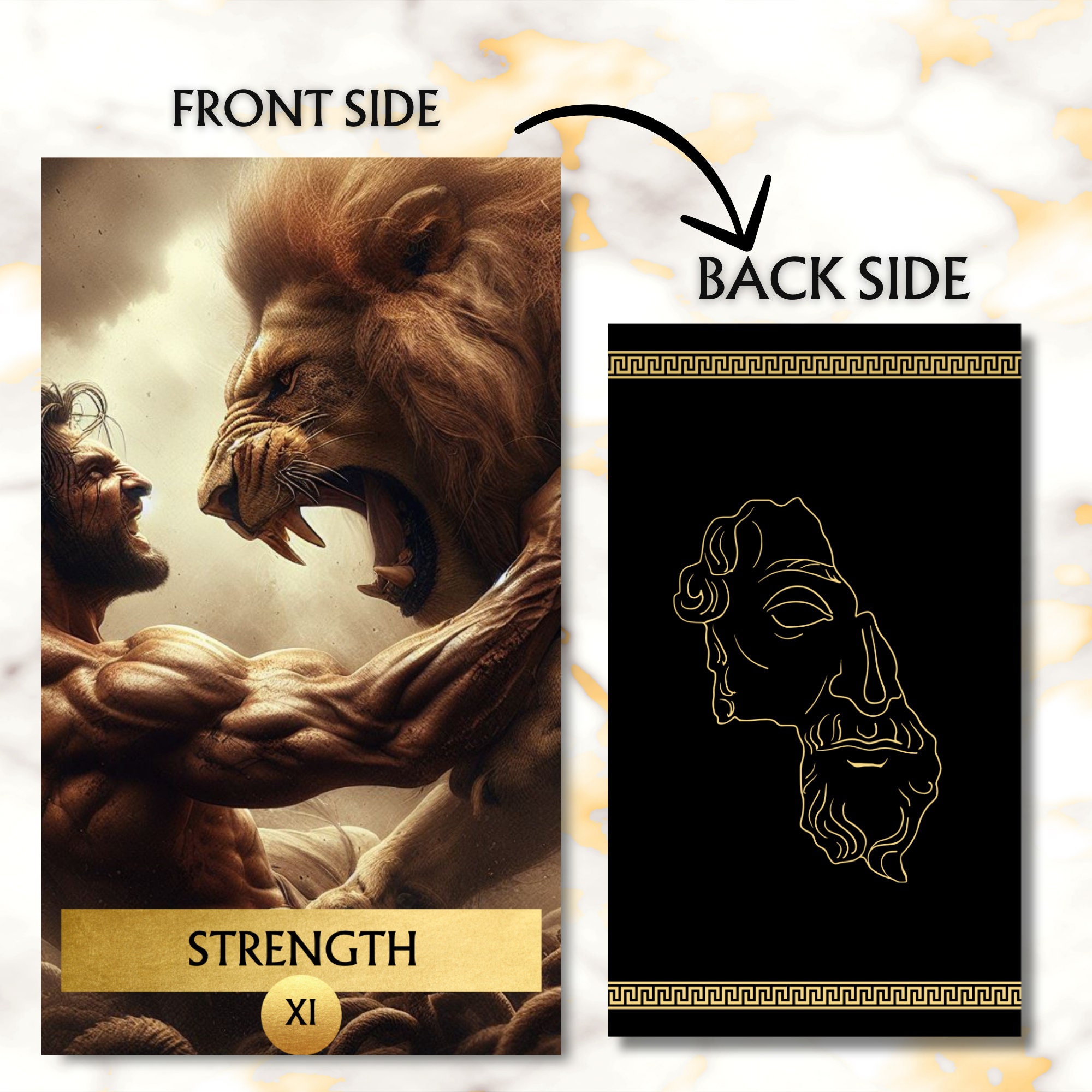
This deck, for example, reimagines traditional tarot imagery through the lens of Greek gods, blending ancient artistry with modern divination. Such tools can enhance your practice by making the cards feel more personal and culturally resonant.
Tarot Spreads for Exploring Fate and Free Will
To apply these concepts, try a spread designed to explore destiny and choice. A simple three-card layout could represent:
- Past Influences – A card reflecting the forces that shaped your current path (e.g., The Chariot for determination).
- Present Challenges – A card highlighting obstacles or lessons (e.g., The Hanged Man for surrender).
- Future Potential – A card suggesting where your choices may lead (e.g., The Star for hope).
Alternatively, a seven-card spread could delve deeper into mythological themes, such as:
- Your “personal Zeus” (strengths and leadership).
- The “Hera in your life” (relationships or conflicts).
- The “Persephone phase” you’re experiencing (transitions or hidden growth).
These spreads encourage you to view your life as a hero’s journey, with tarot as your guide through the labyrinth of fate.
Why Greek Mythology Resonates in Modern Tarot
The enduring appeal of Greek myths in tarot lies in their psychological depth and universality. Carl Jung’s concept of archetypes—universal symbols embedded in the human psyche—finds a perfect match in these stories. Tarot, as a tool for self-reflection, taps into the same collective unconscious, making Greek gods and goddesses feel eerily familiar. When you draw The Devil, you’re not just seeing bondage; you’re confronting the myth of Sisyphus, doomed to repeat his mistakes until he accepts his fate.
Moreover, the gods’ flaws—Zeus’s infidelity, Ares’s impulsiveness, Athena’s strategic ruthlessness—make them relatable. They mirror human imperfections, reminding us that growth often comes from embracing our contradictions. This relatability is why modern tarot decks frequently incorporate mythological themes, offering a bridge between ancient wisdom and contemporary spirituality.
Conclusion
Greek mythology and tarot are two sides of the same coin, each offering a map to navigate life’s mysteries. By understanding the gods as archetypes and fate as a dynamic force, you unlock deeper layers of meaning in your readings. Whether you’re drawn to the strategic wisdom of Athena, the transformative trials of Heracles, or the cyclical nature of the Fates, these symbols provide a framework for self-discovery and empowerment.
As you continue your journey with tarot, let the myths guide you. Ask yourself: Which god or goddess embodies the energy of your current situation? How can you harness their strengths or learn from their struggles? The answers may surprise you, revealing that the threads of fate are not fixed—but woven by your own hands.
FAQ
How does Greek mythology relate to tarot?
Greek mythology provides archetypes and themes that enhance the understanding of tarot symbols, connecting ancient stories to modern interpretations.
What are the Fates in Greek mythology?
The Fates, or Moirai, are three sisters who control human destiny, symbolizing the threads of life in both mythology and tarot.
Which Greek gods correspond to tarot cards?
Several Greek gods align with tarot cards, such as Zeus with The Emperor and Aphrodite with The Lovers, enriching the interpretation of the cards.
Leave a Reply