Short Answer
Dive into the enigmatic world of tarot as we uncover the hidden meanings behind the cards that even seasoned readers often overlook. This guide will reveal the subtle layers of symbolism, the psychological undercurrents, and the cultural nuances that make tarot a timeless tool for introspection and guidance. Whether you’re a beginner or a seasoned practitioner, you’ll discover why these cards continue to captivate minds and hearts across centuries.
The Illusion of Simplicity: Why Tarot Cards Are Deeper Than They Appear
At first glance, tarot cards seem straightforward—each card depicts a scene or figure with a clear title. However, the true depth lies in the details often ignored. The colors, the positioning of figures, and even the absence of elements carry profound significance. For example, the Ace of Wands is not just about inspiration or new beginnings; the wand’s flame can symbolize the fleeting nature of inspiration, while its placement on a barren landscape may hint at untapped potential waiting to be nurtured. These nuances transform a simple card into a mirror of the human experience.
Many readers focus solely on the Rider-Waite-Smith imagery, but tarot decks vary widely. A card like the Hermit in a modern deck might show a lone figure with a smartphone instead of a lantern, reflecting how solitude and introspection manifest in today’s digital age. The key is to look beyond the surface and ask: What is this card trying to tell me that isn’t immediately obvious?

The Ace of Wands, for instance, is often interpreted as a sign of creative energy or passion. Yet, the barren landscape beneath the wand suggests that this energy must be cultivated—it won’t flourish on its own. This duality is a recurring theme in tarot: the promise of potential is always paired with the responsibility to nurture it.
The Power of Absence: What’s Missing from the Card Matters
One of the most overlooked aspects of tarot is what isn’t shown. The absence of certain elements can be just as telling as their presence. For example, in the Three of Cups, the celebration of three women dancing together is iconic, but the absence of men or children in the scene might reflect a focus on female camaraderie or the joy of sisterhood. Similarly, the Tower card’s destruction is dramatic, but the absence of people in the rubble (in some decks) can symbolize the impersonal nature of upheaval—life’s challenges often strike without warning, regardless of who we are.
Consider the Death card, which is frequently misunderstood due to its ominous name. The absence of a body in the Rider-Waite-Smith version underscores the card’s true meaning: transformation rather than literal death. The skeleton knight represents the inevitability of change, while the rising sun in the background hints at rebirth. By focusing on what’s missing, you unlock a card’s deeper message.

Another example is the High Priestess, who sits between two pillars—one black, one white. The absence of a clear path between them suggests intuition as the guide. The card doesn’t show a door or a road; instead, it implies that the answers lie within, waiting to be uncovered. This teaches us that tarot is not about external validation but about trusting our inner wisdom.
The Language of Symbols: Decoding Colors, Numbers, and Archetypes
Tarot is a visual language, and every symbol—from colors to numbers—carries meaning. The color red, for instance, often represents passion, anger, or vitality, while blue can signify calm, intuition, or melancholy. In the Five of Pentacles, the stark white background contrasts with the two figures in need, emphasizing isolation and hardship. The absence of color in the background makes their struggle feel more pronounced, drawing attention to their emotional state.
Numbers in tarot also hold significance. The number 12, associated with the Hanged Man, often represents sacrifice or a new perspective. The card’s inverted figure isn’t just a visual quirk—it’s a reminder that sometimes, seeing the world differently requires letting go of old ways. Similarly, the number 3 in the Three of Cups isn’t just about celebration; it’s about community and shared joy, a reminder that happiness is often found in connection.
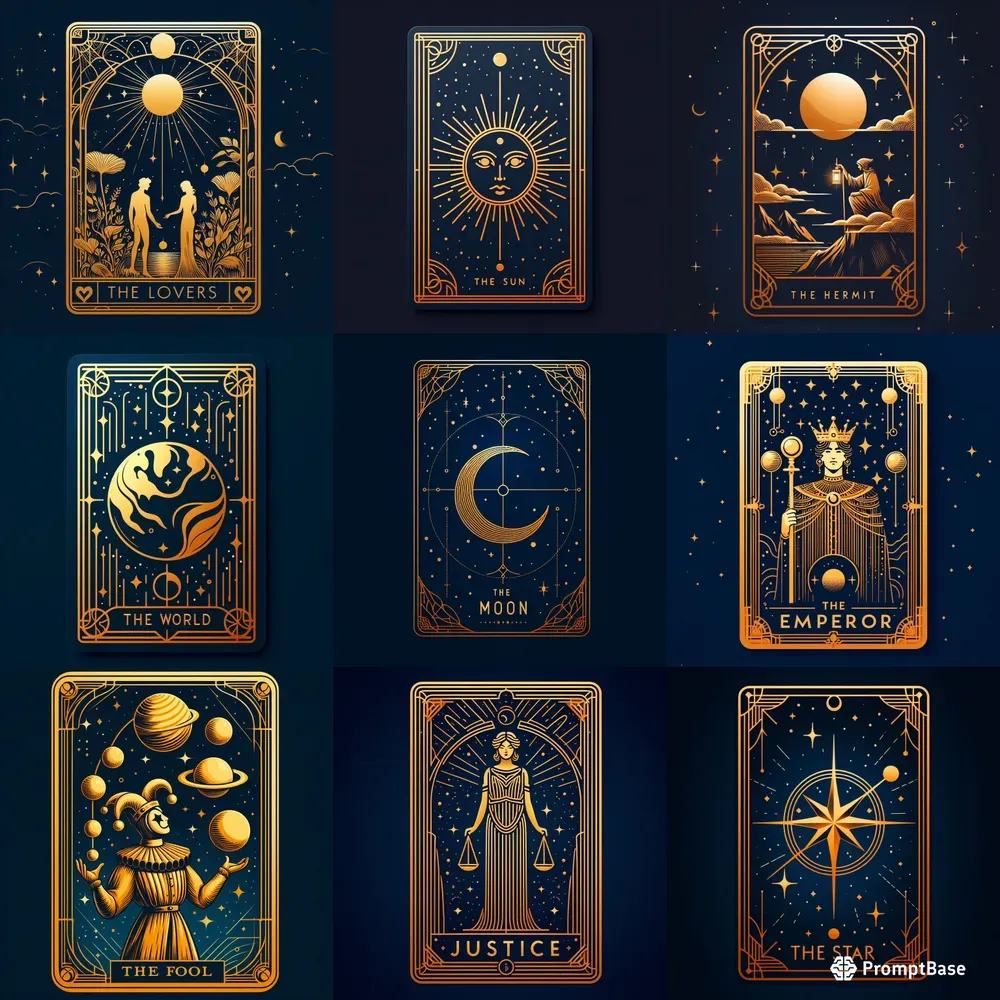
Archetypes, too, play a crucial role. The Fool’s journey isn’t just about naivety; it’s about the courage to leap into the unknown. The Empress isn’t merely a nurturing figure—she embodies fertility, abundance, and the unapologetic embrace of sensuality. By recognizing these archetypes, you can see how tarot reflects universal human experiences, from love to loss to transformation.
Cultural and Historical Layers: Why Tarot’s Meanings Evolve
Tarot’s origins in 15th-century Italy as a card game for nobility contrast sharply with its modern use as a divination tool. The Marseille Tarot, for example, features stark, symbolic imagery that differs greatly from the Rider-Waite-Smith deck’s detailed scenes. The High Priestess in the Marseille deck is a veiled figure with two pillars, while in Rider-Waite, she sits between them, holding a scroll. These variations reflect different cultural interpretations of femininity, mystery, and spiritual authority.
Even the names of the cards can shift meaning. The “Devil” card in many decks is often misinterpreted as pure evil, but historically, it represented materialism, bondage, or unhealthy attachments. The imagery of chains (which are loose in some decks) suggests that these chains can be broken with awareness. Understanding the historical context of tarot helps you see beyond modern misconceptions and appreciate the cards’ original intent.
In contemporary decks, artists often reinterpret traditional symbols to reflect modern issues. The Justice card in some decks now features scales balancing a smartphone and a book, symbolizing the struggle between digital distractions and intellectual pursuits. This evolution shows that tarot is not static—it adapts to the times, making it a relevant tool for every generation.

This adaptability is why tarot remains fascinating. It’s not just a tool for fortune-telling; it’s a lens through which we can examine societal changes, personal growth, and the human condition. Whether you’re pulling a card for guidance or studying its symbolism, tarot invites you to look deeper—to question, reflect, and ultimately, understand.
Conclusion
Tarot cards are far more than static images on paper; they are gateways to hidden truths, psychological insights, and cultural dialogues. By paying attention to what’s absent, decoding symbols, and understanding the historical and cultural layers of each card, you unlock a richer, more nuanced interpretation of the deck. The next time you pull a card, ask yourself: What isn’t being said here? What does this symbol really represent? The answers may surprise you and deepen your connection to the cards—and to yourself.
FAQ
What are the hidden meanings in tarot cards?
Hidden meanings in tarot cards often include symbolism related to colors, numbers, and cultural interpretations that may not be immediately obvious.
How do I interpret the absence of elements in tarot cards?
The absence of certain elements in tarot cards can reveal significant insights, emphasizing themes like solitude, transformation, or emotional states.
Leave a Reply