Short Answer
Welcome to your comprehensive guide on how to read tarot cards like a pro. Whether you’re a complete beginner or looking to refine your skills, this step-by-step tutorial will walk you through the essential techniques, interpretations, and deeper meanings behind each card. By the end, you’ll understand how to conduct meaningful readings, trust your intuition, and uncover the hidden messages in the cards. Let’s dive into the mystical world of tarot and unlock its secrets together.
Understanding the Basics: What Is Tarot and Why Does It Fascinate Us?
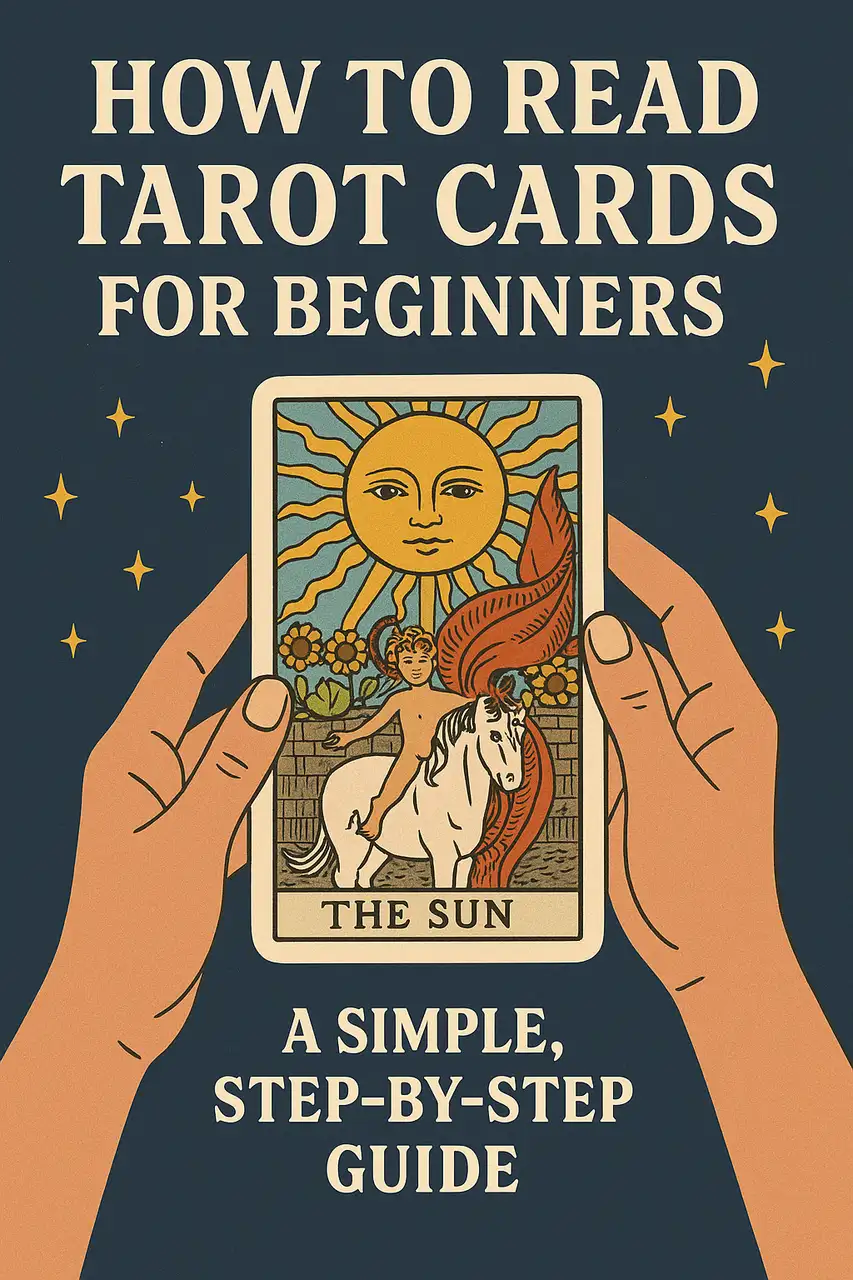
Tarot is more than just a deck of illustrated cards—it’s a mirror to the subconscious, a tool for self-reflection, and a bridge between the mundane and the mystical. The deck consists of 78 cards divided into two main groups: the Major Arcana (22 cards representing significant life themes) and the Minor Arcana (56 cards divided into four suits—Cups, Pentacles, Swords, and Wands—each reflecting everyday experiences).
The fascination with tarot stems from its ability to blend psychology, symbolism, and spirituality. Unlike other divination tools, tarot doesn’t predict the future with certainty; instead, it highlights patterns, challenges, and opportunities, encouraging introspection. Many people turn to tarot during times of uncertainty, seeking clarity or validation for their feelings and decisions. The cards act as a conversation starter with one’s inner self, making them a powerful tool for personal growth.

Choosing Your First Tarot Deck: A Personal Connection Matters
Not all tarot decks are created equal, and the right deck for you is one that resonates on a personal level. Beginners often start with the Rider-Waite-Smith (RWS) deck, thanks to its rich symbolism and widespread availability. However, don’t hesitate to explore other decks like the Marseille (simpler, more abstract) or themed decks (e.g., animals, fantasy, or cultural motifs).
When selecting a deck, pay attention to how the imagery makes you feel. Do the colors evoke calm or excitement? Do the symbols feel familiar or intriguing? Trust your gut—your connection to the deck will deepen over time, making readings more intuitive. Once you’ve chosen your deck, cleanse it energetically (with smoke, crystals, or moonlight) to remove any lingering energies from previous owners.
Mastering the Core Spreads: From Simple to Advanced
Tarot spreads are layouts that determine how cards are positioned to answer specific questions or explore themes. Start with these foundational spreads before moving to complex ones:
- Single-Card Pull: Ideal for daily reflections or quick insights. Draw one card to represent your current energy or the day ahead.
- Three-Card Spread (Past-Present-Future): A classic layout to understand the progression of a situation. The first card shows influences from the past, the second reflects the present, and the third hints at potential outcomes.
- Celtic Cross: A 10-card spread offering deep insight into challenges, influences, and subconscious motivations. While complex, it’s a favorite among professionals for its nuanced perspective.
Interpreting the Cards: Symbolism, Intuition, and Context
Each tarot card carries layers of meaning, from traditional interpretations to personal associations. For example:
- The Fool (Major Arcana): Represents new beginnings, spontaneity, and taking a leap of faith. Its imagery often shows a carefree figure stepping off a cliff, symbolizing trust in the unknown.
- Three of Cups (Minor Arcana): Depicts celebration, friendship, and joy. In a reading, it might suggest reconnecting with loved ones or embracing community.
- Five of Swords: A card of conflict or betrayal, but also a reminder to choose battles wisely. Its presence could signal the need to release resentment.
To interpret cards accurately, consider:
- Traditional Meanings: Study guidebooks or reputable online resources to grasp the card’s core themes.
- Card Position: A card’s meaning shifts based on its placement in a spread. For instance, the Death card in the “past” position may indicate transformation, while in the “future” position, it could suggest an ending.
- Intuition: Let your gut guide you. If a card feels significant, explore why. Your subconscious often picks up on nuances the guidebook misses.
Developing Your Intuition: Beyond the Guidebook
While guidebooks provide a foundation, the magic of tarot lies in your ability to interpret it uniquely. To sharpen your intuition:
- Journal Your Readings: Record each reading, noting the cards, your thoughts, and the outcome. Over time, patterns will emerge, revealing your intuitive strengths.
- Meditate with the Cards: Hold a card, close your eyes, and observe the images that come to mind. Ask yourself what emotions or memories it evokes.
- Practice Regularly: Pull a daily card and reflect on its message. The more you engage, the more attuned you’ll become to subtle energies.
Remember, there’s no “wrong” way to interpret tarot. Your personal experiences and emotions shape the cards’ messages, making each reading a dialogue between you and the universe.
Common Mistakes to Avoid as a Beginner
Even seasoned readers make missteps. Here’s how to sidestep pitfalls:
- Over-Reliance on Guidebooks: Don’t force a card to fit its traditional meaning. Let the imagery speak to you first.
- Fear of Upright vs. Reversed Cards: Reversals (cards turned upside down) aren’t inherently “bad.” They often highlight blocked energy or internal struggles. Trust your interpretation over rigid rules.
- Asking Vague Questions: Instead of “Will I get a job?” try “What do I need to focus on to improve my career prospects?” Specificity yields clearer insights.
- Ignoring Card Combinations: A single card’s meaning changes when paired with others. For example, the Lovers card next to the Tower might suggest a relationship tested by upheaval.
Advanced Techniques: Elevating Your Readings
Once you’re comfortable with basics, experiment with these advanced methods:
- Elemental Dignities: Analyze how the elements (fire, water, air, earth) interact in a spread. For example, fire (Wands) and water (Cups) may clash, indicating emotional vs. passionate tension.
- Astrological Correspondences: Many tarot decks link cards to astrological signs or planets. Understanding these connections adds depth to your interpretations.
- Storytelling Spreads: Create a narrative by weaving cards into a cohesive story. This is especially useful for complex spreads like the Celtic Cross.
- Shadow Work: Use tarot to explore subconscious fears or desires. Pull a card and ask, “What part of myself am I avoiding?”
Ethics and Responsibility in Tarot Readings
Tarot is a tool for empowerment, not a crutch for decision-making. Ethical readers:
- Avoid Fear-Mongering: Never use tarot to predict doom. Frame cards as guidance, not prophecies.
- Respect Free Will: The cards highlight possibilities, but you always have the power to choose your path.
- Protect Your Energy: If a reading feels draining, take a break. Ground yourself with meditation or nature.
- Be Honest: If you’re unsure about a card’s meaning, say so. It’s better to admit uncertainty than to mislead.
Conclusion: Your Journey with Tarot
Reading tarot is a lifelong adventure—one that blends study, intuition, and self-discovery. As you practice, you’ll develop a unique relationship with the cards, uncovering layers of meaning that go beyond guidebooks. Whether you use tarot for personal growth, creative inspiration, or spiritual exploration, remember that the cards are a reflection of your inner world. Trust yourself, stay curious, and let the magic unfold.
Now, shuffle your deck, pull a card, and begin your next chapter with the wisdom of the tarot.
FAQ
What is tarot?
Tarot is a deck of 78 cards used for divination and self-reflection, consisting of Major Arcana and Minor Arcana cards.
How do I choose my first tarot deck?
Select a deck that resonates with you personally, often starting with the Rider-Waite-Smith deck for beginners.
What are common mistakes beginners make in tarot reading?
Common mistakes include over-reliance on guidebooks, asking vague questions, and ignoring card combinations.
FAQ
What is tarot?
Tarot is a deck of 78 cards used for divination, self-reflection, and personal insight, consisting of the Major and Minor Arcana.
How do I choose a tarot deck?
Select a deck that resonates with you personally. Consider the imagery and symbolism that evoke emotions or familiarity.
What are common mistakes when reading tarot?
Common mistakes include over-reliance on guidebooks, asking vague questions, and ignoring card combinations.
Leave a Reply