Short Answer
Welcome to your comprehensive guide on inverted tarot meanings. Here, you’ll discover how turning tarot cards upside down isn’t a sign of failure or misfortune—instead, it offers a fresh lens through which to interpret your readings. You’ll learn the significance of reversed cards, how to shift your perspective, and ways to harness their energy for deeper insight and curiosity. By the end, you’ll see upside-down tarot as a powerful tool for transformation rather than a cause for concern.
Understanding Inverted Tarot Cards: Beyond the Surface
Tarot cards are often read upright, with each position and symbol carrying a specific meaning. However, when a card appears upside down, it doesn’t necessarily indicate negativity. Instead, it invites you to explore alternative interpretations and nuances that may not be immediately apparent in the upright position. This shift in perspective is what makes reversed tarot readings so intriguing.
Inverted cards often highlight internal struggles, blocked energy, or subconscious influences that aren’t as visible when the card is upright. For example, the upright Three of Cups might represent celebration and friendship, while its reversed counterpart could suggest overindulgence, gossip, or a need to reassess social dynamics. The key is to recognize that the reversed meaning isn’t inherently “bad”—it’s simply a different shade of the same energy.
The Power of Perspective: Why Upside Down Isn’t Bad
One of the most liberating aspects of tarot is its ability to adapt to your mindset. When a card is upside down, it challenges you to look deeper and consider aspects of the card’s energy that may have been overlooked. This perspective shift can reveal hidden truths, unresolved emotions, or areas where growth is needed.
For instance, the upright Five of Pentacles often signals financial struggle or isolation, but reversed, it might point to recovery, resilience, or a newfound sense of security. By reframing the card’s meaning, you open yourself up to a more nuanced understanding of your situation. This approach encourages curiosity and self-reflection, making your readings more insightful and personal.
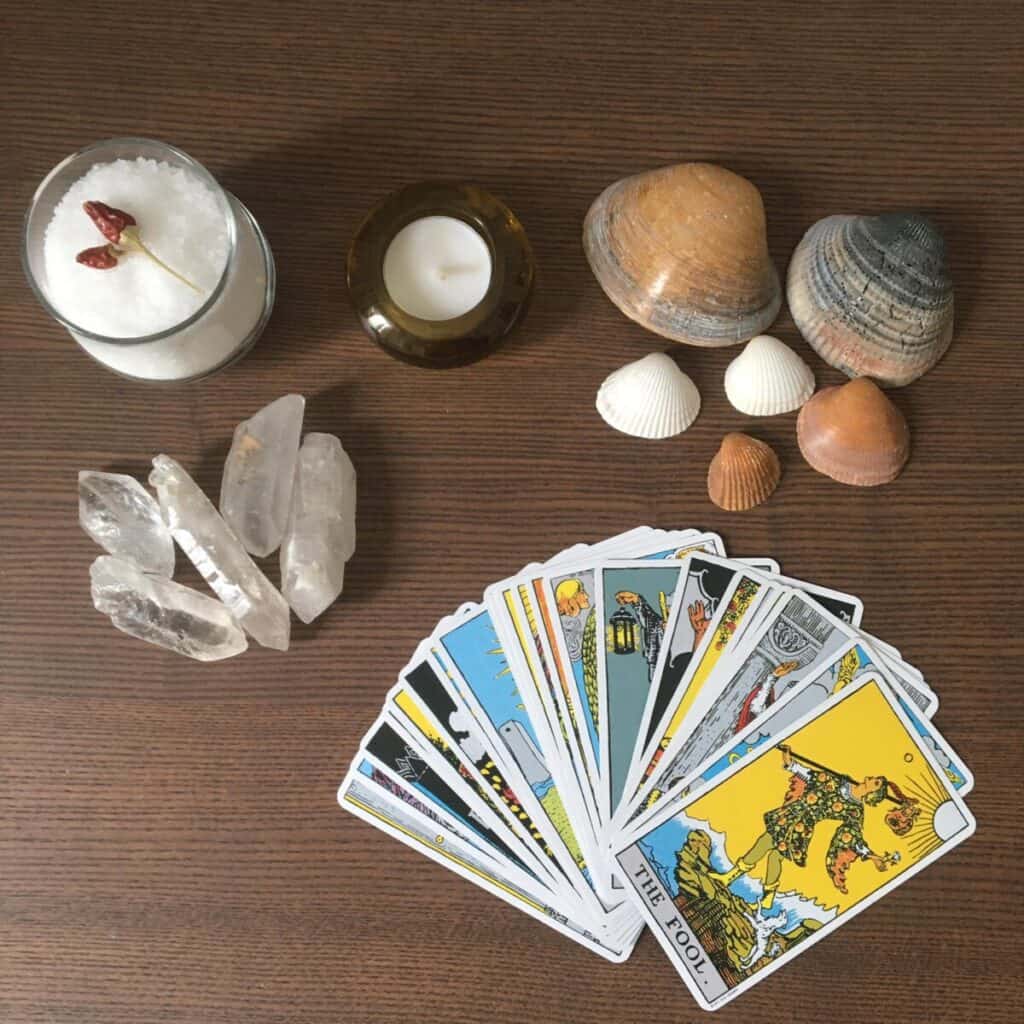
Common Misconceptions About Reversed Tarot Cards
Many tarot readers and enthusiasts mistakenly associate reversed cards with bad omens or negative outcomes. This belief stems from a rigid interpretation of tarot symbolism, where the upright position is seen as “correct” and the reversed as “incorrect.” However, this binary view limits the tarot’s potential as a tool for exploration and growth.
Reversed cards are not inherently negative; they simply offer a different layer of meaning. For example, the upright Seven of Swords might suggest strategy or cunning, while reversed, it could indicate deception, self-sabotage, or a need to reconsider your approach. The reversed card isn’t a warning—it’s an invitation to examine the situation from another angle.
Another common misconception is that reversed cards always indicate a “block” or “delay.” While this can be true in some cases, it’s not a universal rule. Reversed cards can also signify internal shifts, subconscious patterns, or the need for introspection. By letting go of the idea that reversed cards are “bad,” you free yourself to explore their deeper meanings without judgment.
How to Interpret Inverted Tarot Cards Effectively
Interpreting reversed tarot cards requires a flexible and open-minded approach. Start by considering the card’s upright meaning and then explore how its energy might manifest differently when inverted. Ask yourself questions like: What aspects of this card’s energy are being suppressed or ignored? How can this reversed meaning serve as a lesson or opportunity for growth?
For example, the upright Page of Wands represents inspiration and new ideas, while reversed, it might suggest a lack of direction or unfulfilled potential. Instead of seeing this as a negative, consider it a call to reignite your passion or explore new avenues. The reversed card can act as a catalyst for change, pushing you to take action or reassess your goals.
Another technique is to look at the card’s imagery and symbolism. Upside-down imagery often highlights elements that are less prominent in the upright position. For instance, the reversed Death card might emphasize endings over transformation, or the reversed Tower could focus on the aftermath of upheaval rather than the upheaval itself. By paying attention to these details, you can uncover layers of meaning that enrich your reading.
Using Inverted Tarot for Personal Growth and Manifestation
Inverted tarot cards can be powerful tools for personal growth and manifestation. When a card appears upside down, it often signals an area where you need to focus your energy or make a change. For example, the reversed Chariot might indicate a lack of control or direction in your life, prompting you to take charge of your decisions and set clear intentions.
To use reversed cards for manifestation, start by identifying the core message of the card. Then, ask yourself how you can align your actions with this energy. For instance, if the reversed Ten of Cups appears, it might suggest that you need to address family conflicts or unmet emotional needs. By acknowledging these areas, you can take steps to create harmony and fulfillment in your relationships.
Reversed cards can also highlight subconscious patterns or limiting beliefs that are holding you back. By bringing these to light, you can work on releasing them and creating space for positive change. For example, the reversed Hermit might indicate isolation or a need for self-reflection, encouraging you to take time for introspection and personal development.
Practical Tips for Reading Inverted Tarot Cards
If you’re new to reading reversed tarot cards, here are some practical tips to help you get started:
- Trust your intuition: Your first impression of a reversed card is often the most accurate. Don’t overcomplicate the interpretation—let your intuition guide you.
- Consider the card’s position: The position of the card in a spread can influence its meaning. For example, a reversed card in the “past” position might indicate a past event that still affects you, while a reversed card in the “future” position could suggest a potential challenge to overcome.
- Look for patterns: If multiple reversed cards appear in a reading, it might indicate a recurring theme or issue that needs your attention. Pay attention to the cards’ collective message.
- Use reversals intentionally: Some tarot readers choose to use reversed cards in their readings, while others prefer to focus solely on upright meanings. Experiment with both approaches to see what resonates with you.

Embracing the Mystery: Why Curiosity Matters in Tarot
Tarot is a tool for exploration, and reversed cards add an element of mystery and intrigue to your readings. Instead of viewing them as obstacles, embrace them as opportunities to delve deeper into your subconscious and uncover hidden truths. The more curious you are about their meanings, the more insightful your readings will become.
For example, the reversed Moon card might suggest confusion or illusion, but it can also indicate a need to trust your intuition and look beyond surface-level appearances. By approaching reversed cards with an open mind, you allow yourself to see the bigger picture and gain clarity in your readings.
Curiosity also helps you avoid rigid interpretations. Tarot is a fluid and dynamic practice, and reversed cards remind us that there’s always more than one way to interpret a situation. By staying curious, you remain open to new perspectives and deeper understanding.
Conclusion
Inverted tarot cards are not a sign of bad luck or failure—they’re an invitation to explore, reflect, and grow. By shifting your perspective and embracing the nuances of reversed meanings, you unlock a deeper layer of insight in your tarot readings. Whether you’re a seasoned reader or just beginning your tarot journey, remember that upside-down cards offer a unique opportunity to uncover hidden truths and harness their energy for transformation.
Next time a reversed card appears in your spread, take a moment to consider its alternative meaning. Ask yourself how it might be guiding you toward growth, self-awareness, or a shift in perspective. With an open mind and a curious heart, you’ll find that inverted tarot cards are not just a challenge—they’re a gateway to richer, more meaningful readings.
FAQ
What does it mean when a tarot card is inverted?
An inverted tarot card suggests alternative interpretations that may reflect internal struggles or hidden influences, rather than indicating negativity.
How can I interpret reversed tarot cards effectively?
To interpret reversed cards, consider the upright meaning and explore how it might manifest differently when inverted, asking questions about suppressed energies and potential growth.
Leave a Reply