Short Answer
This guide explores the concept of “Justice Keen” and its linguistic and thematic connections to keywords related to justice. You will learn how language shapes our understanding of justice, why certain terms resonate deeply with societal values, and how these ideas manifest in visual and textual representations. By the end, you’ll recognize the subtle yet powerful ways justice is framed in everyday discourse and media.
The Concept of Justice Keen: Defining the Term
“Justice Keen” is not a widely recognized legal or philosophical term, but it can be interpreted as a fusion of “justice” and “keen,” suggesting a sharp, discerning, or passionate pursuit of fairness. The term implies an active, almost zealous engagement with the principles of justice, whether in legal, social, or moral contexts. This idea aligns with the broader human fascination with justice as a fundamental value—one that is often idealized yet inconsistently realized in practice. The term “keen” adds a layer of intensity, implying that justice is not merely an abstract concept but something that demands vigilance and commitment.
Why Justice Captivates Human Imagination
Justice has long been a cornerstone of societal structures, influencing laws, ethics, and cultural narratives. One reason for its enduring fascination is its dual nature: justice is both a lofty ideal and a practical necessity. On one hand, it represents the moral compass that guides societies toward fairness and equality. On the other, it is a tool used to enforce order, often with varying degrees of success. This duality creates a tension that keeps justice at the forefront of human thought. People are drawn to stories of justice—whether in literature, film, or real-life cases—because they reflect our deepest hopes and fears about right and wrong.
Another key factor is the emotional charge associated with justice. Injustice, whether personal or systemic, evokes strong reactions, from outrage to despair. Conversely, the pursuit of justice can inspire hope and solidarity. This emotional resonance makes justice a compelling subject in art, media, and public discourse. The images and texts in the provided data—such as the highlighted word “justice” in yellow or the stock photo of a gavel—visually reinforce this emotional connection, making abstract concepts feel tangible and urgent.
Keywords Associated with Justice: A Linguistic Breakdown
Certain keywords consistently emerge in discussions about justice, each carrying its own connotations and implications. Below are some of the most common terms and their nuances:
Fairness
Fairness is often used interchangeably with justice, but it emphasizes equality in treatment and opportunity. While justice may involve punishment or retribution, fairness leans toward impartiality and balance. For example, a fair trial ensures that all parties have an equal chance to present their case, whereas justice might focus on delivering a verdict that aligns with moral or legal standards.
Equality
Equality is a foundational principle of justice, particularly in democratic societies. It suggests that all individuals should have the same rights, opportunities, and access to resources. However, equality can be interpreted in different ways—whether as equality before the law, economic equality, or social equality. The debate over what constitutes “true” equality often drives political and legal reforms.
Accountability
Accountability is the mechanism through which justice is enforced. It implies that individuals or institutions are responsible for their actions and must face consequences. This keyword is particularly prominent in discussions about corruption, corporate misconduct, or government overreach. The demand for accountability reflects a societal expectation that power should be checked by ethical and legal standards.
Righteousness
Righteousness carries a moral dimension, often tied to religious or ethical frameworks. It suggests that justice is not just a legal construct but a virtuous pursuit. This term is frequently used in contexts where justice is framed as a divine or inherently good cause, such as in civil rights movements or humanitarian efforts.
Visual Representations of Justice: Symbols and Their Meanings
Visual symbols play a crucial role in shaping public perceptions of justice. The provided data includes three distinct images, each representing a different facet of the concept:
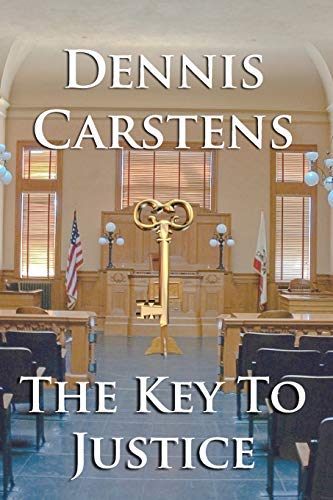
Figure 1: The book cover titled “The Key To Justice” suggests that justice is a subject of study and exploration. Books on justice often delve into legal theories, historical cases, or philosophical debates, reinforcing the idea that justice is a complex and multifaceted concept. The inclusion of a publication date (2012) also hints at the timelessness of these discussions.
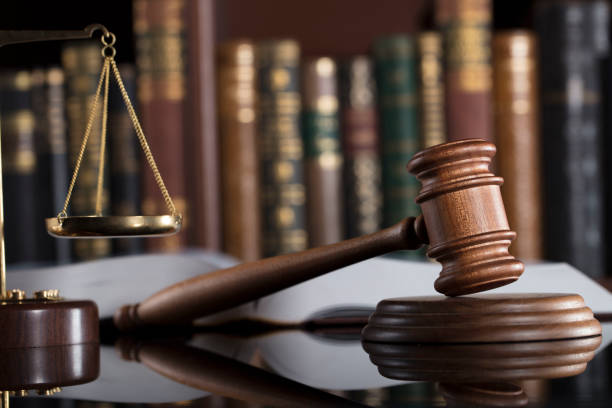
Figure 2: The stock photo of a gavel is one of the most recognizable symbols of justice in Western culture. It represents the authority of the legal system and the power to enforce laws. The gavel’s presence in media and courtrooms reinforces the idea that justice is often delivered through formal, structured processes. However, it also raises questions about the accessibility and fairness of these processes.
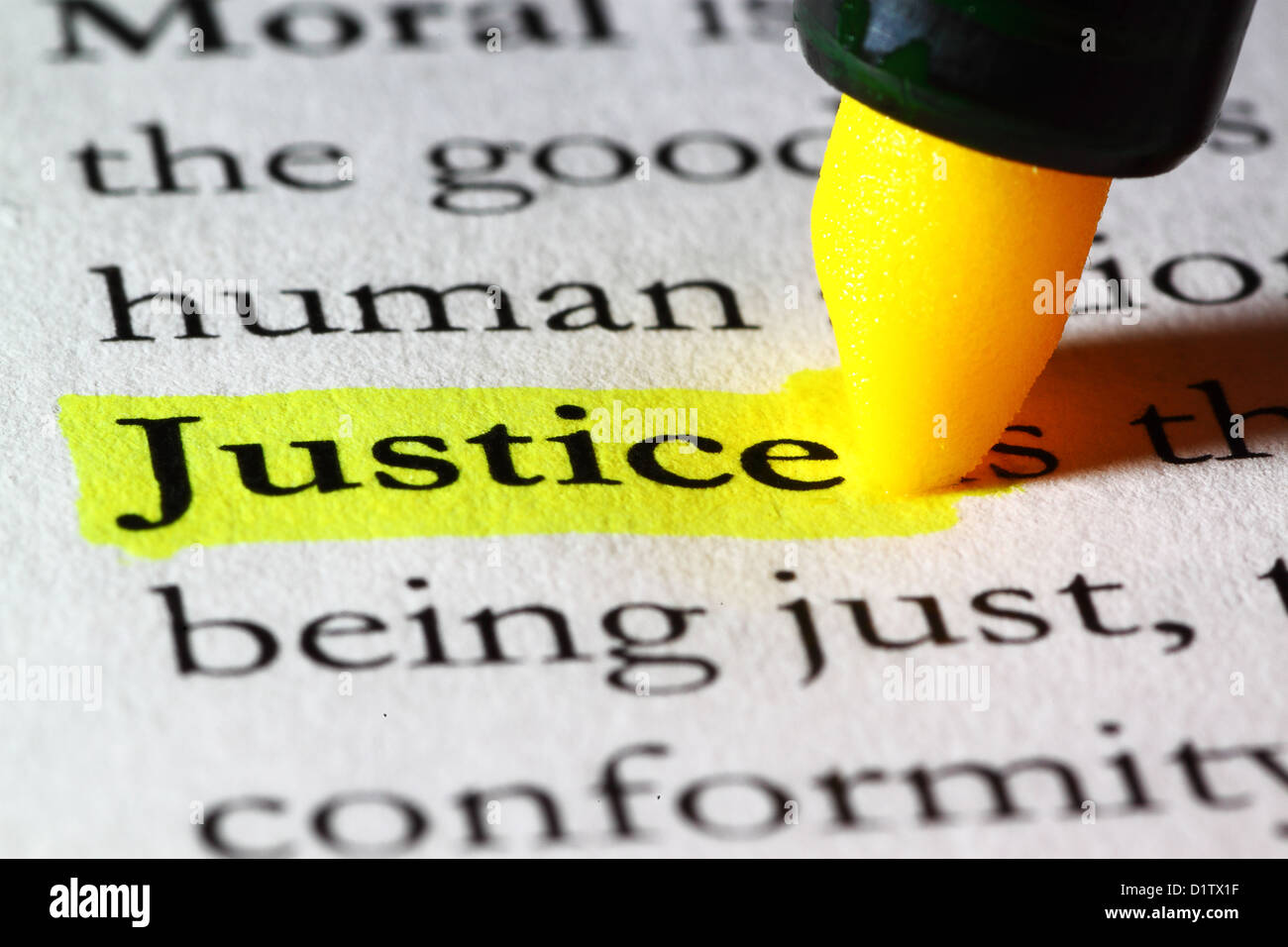
Figure 3: The image of the word “justice” highlighted in yellow underscores the importance of language in shaping our understanding of the concept. Highlighting a word draws attention to it, suggesting that justice is a term worth emphasizing and examining. This visual technique is commonly used in educational materials to highlight key concepts, reinforcing the idea that justice is a subject worthy of deep analysis.
The Role of Language in Shaping Perceptions of Justice
Language is a powerful tool for framing justice, as it can evoke emotions, justify actions, and influence public opinion. The words we use to describe justice—whether in legal documents, news reports, or everyday conversations—shape how we perceive its importance and application. For example, describing a legal decision as “fair” carries a different connotation than calling it “just,” even though the terms are often used interchangeably. Similarly, terms like “accountability” and “righteousness” carry moral weight that can sway public sentiment.
Media plays a significant role in this linguistic shaping. Headlines, captions, and even social media posts can frame justice in ways that align with certain agendas. For instance, a news article might describe a protest as a “demand for justice” to evoke sympathy, while another might frame the same event as “disorder” to undermine its legitimacy. This demonstrates how language can be used to either promote or obstruct the pursuit of justice.
Conclusion
Justice is more than a legal or philosophical concept—it is a dynamic force that shapes societies, influences language, and drives human behavior. The term “Justice Keen” encapsulates the passionate and discerning pursuit of fairness, reflecting our collective desire for a world where right prevails over wrong. Through keywords, visual symbols, and linguistic framing, justice becomes a tangible idea that resonates across cultures and generations.
Understanding the nuances of justice—whether through the lens of fairness, equality, accountability, or righteousness—allows us to engage more critically with the systems and narratives that define it. The images and texts highlighted in this guide serve as reminders of justice’s enduring relevance, challenging us to reflect on how we define, demand, and ultimately achieve it in our own lives.
FAQ
What does Justice Keen mean?
Justice Keen refers to a zealous and insightful approach to the principles of justice, emphasizing the importance of fairness and accountability.
Why is justice an important concept?
Justice shapes societal norms and laws, influencing how individuals perceive fairness and equality in their communities.
Leave a Reply