Short Answer
Welcome to this intriguing exploration of mortality, art, and the papacy. In this guide, you’ll uncover the symbolic power of “La Mort” in art, the haunting imagery of “Le Char de la Mort,” and the profound implications of “Le Pape” in modern and historical contexts. By the end, you’ll be challenged to ponder: What if death were not an end, but a chariot ride led by the Pope himself? Let’s dive into these themes and unravel their mysteries together.
The Symbolism of “La Mort” in Art and Culture
“La Mort,” or “Death” in French, has long been a subject of fascination in art, literature, and philosophy. Unlike the abstract concept of mortality, “La Mort” often personifies death as a tangible, almost theatrical figure—sometimes gentle, sometimes terrifying. In medieval European art, for instance, skeletons were depicted playing musical instruments or leading processions, symbolizing that death comes for all, regardless of status. This duality—both macabre and whimsical—challenges our perception of death as purely grim. Instead, it invites us to see it as an inevitable part of life’s grand narrative.
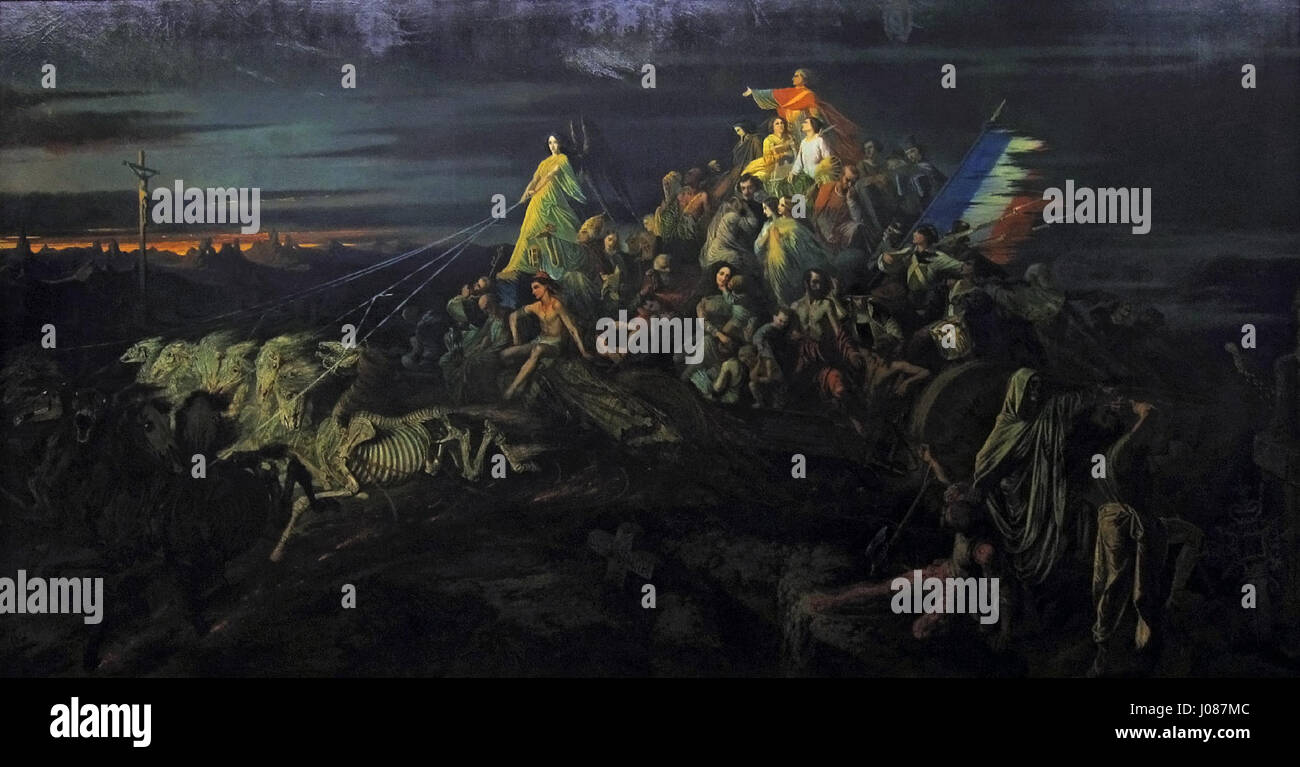
One striking example is the painting *Le Char de la Mort* (The Chariot of Death) by Théophile Schuler. This artwork portrays a skeletal figure driving a chariot, often interpreted as a metaphor for death’s unstoppable march. The chariot, laden with coffins and mourners, suggests that death is not just an event but a journey—one that carries everyone, from peasants to popes. The imagery forces us to confront our own mortality while also appreciating the artistry that frames such a heavy topic with a touch of drama.
The Chariot of Death: A Journey Through Time and Myth
The chariot itself is a powerful symbol across cultures. In Greek mythology, the god Hades rode a chariot pulled by black horses, while in Norse tradition, the Valkyries guided fallen warriors to the afterlife in chariots. The chariot of death, as seen in Schuler’s painting, merges these mythologies into a single, haunting vision. It’s not just a vehicle; it’s a statement. The chariot doesn’t discriminate—it carries the young and old, the rich and poor, the faithful and the skeptical. This universality makes it a compelling subject for artists and thinkers alike.
Visually, the chariot is often depicted as ornate, almost regal, contrasting with its grim passengers. This juxtaposition highlights the paradox of death: it is both a great equalizer and a spectacle. The wheels of the chariot, for instance, might be adorned with intricate designs, while the horses pulling it could be skeletal or fiery-eyed. Such details underscore the idea that death is not merely an end but a transition—one that can be as beautiful as it is terrifying.
Le Pape: The Pope’s Role in the Dance of Life and Death
The Pope, as the spiritual leader of the Catholic Church, holds a unique position in discussions about life and death. Historically, popes have been both symbols of divine authority and mortal men subject to the same fate as everyone else. The recent passing of Pope Francis in 2025 has reignited conversations about the papacy’s role in guiding believers through the fear of death. His simple burial, as reported in the news, reflects a humble acceptance of mortality—a stark contrast to the opulent tombs of past popes like Julius II or Leo X.
But what if the Pope were not just a figure of spiritual comfort but also a guide in the afterlife? This playful yet thought-provoking question ties back to the chariot imagery. If death is a journey, could the Pope be the charioteer, leading souls toward judgment or redemption? Some esoteric traditions, like the medieval *Dance of Death* (Danse Macabre), suggest that death is an egalitarian force, but the Pope’s presence adds a layer of divine authority. This duality—between humility and power—makes the Pope a fascinating figure in the narrative of mortality.

The Challenge: What If Death Were a Papal Procession?
Let’s entertain a whimsical yet profound scenario: What if death were not a solitary event but a grand papal procession? Imagine the chariot of death as a float in a Vatican-sanctioned parade, led by the Pope himself. The skeletal horses pull a carriage filled not just with coffins but with the hopes, fears, and legacies of the deceased. The Pope, dressed in white, blesses each soul as they board, offering a final absolution before the journey begins. This reimagining turns death from a feared unknown into a structured, almost ceremonial transition.
Such a concept challenges our cultural narratives about death. In many traditions, death is a private affair, a moment of grief and loss. But what if it were a public, communal event? The idea of a papal procession for the dead could symbolize the Catholic Church’s role in comforting the dying and guiding the bereaved. It could also serve as a reminder that death, while inevitable, is not the end of the story. The Pope’s presence would underscore the belief in an afterlife, where souls are shepherded toward eternal peace.
This playful thought experiment also raises ethical questions. Would such a procession be comforting or unsettling? Could it trivialize the gravity of death, or would it provide a sense of closure and meaning? These are the kinds of questions that bridge art, religion, and philosophy, inviting us to explore mortality in new ways.
The Art of Mortality: How Artists Confront Death
Artists have long used their work to grapple with the inevitability of death. From the memento mori of the Renaissance to the surrealism of Salvador Dalí, each movement offers a unique perspective. The *Danse Macabre* woodcuts of the 15th century, for example, depicted skeletons dancing with people from all walks of life, reminding viewers that death spares no one. Similarly, modern artists like Damien Hirst have used shock value to confront audiences with the physical reality of death, as seen in his controversial work *The Physical Impossibility of Death in the Mind of Someone Living* (a preserved shark in formaldehyde).
In the context of “Le Char de la Mort” and the papacy, art becomes a bridge between the sacred and the profane. The Pope, as a religious figure, represents the divine order, while the chariot of death represents the chaos of mortality. Together, they create a dynamic tension that artists exploit to evoke emotion and reflection. Whether through painting, sculpture, or performance art, the interplay between life, death, and faith continues to inspire creativity and debate.
Conclusion: Embracing the Mystery of Life’s Final Journey
As we’ve explored, “La Mort,” “Le Char de la Mort,” and “Le Pape” are more than just words—they are gateways to deeper questions about existence, art, and faith. The chariot of death, with its skeletal driver and ornate design, reminds us that mortality is both a universal experience and a deeply personal one. The Pope, as a figure of spiritual authority, challenges us to consider how we confront our own endings and those of others.
The playful question of a papal procession for the dead may seem far-fetched, but it serves a purpose: to make us think critically about how we frame death in our lives. Do we see it as an enemy, a transition, or something in between? By engaging with these themes through art, literature, and philosophy, we can find ways to make peace with the inevitable and perhaps even find beauty in the journey.
So, the next time you encounter an image of a chariot or hear about a pope’s passing, take a moment to reflect. What does death mean to you? And how would you design your own chariot of life’s final ride?
FAQ
What does 'La Mort' symbolize in art?
'La Mort' symbolizes the inevitability of death, often personified in various artistic forms, challenging perceptions of mortality.
How is the Pope depicted in relation to death?
The Pope is depicted as a spiritual leader who guides believers through the fear of death, adding a layer of authority to the concept of mortality.
What is the significance of the chariot in different cultures?
The chariot symbolizes a journey through death, merging various mythologies that depict it as a vehicle for guiding souls.
Leave a Reply