Short Answer
In this guide, you will explore the enigmatic and powerful figure of Lilith as the Queen of Wands—a symbol of fierce independence, forbidden allure, and untamed energy. You will uncover the layers behind her mythos, her connection to the fiery suit of Wands in tarot, and why she continues to captivate hearts and minds across cultures and centuries. Whether you’re drawn to her as a feminist icon, a spiritual archetype, or a muse for creative expression, this exploration will illuminate the deeper reasons for her enduring fascination.
The Myth and Symbolism of Lilith
Lilith’s origins trace back to ancient Mesopotamian demonology, where she was depicted as a night hag or child-stealing spirit. However, her most enduring myth emerges from Jewish folklore, where she is portrayed as Adam’s first wife—created from the same clay as him, not from his rib. When Adam demanded submission, Lilith refused, declaring her equality, and fled the Garden of Eden. This act of defiance established her as a symbol of autonomy and resistance against patriarchal norms.
In esoteric traditions, Lilith embodies the shadow self—the unapologetic, wild, and often feared aspects of femininity. She is the dark moon, the untamed force that refuses to be controlled. This duality makes her a compelling figure in modern spirituality, where she is revered as a goddess of sexual liberation, personal power, and the reclaiming of agency. The Queen of Wands tarot card, often associated with her, amplifies these themes, representing passion, charisma, and the courage to pursue one’s desires without apology.

Lilith as the Queen of Wands: Fierce and Forbidden
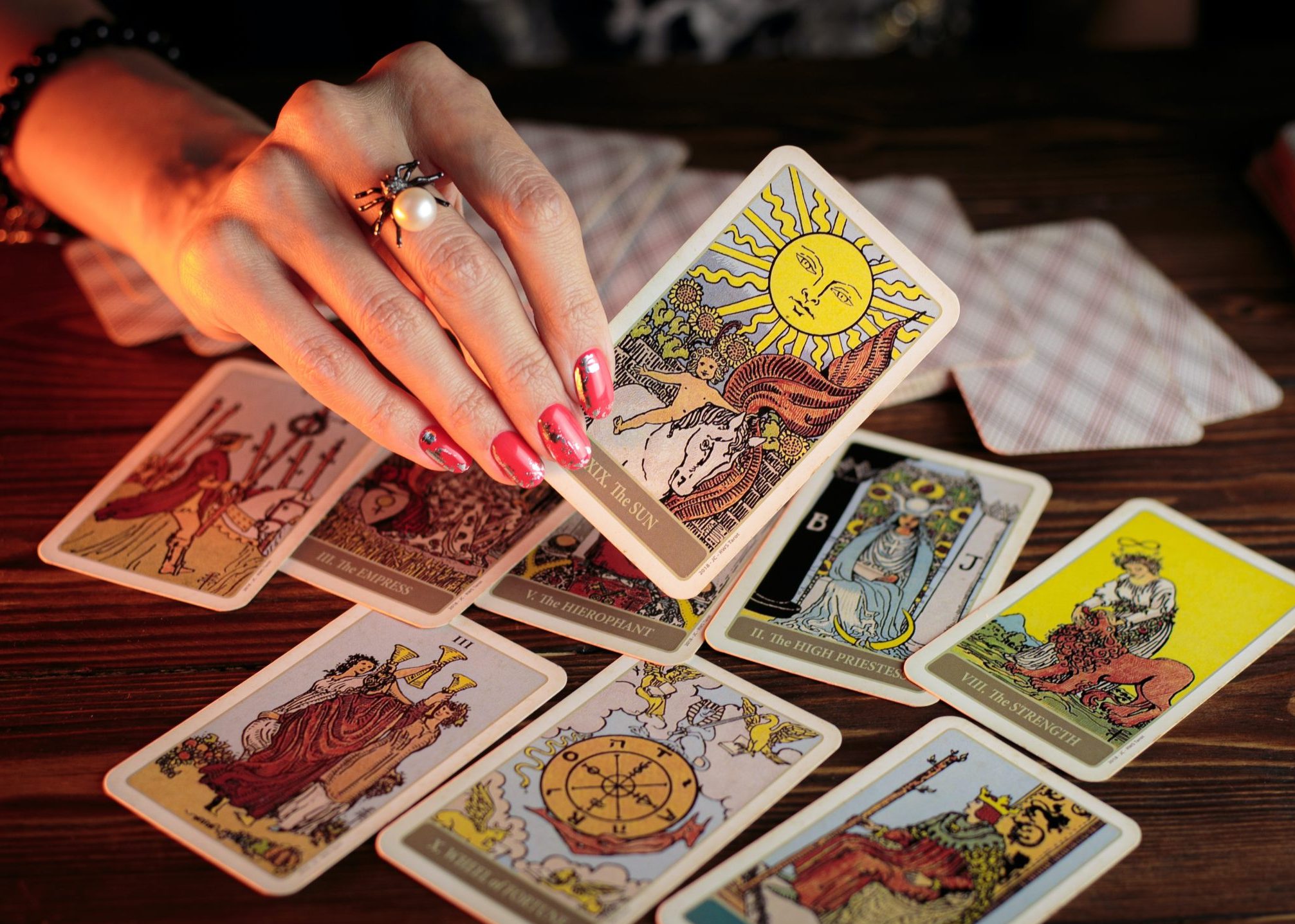
The Queen of Wands tarot card is a visual and symbolic representation of Lilith’s archetype. In the Rider-Waite-Smith tradition, the Queen sits on a throne adorned with sunflowers, holding a wand in one hand and a black cat at her feet. The sunflowers symbolize vitality and growth, while the black cat represents intuition, mystery, and the unseen. Her direct gaze and confident posture convey authority and self-assuredness—qualities that align with Lilith’s refusal to bow to external expectations.
This card is often interpreted as a sign of personal power, creativity, and leadership. When drawn in a reading, it may indicate a time to embrace your passions, assert your boundaries, or step into a role of influence. Lilith as the Queen of Wands challenges societal norms that dictate how women should behave, instead celebrating the raw, unfiltered expression of desire and ambition. Her association with fire—the element of the Wands suit—further emphasizes her transformative energy, burning away illusions and igniting the spark of rebellion.
The Allure of the Forbidden: Why Lilith Fascinates Us
One of the most compelling aspects of Lilith is her association with the forbidden. In many cultures, she is a taboo figure—linked to sexuality, witchcraft, and the rejection of traditional roles. This forbidden nature is precisely what makes her so intriguing. Humans are naturally drawn to what is mysterious, dangerous, or off-limits, and Lilith embodies all three. Her story resonates with those who feel constrained by societal expectations, offering a narrative of liberation and self-determination.
Psychologically, Lilith represents the shadow—the part of ourselves we suppress or deny. By confronting her, we acknowledge the aspects of our identity that society deems unacceptable, whether that’s anger, desire, or independence. This confrontation can be empowering, as it allows for integration and healing. Artists, writers, and creators have long been drawn to Lilith because she embodies the tension between repression and expression, making her a rich source of inspiration for exploring the complexities of human nature.
Lilith in Modern Spirituality and Pop Culture
Today, Lilith’s influence extends far beyond ancient myths. In modern spirituality, she is celebrated as a goddess of sexual liberation, often invoked in rituals for empowerment, protection, and the removal of energetic blockages. Many feminist and pagan traditions revere her as a symbol of the divine feminine, reclaiming her story as one of strength rather than subjugation. Her image appears in tarot decks, jewelry, and art, serving as a reminder of the power that comes from embracing one’s true self.
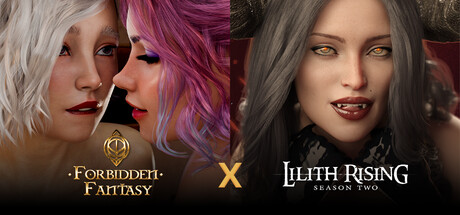
Pop culture has also embraced Lilith, from television shows like Supernatural to video games and music. These portrayals often amplify her darker, more seductive aspects, reinforcing her reputation as a figure who defies norms. Whether she is depicted as a villain or a heroine, Lilith’s presence in contemporary media underscores her role as a mirror for society’s fears and fascinations regarding female power and autonomy.
Conclusion
Lilith, the Queen of Wands, is more than a mythological figure—she is a symbol of rebellion, passion, and unapologetic selfhood. Her story challenges us to question the narratives we’ve been told about power, desire, and femininity, urging us to embrace the parts of ourselves that society may deem forbidden. Whether through tarot, art, or personal reflection, engaging with Lilith’s mythos can be a transformative experience, offering a path to reclaiming agency and authenticity.
Her enduring appeal lies in her ability to reflect our own struggles and triumphs back at us, reminding us that true power comes from within. In a world that often seeks to tame the wild and suppress the fierce, Lilith stands as a beacon of liberation—a reminder that the most potent magic lies in the courage to be unapologetically yourself.
FAQ
Who is Lilith in the context of tarot?
Lilith represents independence and defiance, symbolized in tarot by the Queen of Wands, showcasing themes of empowerment and creativity.
What does the Queen of Wands symbolize?
The Queen of Wands symbolizes personal power, charisma, and the courage to pursue one’s desires unapologetically.
Leave a Reply