Short Answer
Dive into the mystical realm of the Major Arcana, where each card is a portal to ancient wisdom, hidden truths, and the profound journey of the soul. This guide will illuminate the significance of these 22 archetypal cards, their symbolic language, and their role as the backbone of tarot readings. You’ll discover how the Major Arcana mirrors the hero’s journey, reflects life’s pivotal moments, and serves as a mirror to the human experience. By the end, you’ll not only recognize each card’s essence but also understand how they weave together to tell a story of transformation, challenge, and enlightenment.
The Major Arcana: A Cosmic Roadmap of the Soul
The Major Arcana consists of 22 cards, each representing a significant stage in the Fool’s journey—a metaphorical pilgrimage from innocence to enlightenment. Unlike the Minor Arcana, which deals with everyday events, the Major Arcana delves into the grand themes of life: destiny, choice, and spiritual awakening. These cards are often seen as the “trump” cards, holding more weight in readings due to their universal resonance. They act as signposts, guiding seekers through the labyrinth of existence, from the naivety of The Fool to the mastery of The World.
The Fool’s journey begins with The Fool (0), a carefree spirit stepping off a cliff into the unknown, symbolizing new beginnings and boundless potential. Each subsequent card—The Magician (I), The High Priestess (II), The Empress (III), and so on—unfolds a chapter of this odyssey, culminating in The World (XXI), where the cycle completes in wholeness and fulfillment. This sequence isn’t just a random arrangement; it’s a carefully crafted narrative that mirrors the human experience, from birth to death, struggle to triumph.
The Archetypal Power of Each Card
Every card in the Major Arcana is an archetype, a universal symbol that resonates across cultures and centuries. These archetypes tap into the collective unconscious, as Carl Jung theorized, making them deeply relatable. For instance, The Lovers (VI) isn’t just about romantic love; it represents harmony, choice, and the union of opposites. Similarly, The Tower (XVI) embodies sudden upheaval and revelation, stripping away illusions to reveal raw truth. The power of these cards lies in their ability to speak to our deepest fears, desires, and aspirations, often in ways that words alone cannot.
Consider The Death card (XIII), often misunderstood as a harbinger of literal death. In reality, it signifies transformation—a shedding of the old to make way for the new. This card’s skeletal figure on a white horse isn’t a symbol of doom but of rebirth, much like the phoenix rising from ashes. Meanwhile, The Chariot (VII) depicts a warrior in a chariot pulled by sphinxes, representing willpower, determination, and the triumph of the human spirit over adversity. These cards are not static; they are dynamic forces that challenge, inspire, and guide.
The Fool’s Journey: A Metaphor for Life’s Odyssey
The Major Arcana’s narrative structure is its most compelling feature. The Fool’s journey is a metaphor for the human experience, encapsulating the stages of growth, struggle, and self-discovery. It begins with The Fool, a blank slate ready to embark on an adventure, and progresses through trials like The Hanged Man (XII), who hangs upside down to gain a new perspective, and Judgement (XX), where a call to awakening resounds. Each card is a lesson, a challenge, or a revelation, teaching the Fool—and the seeker—about the complexities of life.
For example, Strength (XI) appears after The Chariot, reminding us that true power lies not in brute force but in inner resilience and compassion. The card shows a woman gently closing the jaws of a lion, symbolizing mastery over primal instincts through grace and courage. This juxtaposition of cards highlights the tarot’s depth: it doesn’t just predict outcomes; it offers a roadmap for personal evolution. The journey isn’t linear; it’s cyclical, with lessons repeating until they’re fully integrated.

The Major Arcana in Readings: A Lens for the Soul
In tarot readings, the Major Arcana cards often signify major life events, karmic influences, or spiritual lessons. When these cards appear, they demand attention, urging the querent to reflect on deeper themes. For instance, drawing The Hermit (IX) might suggest a need for introspection or a period of solitude to seek inner wisdom. Conversely, The Sun (XIX) radiates joy and success, indicating clarity, vitality, and a time of abundance. The presence of these cards can shift the focus of a reading from mundane concerns to existential questions.
Moreover, the Major Arcana’s cards can reveal the querent’s current state of being. A spread dominated by early-numbered cards (e.g., The Magician, The Empress) might indicate a phase of creation and manifestation, while later cards (e.g., The Devil, The Tower) could signal a need to confront shadows or release toxic patterns. The cards don’t operate in isolation; their positions in a spread—past, present, future, or outcome—paint a vivid picture of the querent’s journey. This makes the Major Arcana an invaluable tool for those seeking not just answers, but self-awareness.
The Art and Symbolism: Why These Cards Captivate
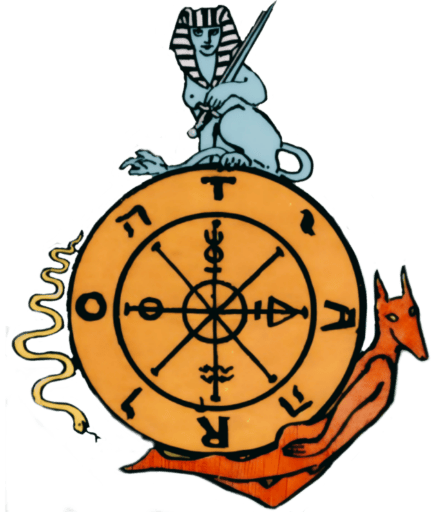
The visual and symbolic richness of the Major Arcana is part of its allure. Artists throughout history have reimagined these cards, infusing them with personal and cultural aesthetics. From the Renaissance-inspired illustrations of the Rider-Waite-Smith deck to modern, minimalist interpretations, each rendition offers a unique lens. The imagery is laden with symbolism: the number 13 on The Death card, the yin-yang symbol on The Temperance card, or the four suits on The Wheel of Fortune. These details invite contemplation, revealing layers of meaning with each glance.
For example, The Star (XVII) often depicts a nude woman pouring water under a starry sky, symbolizing hope, inspiration, and spiritual guidance. The eight-pointed star she pours from represents the chakras, while the pool of water below signifies the subconscious. This card’s serene yet profound imagery encapsulates the tarot’s ability to blend beauty with depth. Similarly, The Moon (XVIII)’s depiction of a crayfish emerging from water, two towers in the distance, and a moon with a face reflects the duality of illusion and intuition. These cards are not just tools; they are works of art that speak to the soul.
Beyond Divination: The Major Arcana as a Spiritual Guide
While the Major Arcana is often associated with divination, its utility extends far beyond fortune-telling. These cards serve as a spiritual compass, helping individuals navigate life’s challenges with greater awareness. They can be used for meditation, journaling, or even as prompts for creative expression. For instance, meditating on The Chariot might inspire someone to harness their determination to achieve a long-held goal, while reflecting on The Hanged Man could encourage a shift in perspective during a difficult time.
The Major Arcana also fosters a deeper connection to the self and the universe. Cards like The Hierophant (V), which represents tradition and spiritual guidance, or Temperance (XIV), symbolizing balance and moderation, offer timeless wisdom. They remind us that life is a series of ebbs and flows, and that harmony often lies in the middle path. By engaging with these cards, individuals can cultivate mindfulness, resilience, and a sense of purpose, transforming their lives from the inside out.
Conclusion
The Major Arcana is more than a collection of tarot cards; it’s a mirror to the human soul, a cosmic roadmap, and a testament to the power of symbolism. Each card is a chapter in a grand narrative of growth, challenge, and transformation, inviting seekers to embark on their own Fool’s journey. Whether used for divination, self-reflection, or artistic inspiration, the Major Arcana holds a unique appeal—one that transcends time and culture. It speaks in metaphors, resonates with archetypes, and illuminates the path to enlightenment, one card at a time. Embrace its wisdom, and let the journey begin.
FAQ
What is the Major Arcana?
The Major Arcana consists of 22 cards in tarot that represent key life lessons and spiritual lessons.
How do the Major Arcana cards differ from Minor Arcana?
The Major Arcana deals with significant life events and spiritual themes, while the Minor Arcana focuses on everyday situations.
Leave a Reply