Short Answer
This guide explores the intriguing connections between reversed tarot card lists, the Rider-Waite-Smith deck, and starter book recommendations for beginners. You’ll discover why reversed cards hold such fascination in tarot practice, how they differ from upright interpretations, and which foundational books can help you master their meanings. Whether you’re a novice seeking clarity or an experienced reader looking to deepen your understanding, this resource provides actionable insights into navigating reversed card symbolism and building a reliable tarot library.
Understanding Reversed Tarot Cards: Beyond the Upright Meaning
Reversed tarot cards—those drawn upside down during a reading—often spark curiosity and even apprehension. Unlike their upright counterparts, reversed cards introduce layers of complexity by suggesting blocked energy, internal struggles, or alternative interpretations of the card’s core message. For instance, while the upright Three of Cups celebrates joy and community, its reversed form might highlight isolation or overindulgence in social settings. This duality is what makes reversed cards so compelling: they force readers to confront nuances that upright interpretations often overlook.
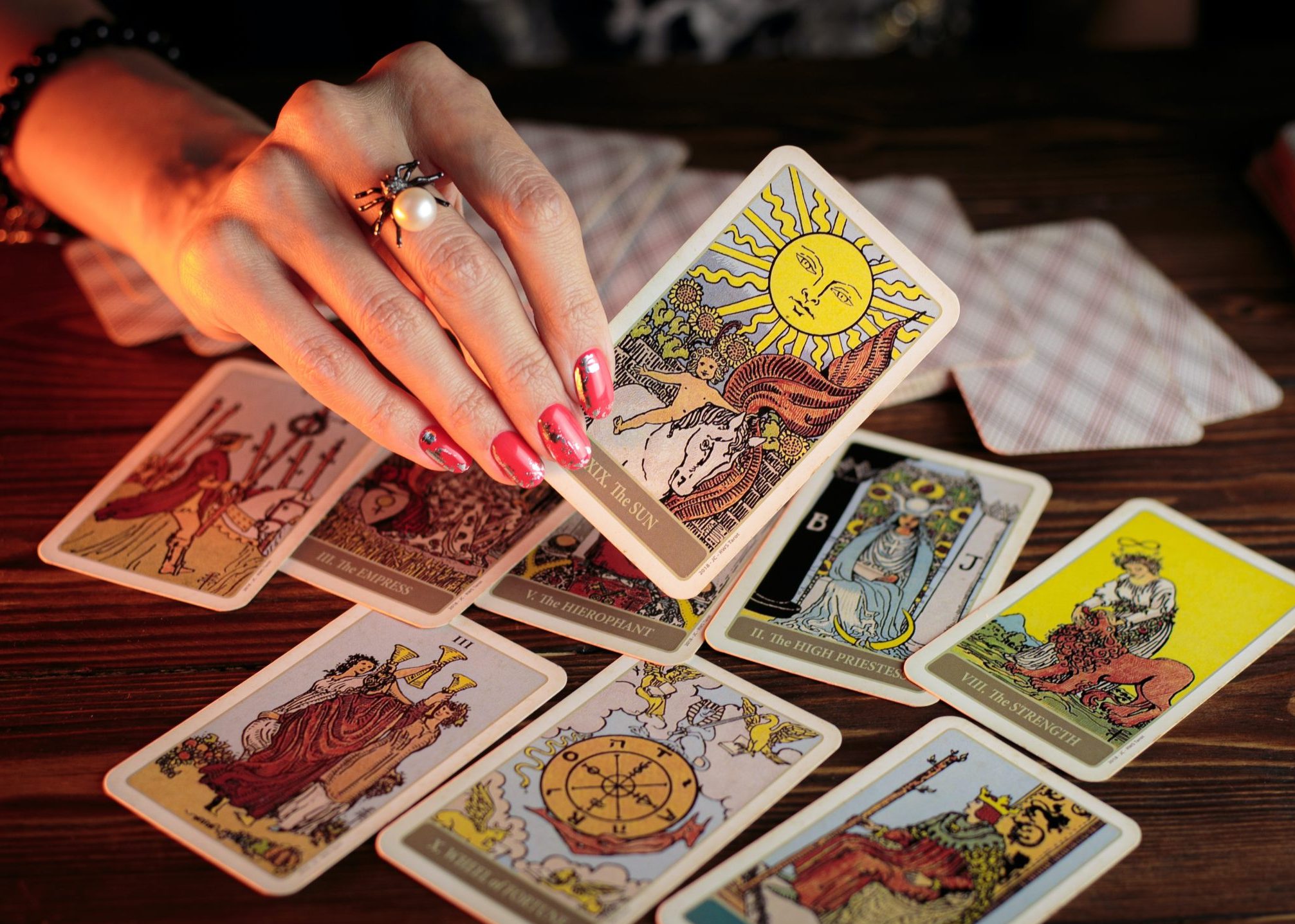
The Rider-Waite-Smith (RWS) deck, created in 1909 by A.E. Waite and illustrated by Pamela Colman Smith, remains the most widely used tarot system. Its rich symbolism provides a fertile ground for reversed interpretations. Smith’s artwork, filled with esoteric details, invites deeper analysis when a card appears upside down. For example, the reversed Death card may not signal literal demise but instead suggest resistance to change or stagnation—a theme that resonates with modern struggles against personal growth.
The Psychology Behind Reversed Card Fascination
Why do reversed cards captivate so many tarot enthusiasts? Part of the appeal lies in their psychological depth. Reversals mirror the human tendency to resist or distort truths, making them a metaphor for subconscious conflicts. Psychologist Carl Jung’s concept of the shadow self aligns with this idea: reversed cards can represent aspects of ourselves we suppress or deny. A reversed Strength card, for instance, might reflect an inability to tame one’s inner turmoil, prompting introspection.
Culturally, reversals also tap into the universal fear of the unknown. Tarot readers often describe a sense of unease when encountering a reversed card, as if the deck itself is challenging them to look beyond surface-level answers. This tension is what makes reversals a powerful tool for self-reflection. They don’t just predict outcomes; they reveal the why behind them, bridging the gap between fate and personal agency.
Rider-Waite-Smith Reversed Card Meanings: A Quick Reference
While every card’s reversed meaning is nuanced, some general themes emerge across the RWS deck. Below are key interpretations for major and minor arcana cards when reversed:
- Major Arcana:
- The Fool (Reversed): Recklessness, poor judgment, or a lack of direction.
- The Magician (Reversed): Manipulation, untapped potential, or wasted skills.
- The High Priestess (Reversed): Secrets, ignored intuition, or emotional detachment.
- Death (Reversed): Fear of change, stagnation, or clinging to the past.
- Minor Arcana:
- Ace of Swords (Reversed): Confusion, miscommunication, or clouded judgment.
- Five of Pentacles (Reversed): Recovery from financial hardship or seeking help.
- Ten of Cups (Reversed): Broken family bonds or unmet emotional needs.
For a deeper dive, consider studying The Ultimate Guide to Tarot by Liz Dean or 78 Degrees of Wisdom by Rachel Pollack, both of which dedicate significant space to reversed interpretations. These books emphasize that reversals aren’t just about negation—they’re about transformation.

Starter Books for Mastering Reversed Tarot Interpretations
Building a tarot library starts with foundational texts that balance theory and practical application. Here are essential reads for those eager to explore reversed cards:
- Tarot for Your Self by Mary K. Greer
Greer’s interactive approach demystifies reversals through exercises that encourage personal connection with the cards. Her “Tarot for Yourself” method helps readers internalize reversed meanings by applying them to real-life scenarios.
- The Tarot Bible by Sarah Bartlett
This comprehensive guide includes a dedicated section on reversals, offering historical context and comparative interpretations across different decks. Bartlett’s clear layouts make it ideal for visual learners.
- Holistic Tarot by Benebell Wen
Wen’s scholarly yet accessible tome explores reversals through the lens of esoteric traditions, including Kabbalah and alchemy. It’s a must-read for those who want to ground their reversed interpretations in deeper metaphysical frameworks.
- Tarot Reversals: The Key to Unlocking Your Inner Wisdom by Barbara Moore
Moore’s book is a deep dive into the psychological and symbolic layers of reversals. She argues that reversals aren’t just about “negative” energy but about unfinished business—a perspective that reframes their role in readings.
For beginners, pairing these books with a RWS deck (like the Radiant Rider-Waite or Universal Waite) ensures consistency in interpretation. Practice spreads, such as the “Past-Present-Future” or “Obstacles-Advice” layouts, can help you track how reversals shift meanings based on card position.
Common Misconceptions About Reversed Cards
One of the biggest pitfalls in tarot is treating reversed cards as inherently “bad” omens. This binary view oversimplifies their purpose. Reversals are better understood as modifiers—they don’t negate the card’s energy but instead highlight its shadow side. For example, the reversed Chariot might indicate a lack of direction, but it could also signal the need to reassess one’s goals rather than abandon them entirely.
Another misconception is that reversals are universally applicable. Some readers argue that they’re unnecessary, preferring to rely solely on upright meanings or intuitive impressions. While this approach works for some, reversals offer a structured way to explore ambiguity—a tool that’s especially valuable in professional readings where clients seek nuanced guidance.
Practical Tips for Reading Reversed Cards
To integrate reversals effectively into your practice, consider the following strategies:
- Context Matters: Always interpret reversals in relation to the question asked and the surrounding cards. A reversed Lovers card in a career spread might point to misaligned values, not just relationship issues.
- Use Reversals Selectively: Not every reading requires reversals. For quick, intuitive sessions, stick to upright cards to avoid overcomplicating the message.
- Journal Your Insights: Track reversed cards you encounter frequently. Over time, you’ll notice patterns that reveal your subconscious biases or recurring life themes.
- Experiment with Decks: Some modern decks (e.g., Modern Witch Tarot or Light Seer’s Tarot) omit reversals entirely. If you’re new, stick with RWS-based decks to build a strong foundation before exploring alternative systems.
Remember, the goal isn’t to memorize reversed meanings but to develop a flexible framework that adapts to each reading’s unique energy.
Conclusion
Reversed tarot cards are more than just upside-down symbols—they’re gateways to deeper self-awareness and a testament to tarot’s adaptability. By embracing their complexity, you unlock a richer, more dynamic practice that honors both the light and shadow aspects of life. Whether you’re drawn to the psychological depth of reversals or the historical roots of the Rider-Waite-Smith deck, the key is to approach them with curiosity rather than fear. Start with foundational books, experiment with spreads, and most importantly, trust your intuition. The reversed cards aren’t obstacles; they’re invitations to explore the uncharted territories of your inner world.
Leave a Reply