Short Answer
Have you ever wondered why a standard deck of cards contains 52 cards? Or what hidden meanings lie behind the suits, numbers, and face cards? This guide dives deep into the fascinating world of playing cards, uncovering the symbolism, history, and cultural significance that transform a simple deck into a rich tapestry of meaning. Whether you’re a card enthusiast, a curious learner, or someone seeking a fresh perspective, prepare to see your deck in a whole new light.
The Historical Origins of the 52-Card Deck
The modern 52-card deck has roots stretching back centuries, evolving from early playing cards used in Asia and the Middle East. The four suits—hearts, diamonds, clubs, and spades—are believed to have originated in 15th-century Europe, where they were adapted from earlier designs. Hearts likely symbolize the Church, diamonds represent wealth, clubs signify peasantry, and spades stand for nobility. This structure was standardized in France and later spread across the globe, becoming the foundation of countless games and traditions.
Interestingly, the 52-card structure mirrors the solar year—52 weeks—while the four suits could represent the four seasons. This alignment suggests an ancient connection between the deck and the natural world, blending practicality with symbolism in a way that feels almost mystical.
Decoding the Suits: More Than Just Shapes
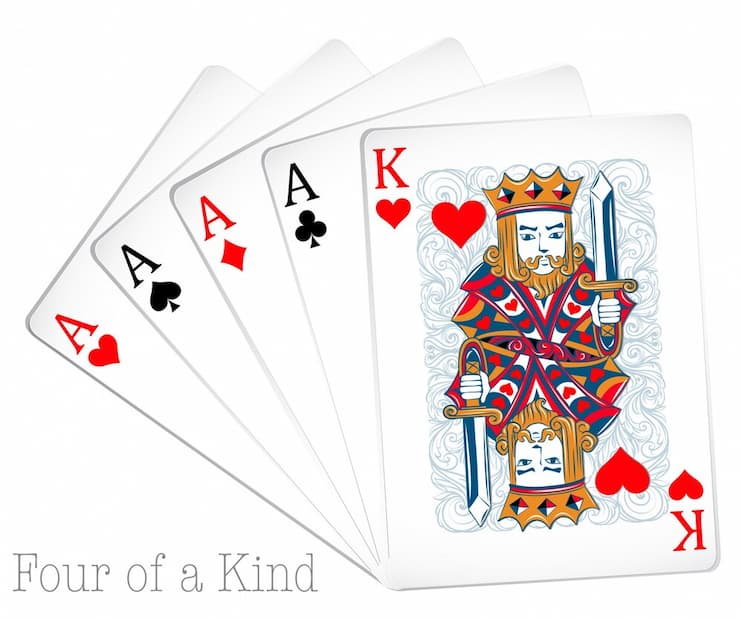
Each suit in a deck carries its own symbolic weight, often reflecting cultural values, historical events, or even elemental associations. Hearts, the most universally recognized suit, are traditionally linked to love, emotion, and the human heart—both literally and metaphorically. In some interpretations, they represent the Church or the clergy, emphasizing their spiritual connotations.
Diamonds, with their angular, geometric shape, are often tied to material wealth, commerce, and the sparkle of diamonds themselves. Clubs, resembling a three-leaf clover, have been associated with agriculture, growth, and the common folk. Meanwhile, spades—pointed and sharp—symbolize power, conflict, and the nobility, reflecting their historical ties to swords and warfare.
Beyond their Western meanings, playing card suits have been reimagined in various cultures. In some traditions, hearts are linked to water, diamonds to fire, clubs to earth, and spades to air, creating a elemental framework that resonates with tarot and astrological symbolism.
The Hidden Meanings of Face Cards: Kings, Queens, and Jacks
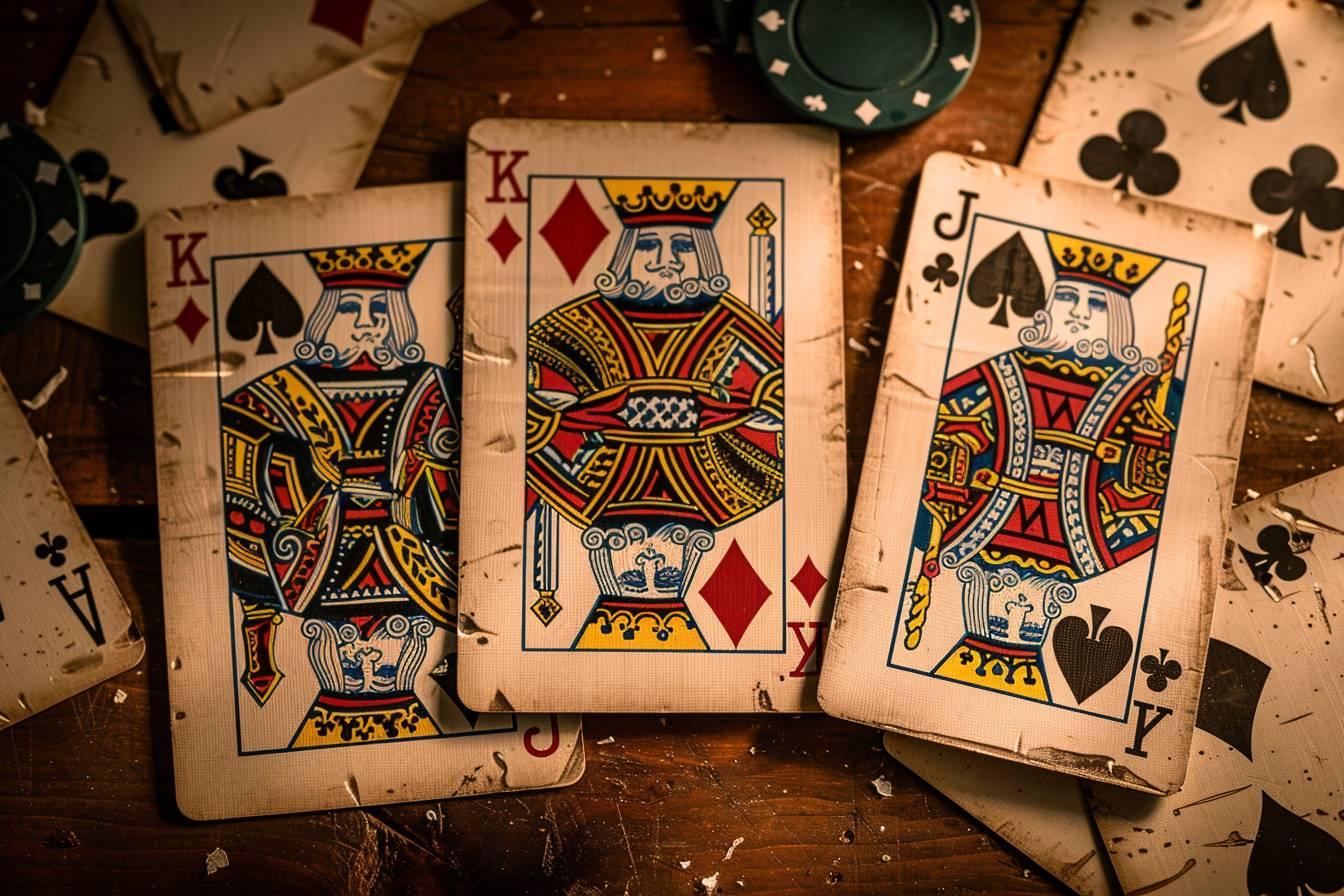
Face cards—King, Queen, and Jack—are more than just decorative elements; they embody archetypal roles and historical figures. The King, often portrayed as a regal figure, represents authority, leadership, and mastery. In many decks, the King of Hearts is unique for holding a sword behind his head, symbolizing a tragic or unexpected end, while the King of Spades is sometimes depicted as a death figure in older designs.
The Queen cards, on the other hand, embody femininity, intuition, and nurturing energy. The Queen of Hearts, often associated with love and compassion, contrasts with the Queen of Spades, which in some interpretations symbolizes independence or even sorrow. The Jacks, or knaves, represent youth, mischief, or the everyman—serving as the bridge between the royal figures and the numbered cards.
These characters can be seen as a microcosm of society, with each card reflecting different facets of human nature. Whether you view them as historical figures, psychological archetypes, or simply as game pieces, their presence adds depth to every shuffle.
Numbered Cards: Numerology and Symbolic Patterns
The numbered cards from Ace to 10 are often overlooked, yet they hold profound numerological significance. The Ace, representing unity or a new beginning, is the starting point of the deck. The number 2 suggests balance and partnership, while 3 embodies creativity and growth. As the numbers ascend, they reflect stages of life, challenges, and triumphs—with 10 often symbolizing completion or wholeness.
In some esoteric traditions, the numbered cards align with the Tree of Life in Kabbalah or the Major Arcana in tarot, where each number corresponds to a specific spiritual lesson. For instance, the 7 of any suit is frequently associated with luck, introspection, or a moment of reckoning, while the 8 represents movement, change, or infinity.
Even the absence of a number on face cards reinforces their symbolic role—they are the “characters” of the deck, while the numbered cards serve as the narrative backbone, guiding the flow of each game or reading.
The Jokers: Wildcards with a Twist
The Joker, a relatively modern addition to the deck, is a wildcard that defies categorization. Often depicted as a court jester or a mysterious figure, the Joker embodies unpredictability, humor, and chaos. In games, it can represent a sudden shift in fortune, while in divination, it may signal a need for adaptability or a reminder that rules are not absolute.
Some interpretations link the Joker to the Fool card in tarot—a symbol of new beginnings, spontaneity, and stepping into the unknown. Its dual nature—sometimes a force of disruption, other times a bringer of joy—makes it one of the most intriguing cards in the deck.
Cultural and Esoteric Interpretations
Beyond their gaming purpose, playing cards have been used for divination, meditation, and artistic expression. The Tarot deck, for example, shares many structural similarities with the standard 52-card deck, particularly in its use of suits and face cards. In cartomancy—the art of reading cards—each card is believed to carry a message, whether as a reflection of the past, a guide for the present, or a warning for the future.
In Chinese culture, playing cards have been used in fortune-telling rituals, with each suit and number holding specific meanings. Similarly, in European occult traditions, cards have been linked to alchemy, astrology, and the elements, with suits corresponding to fire, water, air, and earth.
Artists and designers have also reimagined the deck, turning it into a canvas for storytelling, political commentary, or surrealism. From Salvador Dalí’s tarot deck to modern minimalist designs, the 52-card structure remains a versatile medium for creative expression.
How to Use This Knowledge in Everyday Life
Understanding the meanings behind your deck can transform a simple game of poker or solitaire into a mindful experience. Try pulling a single card each morning as a prompt for reflection, or use the suits to set intentions—hearts for love, diamonds for abundance, clubs for growth, and spades for resilience. The numbered cards can serve as daily numerology guides, while the face cards might inspire you to embody their qualities, whether it’s the leadership of a King or the intuition of a Queen.
For those interested in divination, the deck can be a tool for self-discovery. Shuffle the cards while focusing on a question, then draw three: one for the past, one for the present, and one for the future. The symbols and numbers that emerge may offer surprising insights, blending chance with intention in a way that feels both ancient and deeply personal.
Conclusion
A deck of cards is far more than a tool for games—it’s a mirror to history, culture, and the human experience. From the 52 cards that mirror the weeks of the year to the face cards that embody archetypal roles, each element of the deck tells a story. Whether you’re drawn to the numerology of the numbered cards, the symbolism of the suits, or the wildcard energy of the Joker, there’s always more to discover beneath the surface.
Next time you hold a deck in your hands, take a moment to shuffle with intention. Let the cards guide you not just through a game, but through a journey of curiosity and insight. After all, in a world of rigid rules and predictable outcomes, a deck of cards offers something rare: a promise of surprise, a shift in perspective, and the endless possibility of what might come next.
FAQ
What is the historical origin of the 52-card deck?
The modern 52-card deck evolved from early playing cards used in Asia and the Middle East, with roots in 15th-century Europe.
What do the suits in a deck of cards symbolize?
Hearts symbolize love and emotion, diamonds represent wealth, clubs signify agriculture and growth, and spades symbolize power and conflict.
What are the meanings of face cards in a deck?
Face cards embody archetypal roles; Kings represent authority, Queens symbolize femininity and intuition, and Jacks represent youth and mischief.
How can I use a deck of cards for divination?
You can draw cards while focusing on a question, interpreting their meanings as reflections of the past, present, and future.
Leave a Reply