Short Answer
Have you ever felt stuck in the whirlwind of daily life, craving a moment of clarity or a spark of inspiration? What if a single card could illuminate your path, offering guidance, reflection, or even a gentle nudge toward change? This guide will teach you how to read one tarot card per day—fast, intuitively, and with profound impact. You’ll discover how this simple practice can transform your mindset, deepen your self-awareness, and turn ordinary moments into opportunities for growth. By the end, you’ll have the tools to decode the hidden messages in a single card and apply them to your life with confidence.
The Magic of a Single Card: Why One Tarot Card Can Change Everything
Tarot is often seen as a mystical tool reserved for deep divination sessions, but its power lies in its simplicity. A single card drawn daily acts like a mirror, reflecting your inner state, challenges, or potential paths forward. Unlike elaborate spreads, a daily card focuses your energy on one core message, making it easier to absorb and act upon. Think of it as a daily whisper from the universe—a nudge to pause, reflect, and realign with your intentions. The beauty of this practice is that it doesn’t require hours of study; it thrives on intuition and presence.
Consider the card as a metaphorical “snapshot” of your day. It might highlight a hidden fear, an untapped opportunity, or a recurring theme in your life. For example, pulling The Magician could signal a day to harness your skills and take decisive action, while The High Priestess might urge you to trust your intuition and listen to your inner voice. The key is to approach each card with an open mind, allowing its imagery and symbolism to resonate with your current circumstances.

How to Read a Tarot Card in Under 5 Minutes: A Step-by-Step Guide
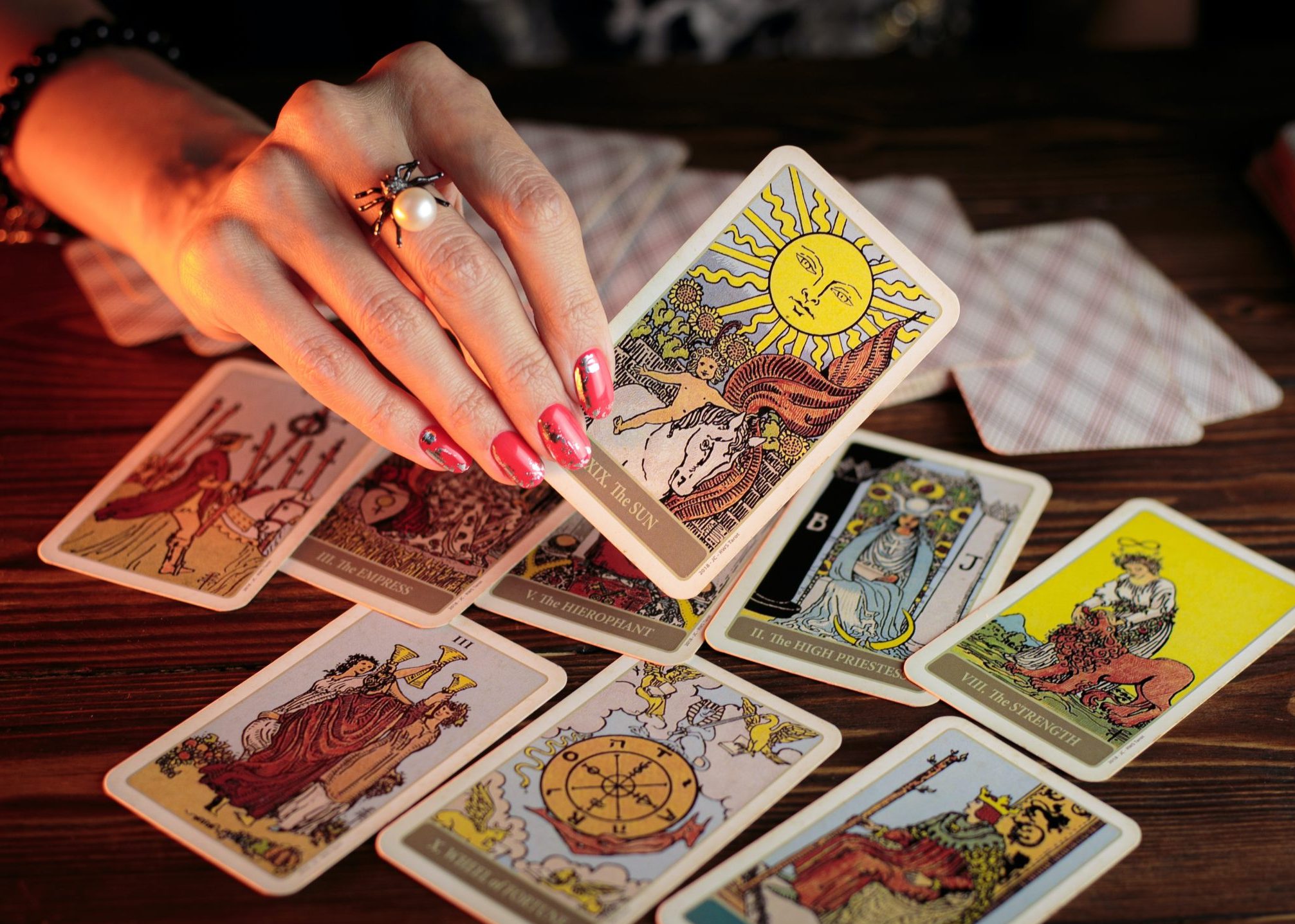
Reading a tarot card quickly doesn’t mean sacrificing depth—it’s about distilling its essence into actionable insight. Start by shuffling your deck while focusing on a question or intention (e.g., “What do I need to focus on today?”). Draw one card and place it face-up. Now, follow these steps:
- Observe the Imagery: What stands out first? Colors, symbols, or figures? For instance, a card dominated by red might signal passion or urgency, while blue could indicate calm or communication.
- Connect to Your Intuition: What emotions or thoughts arise as you look at the card? Trust your gut reaction—it’s often the most accurate guide.
- Interpret the Card’s Core Message: Use traditional meanings as a foundation, but adapt them to your situation. For example, The Tower might traditionally warn of upheaval, but in your context, it could signal a necessary breakdown before a breakthrough.
- Apply It to Your Day: Ask yourself, “How can this message guide my actions or mindset today?” If you drew Eight of Cups, it might encourage you to let go of something draining you.
Remember, there are no wrong interpretations. The card’s power lies in its ability to mirror your subconscious, so even if your reading feels abstract, it’s still valid. Over time, you’ll develop a personal lexicon of symbols that resonate uniquely with you.
The Daily Ritual: Turning a Card into a Powerful Practice
Incorporating a daily tarot card into your routine transforms it from a fleeting exercise into a transformative habit. Start by choosing a consistent time—morning or evening—to draw your card. Pair it with a ritual that grounds you, like lighting a candle, sipping tea, or journaling your thoughts. This creates a sacred space for reflection.
As you pull the card, ask yourself: “What is this card trying to teach me right now?” Write down your initial impressions, then revisit your notes at the end of the day. Did the card’s message play out in unexpected ways? This practice builds a dialogue between you and the cards, deepening your connection to their wisdom.

Unlocking the Hidden Layers: Beyond the Surface Meaning
While traditional tarot meanings provide a solid starting point, the real magic happens when you explore the card’s layers. Consider the following dimensions:
- Elemental Associations: Is the card predominantly fire (action), water (emotion), air (intellect), or earth (stability)? This can reveal the energy you need to embody.
- Numerology: The card’s number (e.g., 3 for creativity, 7 for introspection) adds another layer of insight. For example, the Three of Swords (3) might highlight heartache, while the Seven of Pentacles (7) suggests patience.
- Astrological Connections: Some cards align with zodiac signs or planets. The Empress, for instance, resonates with Venus, symbolizing love and abundance.
- Reversed vs. Upright: A reversed card isn’t “bad”—it often indicates blocked energy or an internal struggle. For example, The Chariot upright might mean determination, while reversed could suggest a need to surrender control.
By peeling back these layers, you’ll uncover nuanced messages tailored to your journey. The more you engage with the cards, the more they’ll reveal about your inner world.
Real-Life Transformations: Stories of One Card’s Impact
Tarot’s power isn’t theoretical—it’s lived experience. Take Sarah, who pulled The Star daily during a career transition. The card’s message of hope and guidance encouraged her to take a leap of faith, leading to a fulfilling new job. Or Mark, who drew Strength repeatedly during a personal crisis. The card’s theme of inner resilience helped him navigate challenges with patience and compassion.
These stories highlight how a single card can act as a catalyst for change. It’s not about predicting the future but about aligning with your highest potential. When you internalize a card’s message, it becomes a compass, steering you toward clarity and purpose.
Conclusion: Your Daily Tarot Practice Awaits
One tarot card a day is more than a habit—it’s a conversation with your higher self. It’s a reminder that wisdom isn’t always found in grand gestures but in the quiet moments of reflection. Whether you’re seeking direction, reassurance, or a fresh perspective, the cards are ready to guide you. Start small, trust your intuition, and watch as this simple practice unfolds layers of insight in your life.
Your deck is waiting. What will today’s card reveal?
FAQ
What is the significance of drawing one tarot card?
Drawing one tarot card simplifies the reading process and allows for focused insights relevant to your day.
How can I interpret a tarot card quickly?
Observe the imagery, connect with your intuition, interpret its core message, and apply it to your day.
What should I do if the card’s message feels unclear?
Trust that even abstract interpretations can provide valid insights, and revisit the card later for deeper understanding.
Leave a Reply