Short Answer
In this comprehensive guide, you’ll uncover the hidden depths of the Original Rider-Waite Tarot, exploring the intricate metaphors and symbolic language Pamela Colman Smith wove into each card. You’ll learn how her visionary illustrations transcend mere divination tools, becoming mirrors of the human experience. By the end, you’ll grasp the unique appeal of this iconic deck and how its meanings resonate across time and culture.
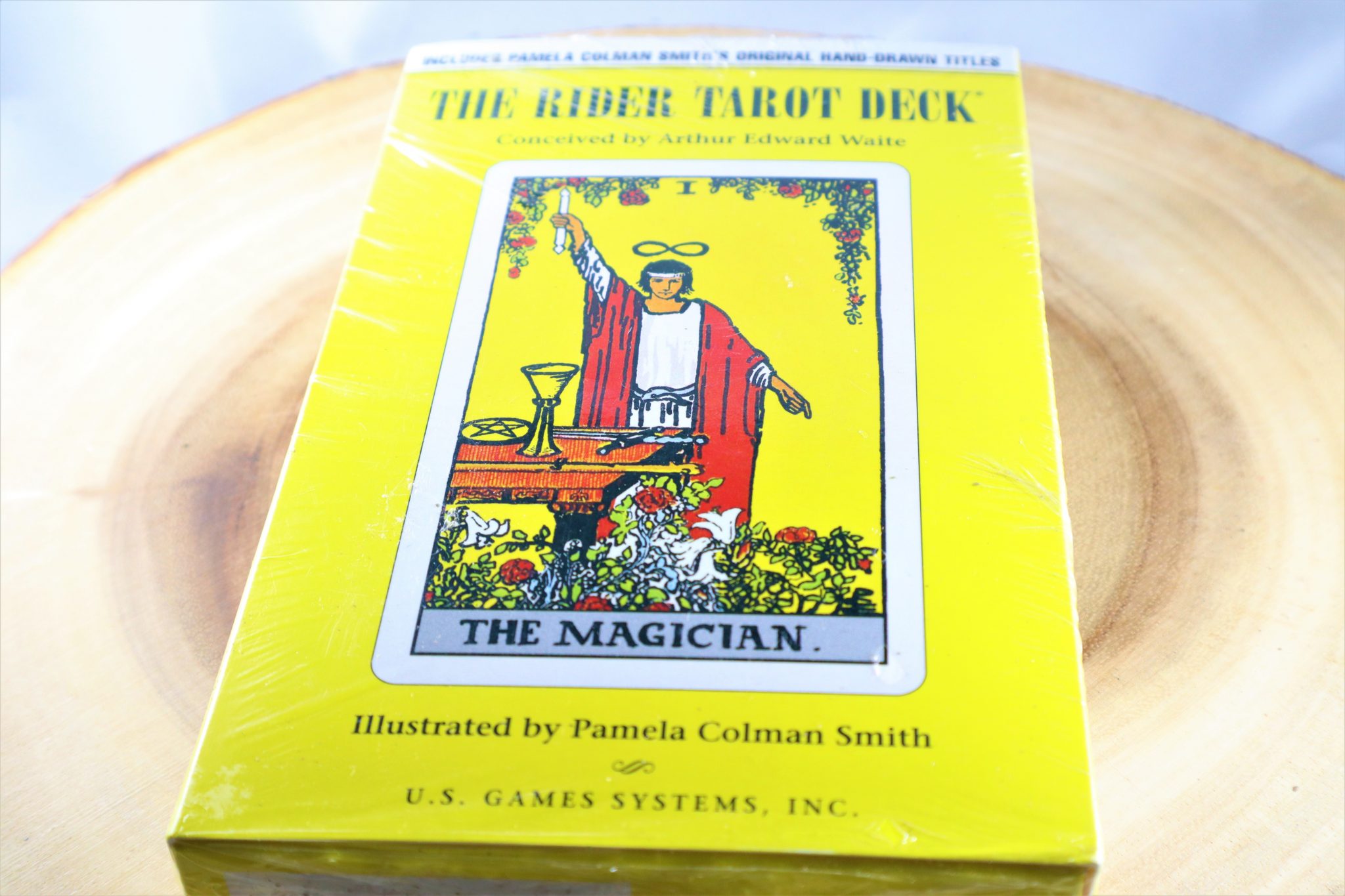
The Birth of a Tarot Revolution: Pamela Colman Smith’s Vision
The Original Rider-Waite Tarot, first published in 1909, was a radical departure from traditional tarot decks. While A.E. Waite, the deck’s creator, provided the written interpretations, it was artist Pamela Colman Smith who breathed life into the cards. Her illustrations transformed static symbols into dynamic narratives, infusing each card with emotional resonance and psychological depth. Smith, a member of the Hermetic Order of the Golden Dawn, drew from esoteric traditions, folklore, and her own mystical experiences to craft a visual language that spoke to the subconscious. The result was a deck that didn’t just predict the future—it illuminated the inner self.
Decoding the Fool’s Journey: A Metaphor for Life’s Adventures
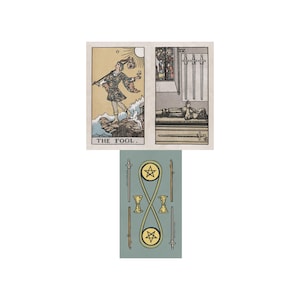
The Fool card is the cornerstone of the Rider-Waite deck, representing the beginning of a journey—both literal and metaphorical. Smith’s depiction of the Fool as a carefree traveler stepping off a cliff encapsulates the essence of spontaneity and trust in the unknown. The white rose in his hand symbolizes purity of intention, while the small dog nipping at his heels suggests the presence of instinct or subconscious guidance. This card isn’t just about taking a leap of faith; it’s about embracing vulnerability as a path to wisdom. The Fool’s journey through the Major Arcana mirrors the human experience: from innocence to enlightenment, each card builds upon the last, creating a narrative of growth and self-discovery.
The Major Arcana: Archetypes of the Human Psyche
The Major Arcana consists of 22 cards, each representing a pivotal life lesson or spiritual milestone. Smith’s artwork elevates these archetypes from abstract concepts to vivid, relatable figures. For example, The High Priestess is depicted as a serene guardian of hidden knowledge, her scroll half-hidden beneath her robes, symbolizing the balance between conscious and subconscious realms. Her crescent moon at her feet reinforces her connection to intuition and the cyclical nature of time. Meanwhile, The Tower is a dramatic portrayal of sudden upheaval, with lightning striking a crumbling tower and figures plummeting into the abyss. This card isn’t just about destruction; it’s about the necessary collapse of illusions to make way for truth.
The Minor Arcana: Everyday Mysteries and Hidden Symbols
While the Major Arcana deals with grand themes, the Minor Arcana grounds the tarot in the fabric of daily life. Smith’s illustrations for the Minor Arcana are equally rich in metaphor. In the Cups suit, for instance, the Three of Cups shows three women dancing in celebration, their cups raised in joy. This card isn’t just about friendship or abundance; it’s about the shared human experience of connection and joy. Similarly, the Swords suit often features stark, dramatic imagery—such as the Five of Swords, where a victorious figure holds three swords while two others lie discarded on the ground. This card speaks to conflict, but also to the cost of winning at the expense of others, a theme that feels eerily relevant in modern times.
The Pentacles suit is particularly notable for its grounding energy. The Ten of Pentacles, for example, depicts a family gathered around a table, symbolizing legacy, tradition, and the cyclical nature of wealth. Smith’s use of architecture and landscape in these cards adds layers of meaning, suggesting that prosperity is not just about material wealth but also about community and generational wisdom.
The Power of Color and Composition in Smith’s Art
Smith’s use of color and composition was revolutionary for her time. She employed a muted, earthy palette that evoked a sense of timelessness, while also using bold contrasts to draw attention to key elements. In The Lovers, the red-haired figure in the background (often interpreted as the devil) adds a layer of tension to the otherwise romantic scene. The positioning of the figures—one angelic, one earthly—highlights the duality of choice and consequence. Similarly, in The Chariot, the sphinxes pulling the chariot are colored in complementary hues, creating a visual harmony that underscores the card’s themes of balance and determination.
Her use of light and shadow also plays a crucial role in storytelling. In Judgment, the golden light emanating from the angel’s trumpet bathes the resurrected figures in warmth, symbolizing rebirth and awakening. The dark, cloudy sky in the background contrasts sharply with this light, emphasizing the transformative power of the moment. These artistic choices weren’t merely aesthetic; they were deliberate tools to evoke emotion and deepen the card’s meaning.
Why the Rider-Waite Tarot Resonates Across Generations
The enduring appeal of the Rider-Waite Tarot lies in its universality. Smith’s illustrations speak to fundamental human experiences—love, loss, ambition, fear—making the deck accessible to readers of all backgrounds. Unlike earlier tarot decks, which were often dense with esoteric symbolism, Rider-Waite’s imagery is intuitive. A beginner can glance at a card like The Moon and immediately sense its eerie, dreamlike quality, while an advanced reader can delve into its layers of meaning, from illusion and deception to the subconscious mind.
The deck’s adaptability is another key to its longevity. Modern tarot readers reinterpret Smith’s work through the lens of psychology, feminism, and even pop culture. For example, some see The Empress as a symbol of feminine power and nurturing energy, while others interpret her as a representation of the natural world’s abundance. This flexibility ensures that the Rider-Waite Tarot remains relevant, evolving with each generation’s understanding of the human experience.
Conclusion
The Original Rider-Waite Tarot is more than a divination tool; it’s a masterpiece of visual storytelling and metaphysical exploration. Pamela Colman Smith’s illustrations transformed tarot from a static set of symbols into a living, breathing guide to the soul. Each card is a window into the human condition, offering insights that are as profound today as they were over a century ago. Whether you’re a seasoned tarot reader or a curious newcomer, the Rider-Waite deck invites you to look deeper—not just into the cards, but into yourself. Its metaphors are timeless, its language universal, and its appeal enduring. By engaging with this deck, you’re not just learning to read tarot; you’re embarking on a journey of self-discovery, guided by the visionary art of Pamela Colman Smith.
FAQ
What is the Rider-Waite Tarot deck?
The Rider-Waite Tarot is a widely used tarot deck created in 1909, featuring illustrations by Pamela Colman Smith that convey deep symbolic meanings.
Who was Pamela Colman Smith?
Pamela Colman Smith was the artist behind the Rider-Waite Tarot deck, known for her innovative illustrations that transformed traditional tarot symbolism.
How does the Fool card represent life's journey?
The Fool card symbolizes new beginnings and the importance of embracing vulnerability and spontaneity in life’s adventures.
Leave a Reply