Short Answer
This guide explores the profound symbolism and meanings behind Pamela Colman Smith’s iconic tarot illustrations. You’ll discover how her artistry transformed the Rider-Waite deck into a visual language that promises a shift in perspective, inviting deeper introspection and curiosity. From the mystical imagery of the Major Arcana to the nuanced details of the Minor Arcana, we’ll uncover the layers of meaning Smith embedded into each card. Whether you’re a seasoned tarot reader or a curious newcomer, this exploration will illuminate how her work continues to resonate with modern seekers.
The Visionary Artistry of Pamela Colman Smith
Pamela Colman Smith, often overshadowed by the Rider-Waite deck’s association with A.E. Waite, was the true artist behind the imagery that has captivated tarot enthusiasts for over a century. Her illustrations are not merely decorative; they are a gateway to the subconscious, blending esoteric symbolism with her unique artistic flair. Smith’s work on the Rider-Waite deck (published in 1909) introduced a visual narrative that made tarot accessible to a broader audience. Her use of color, composition, and symbolic detail invites viewers to engage with the cards on multiple levels, promising a shift in perspective with every draw.
Smith’s background in art and her involvement in the Hermetic Order of the Golden Dawn deeply influenced her tarot designs. She infused each card with layers of meaning, drawing from astrology, alchemy, and Christian mysticism. This fusion created a deck that feels both timeless and deeply personal, allowing readers to project their own experiences onto the imagery while uncovering universal truths.
Major Arcana: The Soul’s Journey Unveiled
The Major Arcana cards represent the grand themes of life’s journey, from innocence to enlightenment. Smith’s illustrations for these cards are rich with symbolism that speaks to transformation, choice, and spiritual growth. For example, The Fool is depicted as a carefree traveler on the edge of a cliff, symbolizing spontaneity and new beginnings. The white rose in their hand and the small dog at their heels hint at purity and loyalty, while the cliff’s edge suggests the leap of faith required to embark on a new path. This card promises a shift in perspective by encouraging trust in the unknown.
The High Priestess, another pivotal card, is portrayed as a serene figure seated between two pillars, one black and one white, with a crescent moon at her feet. This imagery reflects duality, intuition, and the hidden knowledge that lies beneath the surface. Smith’s design invites the viewer to look beyond the obvious, promising deeper insights for those willing to listen to their inner voice. Similarly, Death is not depicted as a grim reaper but as a skeletal figure riding a white horse, symbolizing transformation and rebirth rather than literal demise. This card’s promise lies in its ability to reframe endings as necessary precursors to new beginnings.
Each Major Arcana card in Smith’s deck is a visual poem, offering layers of meaning that unfold with repeated study. The promise of these cards is not just in their predictive power but in their ability to guide the seeker toward self-discovery and enlightenment.
Minor Arcana: The Everyday Mysteries
While the Major Arcana deals with life’s grand themes, the Minor Arcana focuses on the everyday experiences that shape our journey. Smith’s illustrations for these cards are equally profound, using everyday scenes and objects to convey deeper truths. For instance, the Three of Cups depicts three women dancing in celebration, symbolizing joy, friendship, and community. The overflowing cups in their hands suggest abundance and shared happiness, while the presence of a child in the background hints at new beginnings or the continuation of life’s cycles. This card promises a shift in perspective by reminding us of the importance of connection and celebration in our lives.
The Five of Pentacles is another striking example, showing two figures huddled in the snow outside a stained-glass window depicting a church interior. The cold and isolation depicted in the card contrast sharply with the warmth and security implied by the church, suggesting that material or emotional lack can feel more acute when we compare ourselves to others. Smith’s illustration prompts the viewer to reflect on resilience and the resources we often overlook. The promise here lies in recognizing that even in hardship, there is always a path forward.
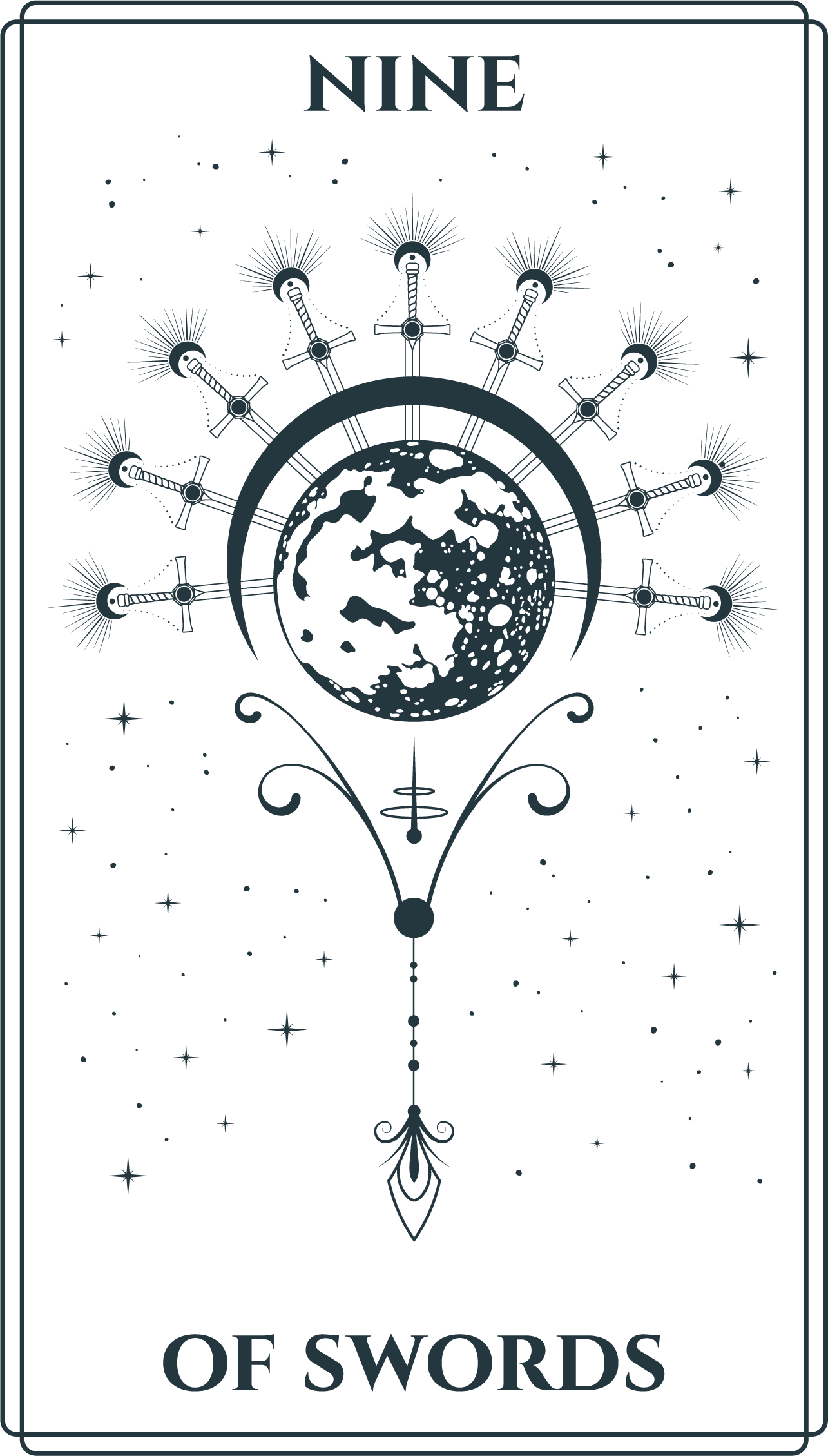
Smith’s use of color and composition in the Minor Arcana cards is masterful. The suits of Cups, Swords, Wands, and Pentacles each have their own visual language, with Smith employing different palettes and motifs to distinguish them. For example, the suit of Swords is often depicted with sharp, angular lines and cool blues and grays, reflecting the mental and sometimes harsh realities of conflict and decision-making. In contrast, the suit of Wands bursts with warm oranges and reds, symbolizing creativity, passion, and action. These visual cues help the reader quickly grasp the essence of each card, making the Minor Arcana a powerful tool for navigating daily life.
The Promise of a Shift in Perspective
One of the most compelling aspects of Smith’s tarot deck is its ability to reframe reality. Whether through the stark contrasts of light and shadow in The Moon card or the gentle harmony of The Star, her illustrations challenge the viewer to see beyond the surface. The promise of Smith’s work lies in its capacity to shift perspective, encouraging the seeker to question assumptions, embrace ambiguity, and find meaning in the unexpected.
For example, The Tower is often feared as a card of destruction, but Smith’s depiction of a lightning-struck tower with two figures falling from its heights also symbolizes liberation from outdated structures. The promise here is that breakdowns can lead to breakthroughs, and chaos can pave the way for clarity. Similarly, The Wheel of Fortune is illustrated with a wheel surrounded by four creatures from different traditions (a sphinx, a serpent, a jackal-headed figure, and an angel), symbolizing the cyclical nature of life. The promise of this card is that change is inevitable, and understanding the cycles of fate can help us navigate life’s ups and downs with greater ease.
Smith’s tarot deck is not just a tool for divination; it’s a mirror that reflects the complexities of the human experience. By engaging with her illustrations, readers are invited to confront their own biases, fears, and hopes, ultimately gaining a deeper understanding of themselves and the world around them. The promise of a shift in perspective is not just a lofty ideal—it’s a tangible outcome of consistent tarot practice with Smith’s deck.
How to Work with Smith’s Tarot Meanings
To fully appreciate the depth of Smith’s tarot illustrations, it’s essential to approach the deck with an open mind and a willingness to explore. Start by familiarizing yourself with each card’s imagery, noting the symbols, colors, and composition that stand out to you. Ask yourself what emotions or thoughts arise when you encounter a particular card. For example, the Ten of Swords might evoke feelings of betrayal or failure, but Smith’s depiction of a figure lying on the ground with ten swords in their back also suggests the inevitability of endings and the potential for renewal. By reframing the card’s meaning, you can uncover its promise of release and transformation.
Journaling is another powerful way to engage with Smith’s tarot. Write down your interpretations of each card, then revisit them over time to see how your understanding evolves. You might also consider pulling a daily card and reflecting on how its imagery and meanings apply to your current circumstances. This practice can help you develop a more intuitive relationship with the deck, allowing Smith’s artistry to guide you toward greater self-awareness.
Finally, don’t be afraid to experiment with different spreads. While the Celtic Cross is a classic choice, Smith’s deck lends itself well to creative layouts that focus on specific themes or questions. For example, a three-card spread using The Magician, Strength, and The World could explore the themes of manifestation, inner power, and completion. By tailoring your approach to your unique needs, you can unlock the full potential of Smith’s tarot meanings.
Conclusion
Pamela Colman Smith’s tarot deck is a masterpiece of symbolic artistry, offering a visual language that transcends time and tradition. Her illustrations promise a shift in perspective by inviting the viewer to look deeper, question more, and embrace the mysteries of life with curiosity and courage. Whether you’re drawn to the Major Arcana’s grand themes or the Minor Arcana’s everyday wisdom, Smith’s work provides a rich tapestry of meaning to explore. By engaging with her deck, you open yourself to a world of insight, transformation, and self-discovery. The promise of Smith’s tarot is not just in the answers it provides but in the questions it inspires—questions that lead to greater understanding, both of the cards and of yourself.
FAQ
Who was Pamela Colman Smith?
Pamela Colman Smith was the artist behind the Rider-Waite Tarot deck, known for her unique illustrations that blend symbolism and artistic flair.
What does the Major Arcana represent?
The Major Arcana represents the grand themes of life’s journey, such as transformation, choice, and spiritual growth.
Leave a Reply