Short Answer
Welcome to a comprehensive exploration of Persona character meanings and the significance of Evoker Tarot in the world of Persona games. Whether you’re a seasoned player or new to the franchise, this guide will illuminate the symbolic connections between characters, their tarot associations, and the deeper meanings behind their roles. You’ll discover how tarot influences character design, narrative arcs, and thematic elements across the series. By the end, you’ll have a richer understanding of how Persona blends mythology, psychology, and tarot to create unforgettable experiences.
The Role of Tarot in Persona Games
Tarot cards serve as the foundation for the Persona series, both thematically and mechanically. Each major character is often associated with a specific tarot card, which reflects their personality, journey, or fate within the story. The Major Arcana, in particular, plays a crucial role in defining the protagonist’s path, with cards like The Fool, The Magician, and The Tower representing key moments in their adventure. The Minor Arcana also influences character dynamics, with suits like Cups, Swords, and Pentacles mirroring emotional, intellectual, and material aspects of their lives. Understanding these connections enhances the narrative depth and makes gameplay more immersive.
Major Arcana and Character Archetypes
The Major Arcana consists of 22 cards, each embodying a universal archetype that resonates with the characters in the Persona universe. For example:
- The Fool (0) – Often represents the protagonist, symbolizing new beginnings, innocence, and limitless potential. The Fool’s journey mirrors the player’s progression through the game’s story.
- The Magician (I) – Associated with characters who wield power, creativity, or influence, such as leaders or mentors. This card embodies skill, willpower, and the ability to manifest desires.
- The High Priestess (II) – Linked to characters who possess deep intuition, mystery, or hidden knowledge. She often serves as a guide or a figure of enlightenment.
- The Tower (XVI) – Represents upheaval, revelation, and sudden change. Characters tied to this card often undergo transformative experiences that shatter their worldview.
These archetypes are not rigid; they evolve as characters grow, reflecting their personal and emotional development throughout the game.
Evoker Tarot: The Protagonist’s Journey
The Evoker is a central element in the Persona series, serving as both a tool and a symbol for the protagonist’s awakening. In many games, the Evoker is a handheld device used to summon Personas, but it also embodies the tarot’s influence on the hero’s journey. The design and function of the Evoker often reflect the protagonist’s tarot card, reinforcing their thematic connection to the Major Arcana. For instance, in Persona 3, the protagonist’s Evoker is sleek and futuristic, mirroring The Fool’s adaptability and forward momentum. The act of summoning a Persona through the Evoker is a ritualistic process that underscores the fusion of technology and mysticism.
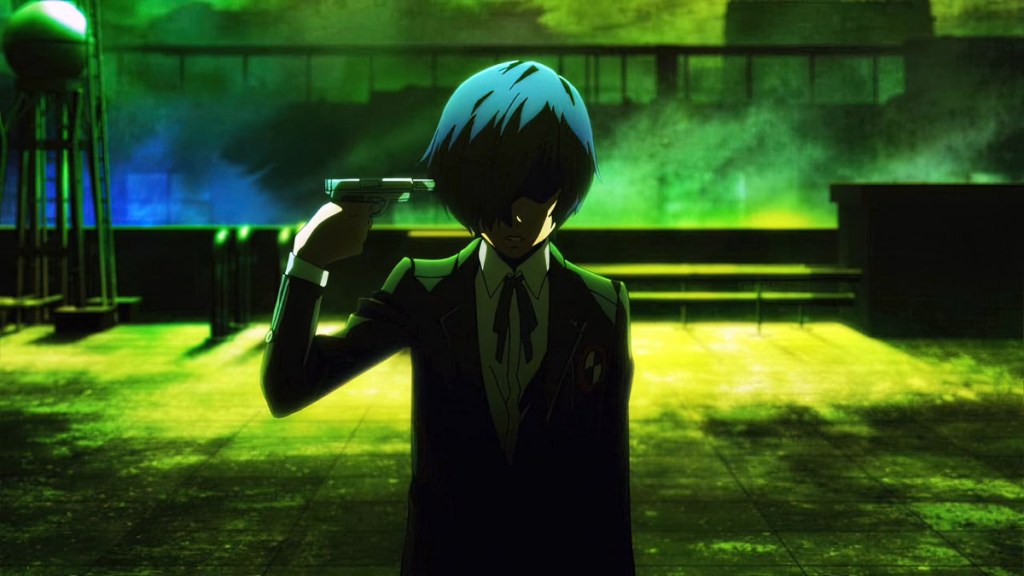
Beyond functionality, the Evoker symbolizes the protagonist’s acceptance of their destiny. It represents the moment they embrace their role as a “Persona user,” stepping into a world where they must confront their inner demons and societal pressures. The tarot connection is further emphasized through the Evoker’s design, which often incorporates symbols from the protagonist’s associated card, such as stars, flames, or geometric patterns.
Persona Design and Tarot Symbolism
Each Persona in the series is a manifestation of the user’s inner self, and their designs are deeply rooted in tarot symbolism. The appearance, abilities, and personality of a Persona often reflect the traits of its corresponding tarot card. For example:
- Izanagi (The Magician) – A versatile and powerful Persona with a regal, almost regal appearance, embodying The Magician’s mastery over the elements.
- Prometheus (The Tower) – A fiery, rebellious Persona that reflects The Tower’s themes of destruction and rebirth.
- Alice (The Moon) – A mysterious and illusory Persona, tied to The Moon’s themes of illusion, dreams, and subconscious fears.
These designs are not merely aesthetic choices; they serve as visual shorthand for the Persona’s role in the story. Players can infer a Persona’s strengths, weaknesses, and narrative significance by recognizing its tarot associations.

For fans interested in creating their own Persona tarot cards, the process involves selecting a tarot card that resonates with a character’s personality or journey, then designing a Persona that visually and thematically aligns with that card. This creative exercise deepens one’s appreciation for the series’ intricate symbolism.
Minor Arcana and Social Links
While the Major Arcana dominates the narrative, the Minor Arcana plays a vital role in the social aspects of Persona games, particularly in the Social Link (or Confidant) system. Each suit—Wands, Cups, Swords, and Pentacles—corresponds to different types of relationships and personal growth:
- Wands (Fire) – Represents passion, creativity, and ambition. Social Links in this suit often involve mentorship or artistic pursuits.
- Cups (Water) – Symbolizes emotions, love, and intuition. These Social Links focus on deepening bonds and understanding one’s feelings.
- Swords (Air) – Embodies intellect, conflict, and communication. Social Links here often involve intellectual challenges or resolving disputes.
- Pentacles (Earth) – Reflects practicality, material success, and personal growth. These Social Links center on career, finances, or self-improvement.
By engaging with Social Links tied to specific suits, players can strengthen their Personas and unlock new abilities, reinforcing the connection between tarot, personal development, and gameplay mechanics.
Tarot in Persona 5: A Case Study
Persona 5 is a prime example of how tarot is woven into the game’s narrative and design. The protagonist, Joker, is associated with The Fool, symbolizing his journey as an outsider challenging societal norms. The game’s opening sequence, where Joker is framed and forced to transfer to Tokyo, mirrors The Fool’s leap of faith into the unknown. Throughout the story, tarot cards appear in key moments, such as the heist planning scenes, where Major Arcana cards guide the team’s strategy.
The game’s villain, Yaldabaoth, is directly tied to The Tower, representing his role as an agent of destruction and rebirth. The final battle against Yaldabaoth is framed as a confrontation with The Tower’s chaotic energy, culminating in the protagonist’s triumph over societal oppression. Even the game’s UI and menu designs incorporate tarot motifs, from the card-based navigation to the stylized Major Arcana icons.
Conclusion
The Persona series is a masterclass in blending tarot symbolism with storytelling, character development, and gameplay mechanics. By understanding the connections between tarot cards and Persona characters, players can gain a deeper appreciation for the series’ themes of self-discovery, rebellion, and personal growth. Whether you’re analyzing the Major Arcana’s influence on the protagonist’s journey or exploring the Minor Arcana’s role in Social Links, tarot serves as a powerful lens through which to view the world of Persona. As you embark on your own adventures, keep an eye out for these symbolic threads—they may just reveal hidden layers of meaning in your favorite characters and stories.
FAQ
What is the significance of tarot in the Persona series?
Tarot serves as a foundation for character development and narrative structure in the Persona series, with characters often associated with specific tarot cards that reflect their personalities and journeys.
How does the Evoker function in the Persona games?
The Evoker is a tool used by protagonists to summon Personas, symbolizing their acceptance of their roles and destinies within the game’s narrative.
Leave a Reply