Short Answer
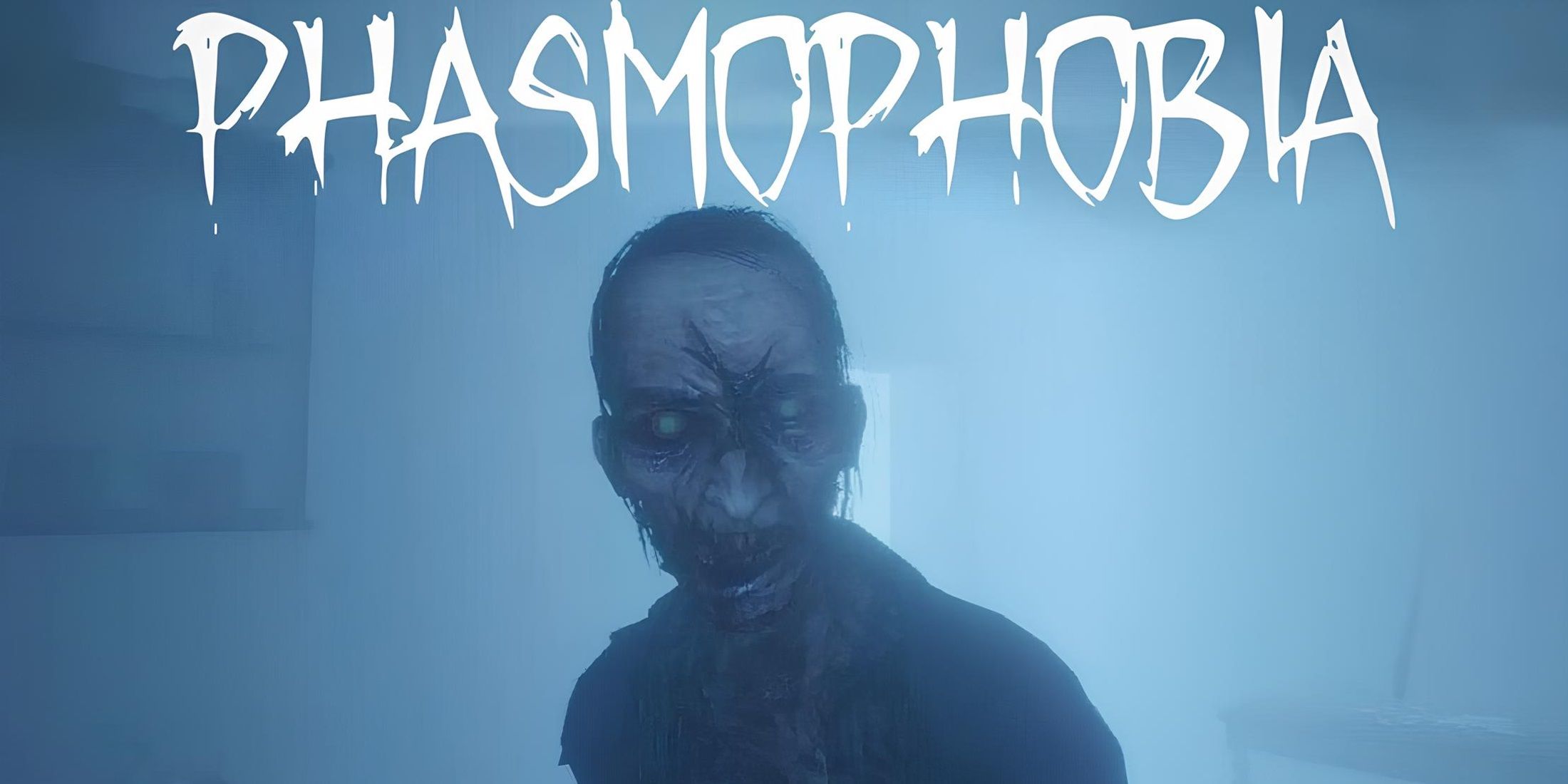
In this guide, you’ll uncover the truth behind Phasmophobia’s Tarot Cards—why the game’s interpretation misses the mark and how understanding their real meanings can transform your gameplay. You’ll learn the historical significance of each card, how they’re misrepresented in the game, and practical ways to use their true symbolism to enhance your ghost-hunting experience. Whether you’re a seasoned player or new to the game, this breakdown will shift your perspective and deepen your appreciation for these mystical tools.
The Hidden Power of Tarot Cards in Phasmophobia
Phasmophobia’s Tarot Cards are often reduced to simple tools for revealing ghost types or triggering events, but their real-world significance is far more profound. Historically, Tarot cards have been used for divination, self-reflection, and spiritual guidance. In the game, they’re stripped of this depth, reduced to a mechanic that feels more like a checklist than a mystical experience. The game’s portrayal misses the opportunity to immerse players in the cards’ true essence—where each card carries a unique energy, symbolism, and potential to influence the supernatural.
For example, the High Priestess in traditional Tarot represents intuition, mystery, and hidden knowledge. In Phasmophobia, she’s merely a card that identifies the ghost type. But imagine if the game embraced her symbolism: players could use her energy to sense the ghost’s presence before it’s visible, or interpret her appearance as a sign to slow down and observe their surroundings more carefully. The game’s simplification robs players of a richer, more atmospheric experience.

Why Phasmophobia’s Tarot Cards Fall Short
The game’s interpretation of Tarot Cards is a missed opportunity to blend horror and mysticism seamlessly. Instead of leveraging the cards’ traditional meanings, Phasmophobia treats them as a binary system—either the card appears, or it doesn’t. This approach lacks the nuance and depth that Tarot is known for. For instance, the Death card in Tarot symbolizes transformation, endings, and rebirth, not just a ghost type. In the game, it’s reduced to identifying a Wraith, ignoring the card’s potential to foreshadow a major shift in the investigation, like a ghost’s sudden aggression or a clue leading to a hidden room.
Another issue is the game’s failure to incorporate the cards’ visual symbolism. Each Tarot card is rich with imagery that could enhance the game’s atmosphere. The Tower card, for example, depicts sudden upheaval and chaos—a perfect match for a ghost’s aggressive behavior. If Phasmophobia used these images more deliberately, players could draw deeper connections between the cards and the ghost’s actions, making the experience feel more immersive and less like a mechanical process.
How to Use Tarot Cards Like a Real Mystic
To truly harness the power of Tarot Cards in Phasmophobia, players should adopt a more intuitive approach. Start by familiarizing yourself with the traditional meanings of each card. Keep a reference guide handy during gameplay, and when a card appears, pause to consider its symbolism in the context of the ghost’s behavior. For example, if the Moon card appears, it might indicate deception or illusions—perfect for a ghost that’s been misleading your team with false evidence.
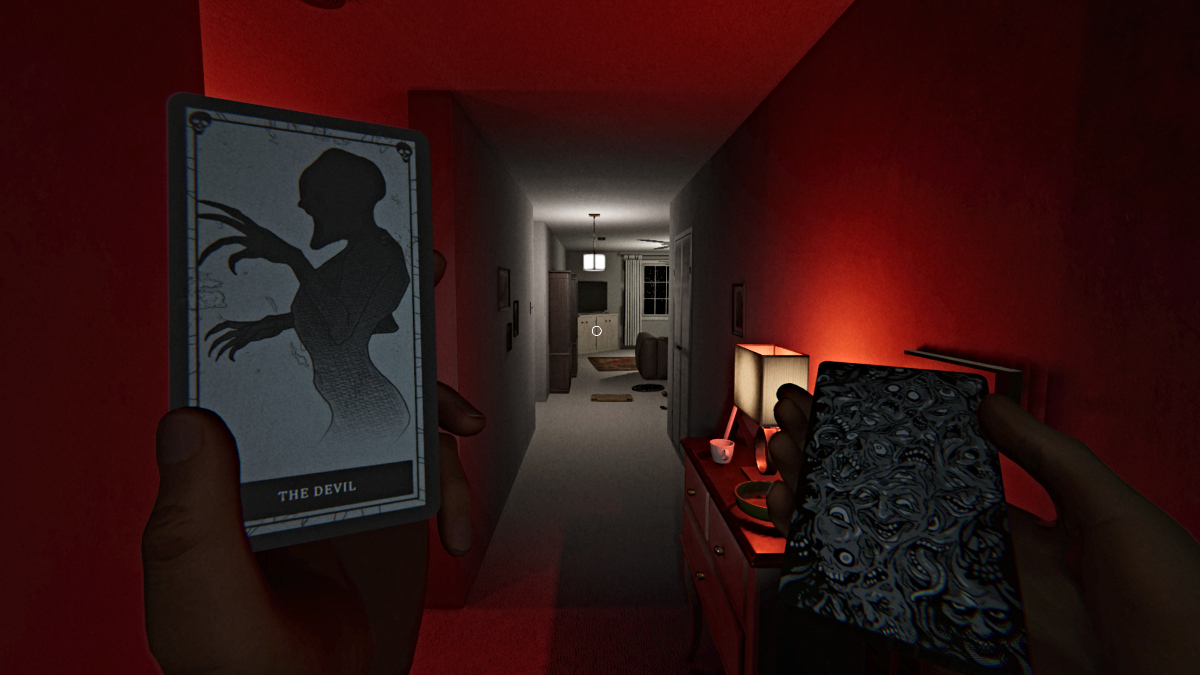
Another technique is to use the cards as a form of divination. Before starting a hunt, draw a single card to set an intention for the session. If the Star card appears, it could signify hope and guidance, suggesting that the ghost might reveal itself in a less threatening way. Conversely, the Devil card might warn of a more dangerous encounter, urging you to prepare for a difficult hunt. This method transforms the cards from a mere mechanic into a tool for deeper engagement with the game’s supernatural elements.
The Psychological Impact of Misrepresented Tarot
Phasmophobia’s simplified use of Tarot Cards also misses an opportunity to play on players’ psychological fears. Tarot is deeply tied to the subconscious, and its traditional meanings tap into universal archetypes that resonate on a primal level. When the game reduces these cards to a mechanical function, it loses the chance to evoke genuine dread or curiosity. For instance, the Hanged Man card, which represents sacrifice and suspension, could be used to foreshadow a ghost’s ability to trap players in a room or force them into a vulnerable position. Instead, the game treats it as just another clue, missing the chance to amplify the psychological tension.
By embracing the cards’ true meanings, Phasmophobia could create a more immersive and unsettling experience. Imagine playing a level where the appearance of the Judgement card signals an impending exorcism or a ghost’s sudden awakening. The card’s traditional association with reckoning and rebirth could make the moment feel more climactic and thematically cohesive. This approach would not only enhance the game’s atmosphere but also make players feel more connected to the supernatural forces at play.
Conclusion
Phasmophobia’s Tarot Cards are a prime example of how a game can miss the mark by oversimplifying a rich and complex system. By reducing these mystical tools to a mere mechanic, the game fails to capitalize on their potential to deepen the player’s experience. However, by understanding the true meanings behind each card and integrating them into gameplay, players can transform their investigations into something far more atmospheric and engaging. Whether you use the cards as a guide for strategy or a source of psychological tension, their real power lies in their symbolism—a power that Phasmophobia has yet to fully unlock. Next time you draw a card in the game, ask yourself: what if this wasn’t just a clue, but a message from the beyond?
FAQ
What are Tarot Cards in Phasmophobia?
In Phasmophobia, Tarot Cards are visual items that appear during gameplay and are used to identify ghost types or trigger events.
How does Phasmophobia misrepresent Tarot Cards?
The game reduces Tarot Cards to simple mechanical clues, ignoring their traditional symbolic meanings, visual imagery, and psychological depth.
Can understanding Tarot symbolism improve gameplay in Phasmophobia?
Yes, by learning the true meanings of the cards, players can interpret ghost behavior more intuitively and enhance the atmospheric experience.
Which Tarot cards are mentioned as examples in the article?
The High Priestess, Death, The Tower, The Moon, The Star, The Devil, The Hanged Man, and Judgement are discussed in relation to their symbolic meanings.
How can players use Tarot Cards like a real mystic in Phasmophobia?
Players can use the cards as divination tools by drawing a card before a session to set intentions or by interpreting each card’s symbolism in context during gameplay.
Leave a Reply