Short Answer
Embark on a journey through the profound themes of rebirth, reflection, and resurrection as we explore their spiritual, philosophical, and metaphorical dimensions. This guide will illuminate how these concepts intertwine to shape human experience, offering insights into transformation, renewal, and the cyclical nature of life. By the end, you’ll gain a deeper appreciation for the timeless allure of these ideas and their relevance in both ancient traditions and modern thought.
The Metaphor of Rebirth: A Phoenix Rising
Rebirth is one of humanity’s most enduring metaphors, often symbolized by the phoenix—a mythical bird that cyclically regenerates or is reborn from its own ashes. This imagery transcends cultures, appearing in ancient Egyptian, Greek, and Chinese traditions, each interpreting it through their unique spiritual lenses. The phoenix represents not just physical renewal but a spiritual awakening, where past struggles and failures become the fuel for a stronger, wiser self.
In psychological terms, rebirth mirrors the process of personal growth. Carl Jung’s concept of individuation describes how individuals integrate their shadow selves to emerge transformed, much like the phoenix. This metaphor invites us to view life’s challenges as opportunities for metamorphosis, where endings are merely preludes to new beginnings. The language of rebirth is poetic yet practical, offering a framework for resilience and hope in adversity.

Reflection as the Mirror of the Soul
Reflection is the act of turning inward, a practice that has been revered in spiritual and philosophical traditions for millennia. From the Stoics’ evening meditations to the Christian practice of examen, reflection serves as a compass for self-awareness and moral clarity. It is the process of examining one’s thoughts, actions, and motivations to discern patterns, learn from mistakes, and align with deeper values.
The uniqueness of reflection lies in its dual nature: it is both a tool for introspection and a bridge to transcendence. In Eastern philosophies, meditation and mindfulness are forms of reflection that quiet the mind to reveal the true self. Meanwhile, in Western thought, reflection is often tied to existential questions—“Who am I?” and “What is my purpose?”—inviting a dialogue between the finite and the infinite. The language of reflection is intimate, often poetic, as it speaks to the soul’s yearning for meaning and connection.

Resurrection: The Triumph of Life Over Death
Resurrection is the ultimate metaphor for victory over mortality, a concept that permeates religious narratives, literature, and art. In Christianity, the resurrection of Jesus Christ is the cornerstone of faith, symbolizing divine power over sin and death. Yet, resurrection is not confined to theology; it appears in secular contexts as well, representing the revival of hope, justice, or lost causes. Think of the resurrection of a dying community through collective action or the revival of a forgotten art form through modern reinterpretation.
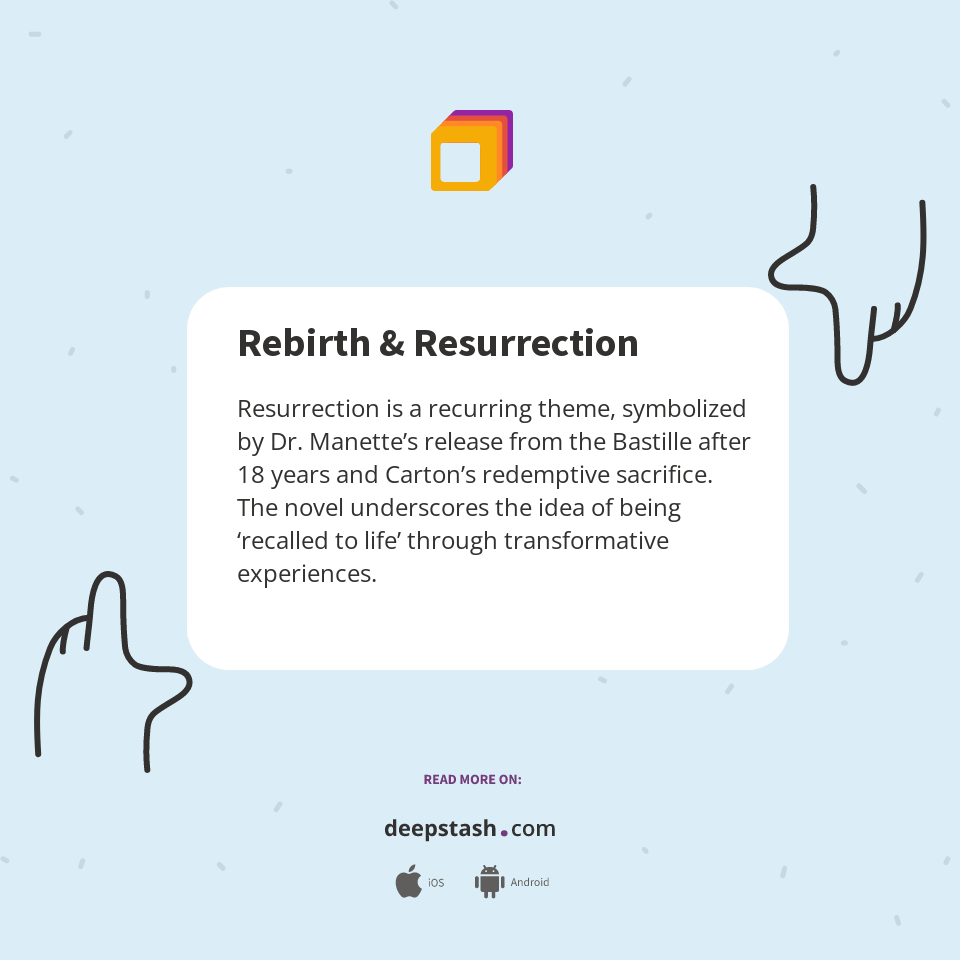
The appeal of resurrection lies in its paradoxical nature—it is both a literal and symbolic event. In nature, we see resurrection in the blooming of flowers after winter or the hatching of a chick from an egg. These cycles remind us that life and death are not opposites but phases of a continuous process. The language of resurrection is triumphant, evoking images of light piercing darkness, of phoenixes rising, and of seeds sprouting through cracked soil. It speaks to the human spirit’s unyielding belief in renewal, even in the face of despair.
The Triad of Rebirth, Reflection, and Resurrection
When we weave rebirth, reflection, and resurrection together, we create a tapestry of human experience that is both ancient and profoundly relevant. Rebirth initiates the cycle, reflection deepens it, and resurrection completes it. This triad is evident in rites of passage, such as baptism in Christianity (rebirth), the confession of sins (reflection), and the promise of eternal life (resurrection). It is also mirrored in secular rituals, like New Year’s resolutions (rebirth), journaling (reflection), and the celebration of personal milestones (resurrection).
The language of this triad is rich with metaphor and symbolism. It speaks of ashes turning to beauty, of darkness giving way to light, and of endings birthing new beginnings. This language is not just poetic; it is transformative. It invites us to see our lives as ongoing narratives of growth, where each challenge is a seed for renewal, each introspection a step toward wisdom, and each resurrection a testament to the indomitable human spirit.
Conclusion
Rebirth, reflection, and resurrection are more than abstract concepts—they are the heartbeat of human existence. They remind us that life is cyclical, that introspection is a compass, and that hope is eternal. Whether through the lens of spirituality, psychology, or personal experience, these themes offer a framework for understanding our place in the world and our capacity for renewal. As you navigate your own journey, let these metaphors guide you: embrace the phoenix within, reflect with intention, and rise with the dawn of a new beginning. In the end, the story of rebirth, reflection, and resurrection is the story of humanity itself—one of resilience, wisdom, and unending transformation.
FAQ
What is the significance of rebirth?
Rebirth symbolizes transformation and renewal, often represented by the phoenix in various cultures.
How does reflection contribute to personal growth?
Reflection allows individuals to assess their experiences and values, fostering self-awareness and moral clarity.
What does resurrection represent?
Resurrection signifies triumph over death and the cyclical nature of life, embodying hope and renewal.
Leave a Reply