Short Answer
In this comprehensive guide, you’ll explore the profound intersection of reconciliation, recognition, and the enigmatic allure of Rebel Tarot. Discover how tarot serves as a mirror to the soul, illuminating paths to healing fractured relationships and embracing personal transformation. Through intriguing metaphors and vivid imagery, we’ll delve into the symbolic language of tarot cards, uncovering their unique appeal as tools for introspection and reconciliation. Whether you’re navigating the complexities of mending bonds or seeking self-discovery, this guide will equip you with insights to harness the power of tarot in your journey.
The Art of Reconciliation: A Tarot’s Gentle Whisper
Reconciliation is not merely the act of mending a broken bond; it is a dance of recognition—of seeing the other, acknowledging past wounds, and choosing to step forward with empathy. Tarot, with its ancient wisdom, becomes a silent guide in this process, offering clarity when emotions cloud judgment. The cards act as a bridge between the conscious and subconscious, revealing hidden truths that may have been obscured by pain or pride.
Consider the Two of Cups, a card that symbolizes mutual respect and emotional harmony. When drawn in a reconciliation spread, it suggests a moment of shared vulnerability, where both parties recognize the value of their connection. The imagery of two figures exchanging cups speaks to the balance required in healing—each must give and receive with intention. Similarly, the Six of Swords represents transition, indicating that while the journey may be difficult, moving forward together is possible when both parties are willing to leave behind what no longer serves them.
Tarot does not force reconciliation; instead, it illuminates the path, allowing individuals to see the potential for growth. The cards encourage reflection on past actions, fostering a deeper understanding of the self and the other. In this way, tarot becomes a tool for recognition—not just of the other’s flaws or virtues, but of one’s own role in the narrative of the relationship.
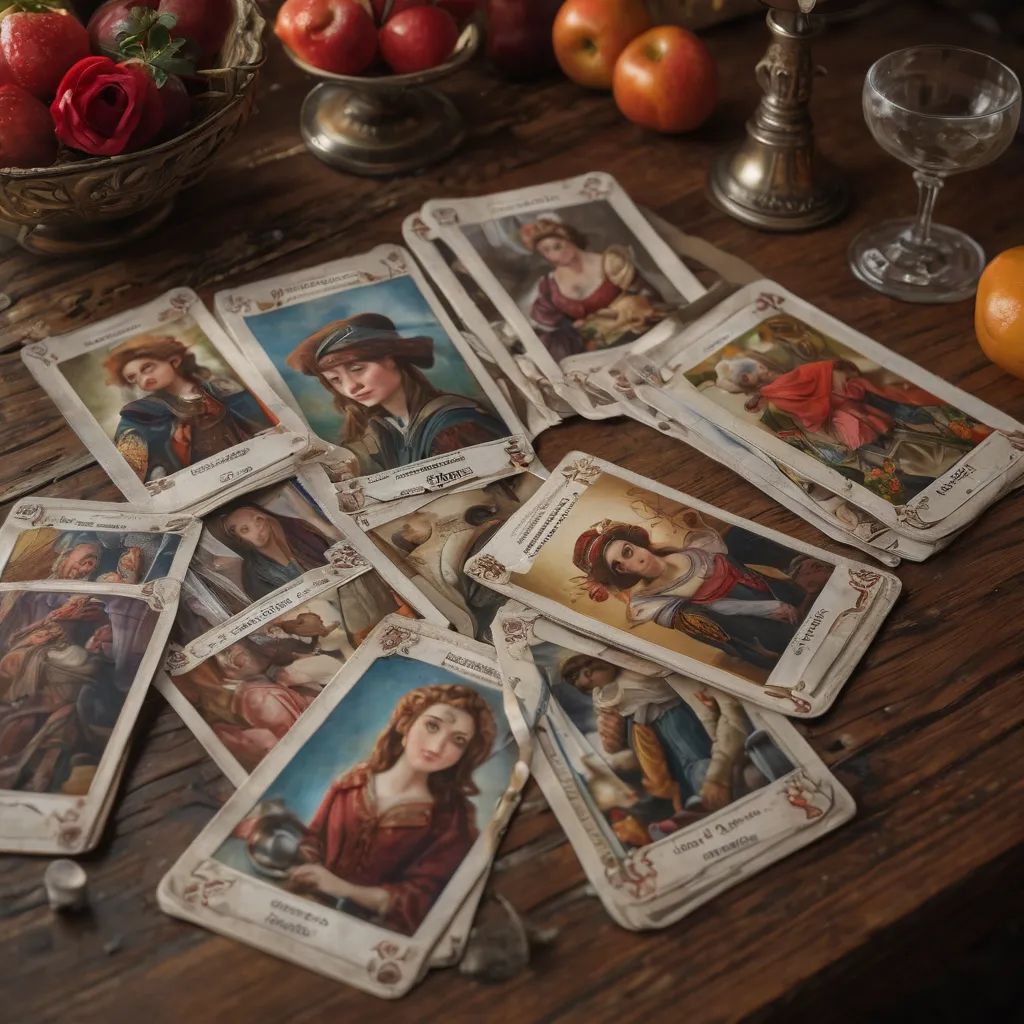
The metaphor of tarot as a mirror is particularly apt. Just as a mirror reflects not just our appearance but the light that surrounds us, tarot reflects the emotional and spiritual light within our relationships. It does not judge; it simply shows. This neutrality is what makes tarot an invaluable companion in the delicate process of reconciliation.
Recognition: The Hidden Language of Tarot Cards
Recognition in tarot is not about acknowledgment in the superficial sense; it is about seeing—truly seeing—the layers of meaning within each card and within ourselves. The tarot deck is a language of symbols, where every image, color, and number carries a message. To recognize these symbols is to decode the language of the universe, which often speaks in riddles and metaphors.
Take, for example, the High Priestess, a card that embodies intuition and hidden knowledge. When this card appears in a reconciliation reading, it may signal that the answers lie not in external validation but in quiet introspection. The High Priestess sits between the pillars of light and dark, suggesting that reconciliation requires embracing both the light (forgiveness) and the dark (pain) to achieve true understanding. Similarly, the Hermit card, with its solitary figure and lantern of wisdom, reminds us that sometimes, the first step toward reconciliation is stepping away to reflect on what truly matters.
The language of tarot is also one of duality. Cards like the Lovers or the Chariot highlight the push and pull of relationships—the choices we make, the battles we fight, and the harmony we seek. Recognition, then, is about acknowledging these dualities without judgment. It is about seeing the whole picture, not just the parts that align with our desires.
In the context of reconciliation, recognition is a two-fold process: recognizing the other’s perspective and recognizing our own patterns. Tarot aids in this by presenting scenarios that challenge our preconceptions. For instance, the Three of Swords, often associated with heartbreak, can be a stark reminder of the pain that may have led to the rift. Yet, when viewed through the lens of reconciliation, this card can also symbolize the catharsis needed to heal—cutting away what no longer serves the relationship.

The Temperance card, with its angelic figure and flowing water, is a masterclass in recognition. It teaches that reconciliation is not about forcing a perfect balance but about finding a rhythm that works for both parties. The angel’s one foot on land and one in water represents the merging of two worlds—each must adapt, compromise, and flow together to achieve harmony.
Rebel Tarot: Breaking Chains and Redefining Tradition
While traditional tarot decks like the Rider-Waite-Smith are steeped in historical symbolism, Rebel Tarot emerges as a breath of fresh air—a deck that challenges conventions and invites the querent to rewrite the rules. Created by Rite of Ritual, this deck is a celebration of individuality, blending modern aesthetics with esoteric wisdom. Its unique appeal lies in its ability to resonate with those who feel stifled by traditional interpretations, offering a new lens through which to view reconciliation and self-discovery.
The Rebel Tarot deck is not just about rebellion for the sake of it; it is about reclaiming agency. The cards are designed with bold, contemporary imagery that speaks to the struggles and triumphs of modern life. For instance, the Rebel’s version of the Tower card might depict a figure breaking free from a crumbling structure, symbolizing the destruction of old patterns to make way for new growth. In the context of reconciliation, this card could represent the necessary upheaval that precedes healing—a reminder that sometimes, breaking down is the only way to rebuild stronger.
One of the most striking aspects of Rebel Tarot is its use of color and composition. Unlike traditional decks, which often rely on muted tones, Rebel Tarot embraces vibrant hues and dynamic compositions. The Rebel’s Lovers card, for example, might feature two figures in a passionate embrace, surrounded by swirling colors that evoke both chaos and harmony. This visual language speaks to the complexity of relationships—how love and conflict are intertwined, and how reconciliation is not a linear process but a spiral of growth.
The deck also incorporates modern archetypes, such as the Rebel’s Fool, who is not the naive wanderer of traditional decks but a figure who carries the weight of experience. This Fool is a survivor, someone who has learned to navigate the world with resilience and intuition. In a reconciliation reading, this card might suggest that the querent has the strength to face their past and move forward with wisdom.
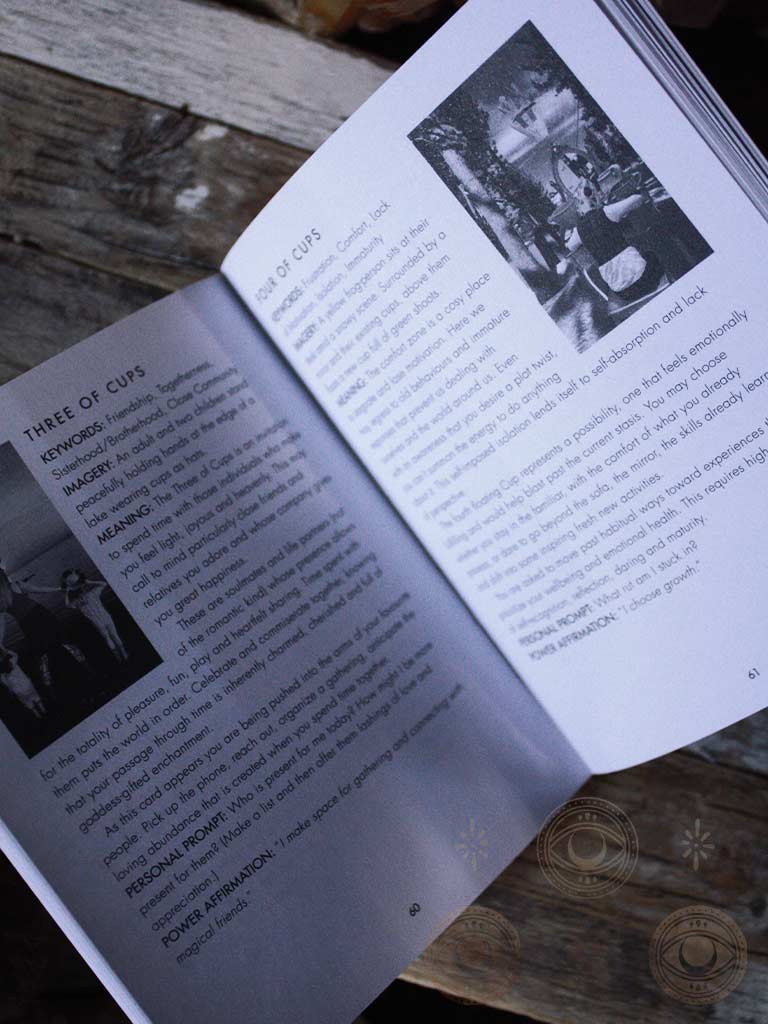
The Rebel Tarot’s appeal lies in its ability to speak to the disenfranchised—the those who feel that traditional tarot does not reflect their experiences. It is a deck for the rebels, the healers, and the seekers who understand that reconciliation is not about conforming to expectations but about forging a path that is uniquely their own. Whether used for personal reflection or shared readings, Rebel Tarot invites the querent to question, to challenge, and to redefine what reconciliation means to them.
Crafting Your Reconciliation Narrative with Tarot
Reconciliation is not a one-size-fits-all process, and tarot recognizes this by offering a flexible framework for exploration. To craft your reconciliation narrative, start by selecting a spread that resonates with your intentions. A simple three-card spread—Past, Present, Future—can provide a snapshot of where you’ve been, where you are, and where you’re headed. Alternatively, a more complex spread like the Celtic Cross can offer deeper insights into the dynamics of the relationship and the obstacles that may arise.
When interpreting the cards, pay attention to the emotions they evoke. Reconciliation is as much about feeling as it is about logic. If a card like the Five of Cups appears, acknowledging the grief and loss is essential before moving toward healing. Conversely, the Ten of Cups might indicate a vision of harmony, serving as a beacon of hope for the future. The key is to use the cards as a starting point for conversation—with yourself and, if applicable, with the other person.
Rebel Tarot can add a layer of personalization to this process. If you resonate with the deck’s rebellious spirit, consider pulling a single card each day as a prompt for reflection. Ask yourself: What does this card teach me about my journey toward reconciliation? The answer may surprise you, revealing hidden fears, desires, or strengths that you hadn’t acknowledged before.
It’s also important to remember that tarot is not a magic bullet. Reconciliation requires action—apologies, forgiveness, and a willingness to change. Tarot can illuminate the path, but it is up to you to walk it. Use the insights gained from your readings to inform your decisions, but don’t let the cards dictate your life. Instead, let them be a compass, guiding you toward the choices that align with your highest good.
Conclusion: The Alchemy of Reconciliation and Tarot
Reconciliation is an alchemical process—one that transforms pain into wisdom, conflict into understanding, and separation into connection. Tarot, with its rich symbolism and intuitive language, serves as a catalyst in this transformation. Whether through the traditional wisdom of the Two of Cups or the bold rebellion of Rebel Tarot, the cards offer a mirror in which to see ourselves and our relationships more clearly.
The journey of reconciliation is not an easy one. It demands courage, vulnerability, and a willingness to confront the shadows within and between us. Yet, it is also a journey of profound growth—a chance to rewrite the narrative of our lives with intention and grace. Tarot, in all its forms, is a companion on this path, offering insights, warnings, and hope when we need it most.
As you explore the world of tarot and reconciliation, remember that the cards are not fortune-telling tools but guides for the soul. They do not predict the future; they illuminate the present, helping us make choices that lead to healing and wholeness. Whether you’re drawn to the timeless elegance of traditional decks or the vibrant defiance of Rebel Tarot, the key is to approach the cards with an open heart and a curious mind.
In the end, reconciliation is not about returning to the way things were but about creating something new—a relationship, a self, or a way of being that is rooted in truth and authenticity. Tarot, with its endless metaphors and symbols, reminds us that this process is not linear but cyclical, a dance of recognition and rebirth. So, shuffle your deck, pull a card, and let the journey begin.
FAQ
What is the main focus of this article?
The article focuses on how tarot, particularly Rebel Tarot, can aid in the processes of reconciliation and personal transformation.
How does Rebel Tarot differ from traditional tarot decks?
Rebel Tarot challenges traditional interpretations and offers a modern perspective, emphasizing individuality and personal agency.
Leave a Reply