Short Answer
This guide explores the profound and often misunderstood symbolism of tarot cards in relation to end-of-life themes, dying, and transition. Whether you’re seeking clarity on personal mortality, spiritual growth, or the symbolic language of tarot, this comprehensive resource will help you interpret the cards with depth and sensitivity. You’ll learn how different tarot cards reflect stages of life’s final chapter, the emotional and spiritual messages they convey, and how to approach these readings with respect and wisdom.
Understanding Tarot and Mortality: A Foundation for Interpretation
Tarot cards have long been used as tools for introspection, guidance, and spiritual exploration. When applied to end-of-life themes, they offer a unique lens through which to examine the natural cycle of life and death. Unlike traditional fortune-telling, tarot in this context is not about predicting a specific time or manner of death, but rather about understanding the emotional, psychological, and spiritual dimensions of transition. Cards like The Death card, The Tower, and The Hermit often appear in readings related to mortality, each carrying distinct messages about acceptance, transformation, and solitude. It’s essential to approach these interpretations with an open heart and a focus on growth rather than fear.
The Death Card: Transformation and Release
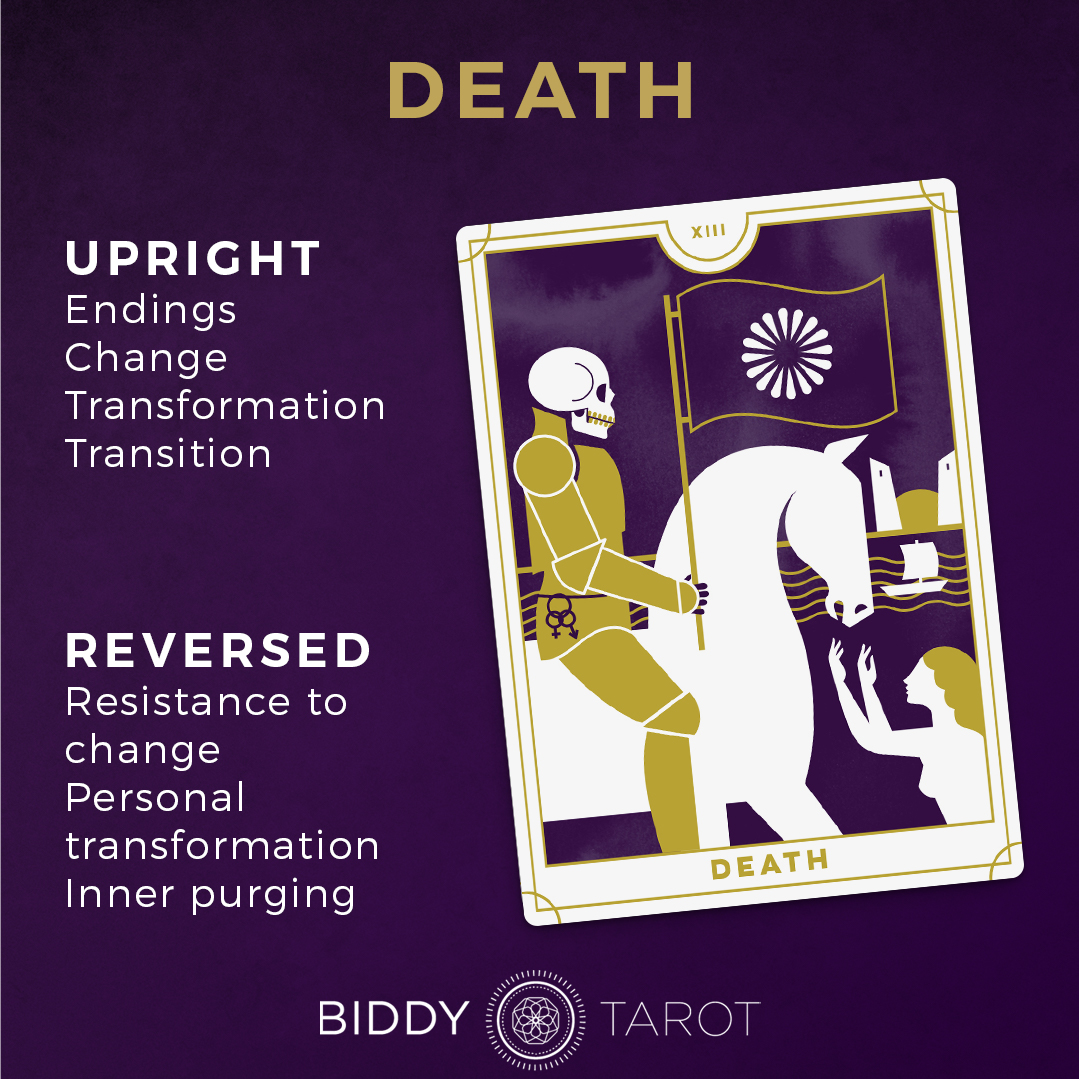
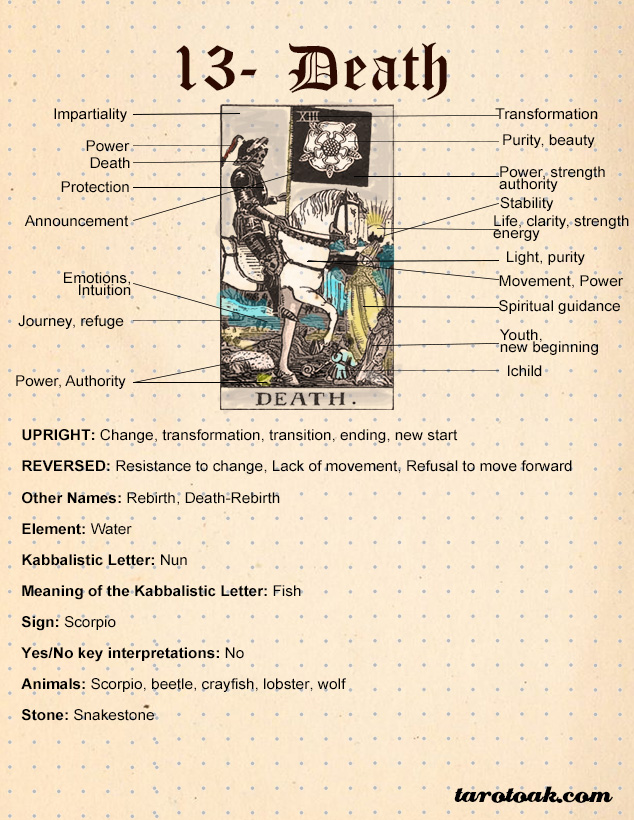
The Death card is perhaps the most iconic symbol in tarot when discussing end-of-life themes. Contrary to popular belief, it rarely signifies physical death in readings. Instead, it represents transformation, endings, and the shedding of old patterns to make way for new beginnings. In the context of mortality, this card can indicate a profound personal evolution—perhaps a spiritual awakening, the release of past burdens, or the acceptance of life’s inevitable cycles. Visually, the card often depicts a skeletal figure on horseback, symbolizing the inevitability of change. When drawn in a reading about dying, it may suggest that the individual is undergoing a significant inner shift, preparing for a transition that is more about spiritual renewal than cessation of life.
Major Arcana Cards and Their End-of-Life Messages
The Major Arcana cards carry some of the most potent messages in tarot, especially when exploring themes of mortality. Below are key cards and their interpretations in the context of end-of-life:
The Tower: Sudden Change and Upheaval
The Tower represents sudden, often traumatic change. In end-of-life readings, it may symbolize an unexpected diagnosis, a rapid decline in health, or a crisis that forces the individual to confront their mortality. While unsettling, this card also suggests that such upheavals can lead to necessary growth, breaking down old structures to rebuild on a firmer foundation. It’s a reminder that even in chaos, there is potential for renewal.
The Hermit: Solitude and Inner Reflection
The Hermit embodies introspection, wisdom, and the search for meaning. In readings about dying, this card may indicate a period of solitude, where the individual withdraws to reflect on their life, seek spiritual clarity, or prepare mentally and emotionally for the transition ahead. It’s a card of deep inner work, suggesting that the final chapter of life is an opportunity for profound self-discovery.
Judgement: Awakening and Reckoning
Judgement signifies awakening, rebirth, and a call to account for one’s life. In the context of mortality, this card may represent a moment of reckoning, where the individual reviews their life’s journey, seeks forgiveness, or experiences a spiritual awakening. It’s a powerful card that underscores the idea that death is not an end but a transition to a higher state of being.
Ten of Cups: Completion and Fulfillment
The Ten of Cups represents emotional fulfillment, harmony, and the completion of a cycle. In end-of-life readings, it may symbolize a life well-lived, filled with love, joy, and meaningful relationships. This card can bring comfort, suggesting that the individual’s journey has been rich with emotional rewards and that their legacy will endure through the connections they’ve fostered.
Minor Arcana and End-of-Life Themes
The Minor Arcana cards provide additional layers of meaning, often reflecting the practical, emotional, and relational aspects of dying. Cards from the Cups suit, in particular, may highlight grief, love, and emotional release. For example:
Three of Cups: Celebration and Community
This card can indicate a gathering of loved ones, a celebration of life, or the importance of community during the final stages. It’s a reminder that even in death, we are surrounded by those who care for us, and that our connections to others are a source of strength.
Five of Swords: Conflict and Resolution
In end-of-life contexts, the Five of Swords may reflect unresolved conflicts, the need for forgiveness, or the process of letting go. It’s a card that encourages resolution, whether through difficult conversations or the acceptance of past grievances.
Practical Considerations: How to Use Tarot for End-of-Life Readings
When using tarot to explore end-of-life themes, approach the practice with reverence and intention. Here are some practical tips:
- Set an Intention: Before drawing cards, clarify your purpose. Are you seeking guidance for a loved one, exploring your own fears about mortality, or looking for spiritual insights? Your intention will shape the reading.
- Use Gentle Language: Frame interpretations in a way that is compassionate and non-judgmental. Avoid language that could cause distress, and focus on the card’s positive or transformative aspects.
- Consider the Querent’s State: Be mindful of the emotional and physical state of the person receiving the reading. If they are grieving or facing a health crisis, tailor your approach to offer comfort and support.
- Focus on Symbolism, Not Prediction: Remember that tarot is a tool for reflection, not a definitive prediction of the future. Use the cards to explore emotions, fears, and hopes rather than seeking concrete answers.
Common Misconceptions About Tarot and Death
Tarot is often shrouded in myths, especially when it comes to end-of-life themes. One of the most persistent misconceptions is that tarot can predict the exact time or manner of someone’s death. In reality, tarot is a symbolic language that reflects the querent’s inner world, fears, and hopes. It does not provide a literal roadmap to the future. Another common misunderstanding is that certain cards, like The Death card, always signify physical death. As explored earlier, these cards are far more likely to represent transformation, endings, and spiritual growth. By dispelling these myths, we can approach tarot with a clearer and more respectful mindset.
Conclusion
Tarot offers a deeply symbolic and introspective way to explore end-of-life themes, providing insights into transformation, acceptance, and spiritual growth. Whether you’re using the cards for personal reflection, supporting a loved one, or seeking to understand the natural cycle of life and death, tarot can serve as a compassionate guide. By approaching these readings with an open heart and a focus on meaning rather than prediction, you can uncover profound wisdom about mortality, legacy, and the enduring connections that transcend life’s final chapter.
FAQ
What does the Death card symbolize in end-of-life tarot readings?
It symbolizes transformation, endings, and spiritual renewal rather than physical death.
How can tarot help when dealing with mortality?
Tarot offers a way to explore emotional, psychological, and spiritual aspects of dying and transition with sensitivity.
Are there any tarot cards that represent sudden change during end-of-life?
Yes, The Tower card represents sudden upheaval and necessary growth during difficult transitions.
What practical advice is recommended for end-of-life tarot readings?
Set clear intentions, use gentle language, consider the querent’s emotional state, and focus on symbolism rather than prediction.
Leave a Reply