Short Answer
In this guide, you’ll explore the profound concept of satiety in tarot, uncovering how these cards reveal the delicate balance between indulgence and excess. You’ll learn to recognize the subtle (and not-so-subtle) messages these cards send about overconsumption, burnout, and the importance of moderation. By the end, you’ll see how tarot can act as a mirror, reflecting not just your desires but the consequences of unchecked appetites—whether they’re emotional, physical, or spiritual. Prepare for a shift in perspective as we dive into the cards that promise to challenge your assumptions and ignite your curiosity about what it truly means to be “full.”
The Satiety Cards: A Wake-Up Call in the Deck
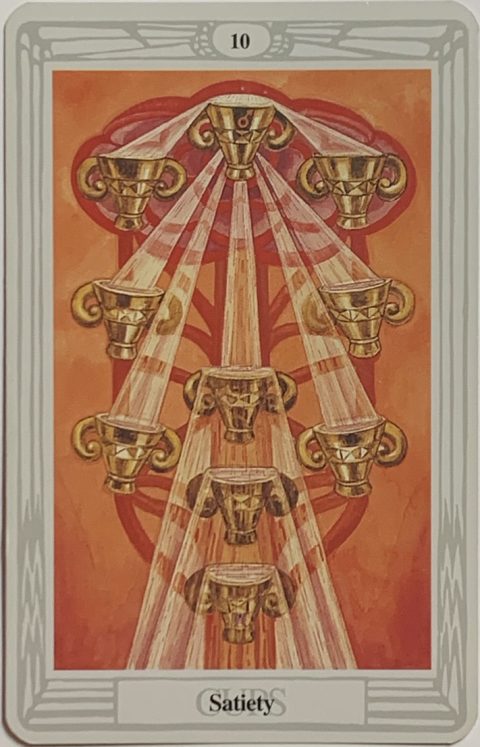
Satiety in tarot isn’t just about being full—it’s about recognizing when you’ve crossed the line from satisfaction to stagnation. These cards often appear when you’re pushing limits, whether in relationships, work, or personal growth. The Ten of Cups, for example, traditionally symbolizes joy and emotional fulfillment, but in the context of satiety, it can warn of complacency. When drawn in this light, it asks: *Are you truly content, or are you numbing yourself to avoid deeper truths?* Similarly, the Five of Pentacles—often linked to financial struggle—can reveal how overindulgence in material comforts might be masking a spiritual or emotional void. These cards don’t just predict outcomes; they demand introspection, urging you to ask whether your current path is sustainable or if it’s leading you toward a breaking point.
Overindulgence in Relationships: When Love Becomes a Crutch
One of the most common areas where satiety manifests is in relationships. The Three of Cups, with its imagery of celebration and camaraderie, can tip into excess when it represents toxic enmeshment—parties that never end, friendships that drain you, or romantic relationships where boundaries dissolve into codependency. These cards highlight the fine line between joy and escapism. Ask yourself: *Are your connections nourishing, or are they a distraction from facing loneliness or unmet needs?* The Knight of Cups, often the “romantic” of the deck, may appear when you’re idealizing a partner or situation to avoid the discomfort of reality. Satiety here isn’t about lack of love; it’s about recognizing when love becomes a substitute for self-worth or personal growth.
Career and Ambition: The Burnout Trap
In the professional realm, satiety cards like the Eight of Pentacles—which depicts diligent craftsmanship—can warn of overworking to the point of burnout. This card, when reversed or interpreted through the lens of satiety, suggests that your dedication has morphed into an obsession, stripping away the joy of achievement. Similarly, the Chariot, a card of determination and control, might reveal a drive that’s become compulsive, leaving you exhausted and disconnected from your original goals. The message? Success without balance is a hollow victory. These cards challenge you to reassess whether your ambition is fueling you or merely filling a void—whether it’s for validation, security, or avoidance of deeper existential questions.
The Shadow Side of Spiritual Fulfillment
Even in spiritual pursuits, satiety can rear its head. The High Priestess, a guardian of intuition and mystery, might appear when you’re using meditation, rituals, or esoteric studies as a way to escape rather than engage with life. Are you seeking enlightenment to avoid confronting mundane responsibilities, or are you using spirituality as a crutch to justify avoiding real-world challenges? The Star, a card of hope and inspiration, can also reflect a passive reliance on cosmic guidance without taking action. Satiety in this context isn’t about rejecting spirituality; it’s about ensuring your practices ground you, rather than anesthetize you.
Recognizing the Signs: How to Tell If You’ve Hit Satiety
How do you know if you’ve crossed into the realm of satiety? Look for these red flags in your tarot readings and daily life:
- Physical Clues: Chronic fatigue, digestive issues, or a general sense of heaviness (literally or metaphorically). The Four of Pentacles—often tied to hoarding or rigid control—can manifest as physical stagnation when overapplied.
- Emotional Indicators: A growing sense of emptiness despite having “everything,” or irritability when your routine is disrupted. The Nine of Swords may appear here, reflecting anxiety born from overthinking or overindulging in worst-case scenarios.
- Behavioral Patterns: Avoidance (e.g., binge-watching, overspending, or numbing with substances) to fill a perceived lack. The Temperance card, when imbalanced, can show up as extremes—too much of one thing (work, pleasure, self-denial) without harmony.
If multiple cards in a spread point to excess—especially Cups (emotions), Pentacles (material world), or Swords (intellect)—it’s time to pause and recalibrate.
Breaking Free: Practical Steps to Rebalance
Satiety cards aren’t just warnings; they’re invitations to realign. Here’s how to shift perspective and reclaim equilibrium:
- Audit Your “Fullness”: Conduct a tarot spread focused on abundance. Ask: *What am I overfeeding? Where am I starving myself?* Draw a card for each area of your life (love, work, health) to identify imbalances.
- Embrace the Pause: The Hanged Man is the ultimate card of surrender. Practice deliberate stillness—whether through meditation, a digital detox, or simply saying “no” to one commitment this week.
- Redefine Success: Instead of chasing “more,” ask what enough looks like. The Six of Pentacles can guide you here, showing how generosity (of time, energy, or resources) can restore balance.
- Set Boundaries with Yourself: Use the Strength card as a reminder that true power lies in restraint. Start small: limit screen time, practice mindful eating, or carve out time for solitude.
Conclusion: The Gift of Satiety
Satiety in tarot is a paradox: it’s both a warning and a blessing. It doesn’t ask you to reject pleasure, ambition, or connection—it asks you to engage with them consciously. These cards reveal that the things we chase to fill ourselves often leave us emptier, while the things we resist (rest, boundaries, solitude) hold the key to true fulfillment. The next time you draw a card that hints at excess, don’t shy away. Instead, lean in. Ask what it’s trying to tell you about your relationship with desire, discipline, and self-care. The shift in perspective it offers isn’t just about avoiding burnout or regret; it’s about rediscovering joy in the *right* measure—not too little, not too much, but just enough to thrive.
FAQ
What does 'satiety' mean in tarot readings?
Satiety in tarot refers to the point where satisfaction becomes excess, signaling a need to reassess balance in various life areas to avoid burnout or stagnation.
Which cards most commonly represent satiety?
Cards like the Ten of Cups, Three of Cups, Eight of Pentacles, The Chariot, The High Priestess, and The Star often indicate satiety or overindulgence when interpreted contextually.
How can tarot help me identify overindulgence in my life?
Tarot readings highlighting repetitive cards associated with excess, fatigue, or avoidance behaviors can reveal areas where you are overindulging or neglecting balance.
What steps can I take after drawing satiety cards?
You can conduct a focused tarot spread to identify imbalances, practice stillness and boundary-setting, redefine what success means to you, and embrace moderation.
Leave a Reply