Short Answer
Welcome to your comprehensive guide to the Rider Waite Tarot deck, one of the most iconic and widely used tarot systems in the world. Whether you’re a beginner seeking foundational knowledge or an experienced reader looking to deepen your understanding, this guide will walk you through the history, symbolism, and meanings of the Rider Waite Tarot cards. You’ll discover how to interpret each card in different contexts—upright and reversed—and explore practical tips for reading the deck effectively. By the end, you’ll have a solid grasp of the deck’s structure and the tools to begin your own tarot journey with confidence.
The Origins and History of the Rider Waite Tarot Deck
The Rider Waite Tarot, first published in 1909, is a 78-card tarot deck that revolutionized the world of divination. Created by artist Pamela Colman Smith under the guidance of mystic A.E. Waite, this deck was the first to illustrate all 78 cards, including the Minor Arcana, which had previously been represented only by suit symbols. The collaboration between Waite, a member of the Hermetic Order of the Golden Dawn, and Smith, a talented artist, resulted in a deck that blended esoteric symbolism with accessible imagery. The name “Rider Waite” comes from the publisher, William Rider & Son, and the deck’s enduring popularity stems from its rich visual language and adaptability to various spiritual traditions.
The deck’s design draws heavily from the Tarot de Marseille, a historic Italian deck, but Smith’s illustrations introduced new scenes and characters that made the cards more relatable. For example, the Fool card, traditionally depicted as a simple figure, became a young man standing at the edge of a cliff, symbolizing new beginnings and spontaneity. This innovation made the Rider Waite Tarot a bridge between traditional esoteric practices and modern spiritual seekers.

Understanding the Structure of the Rider Waite Tarot
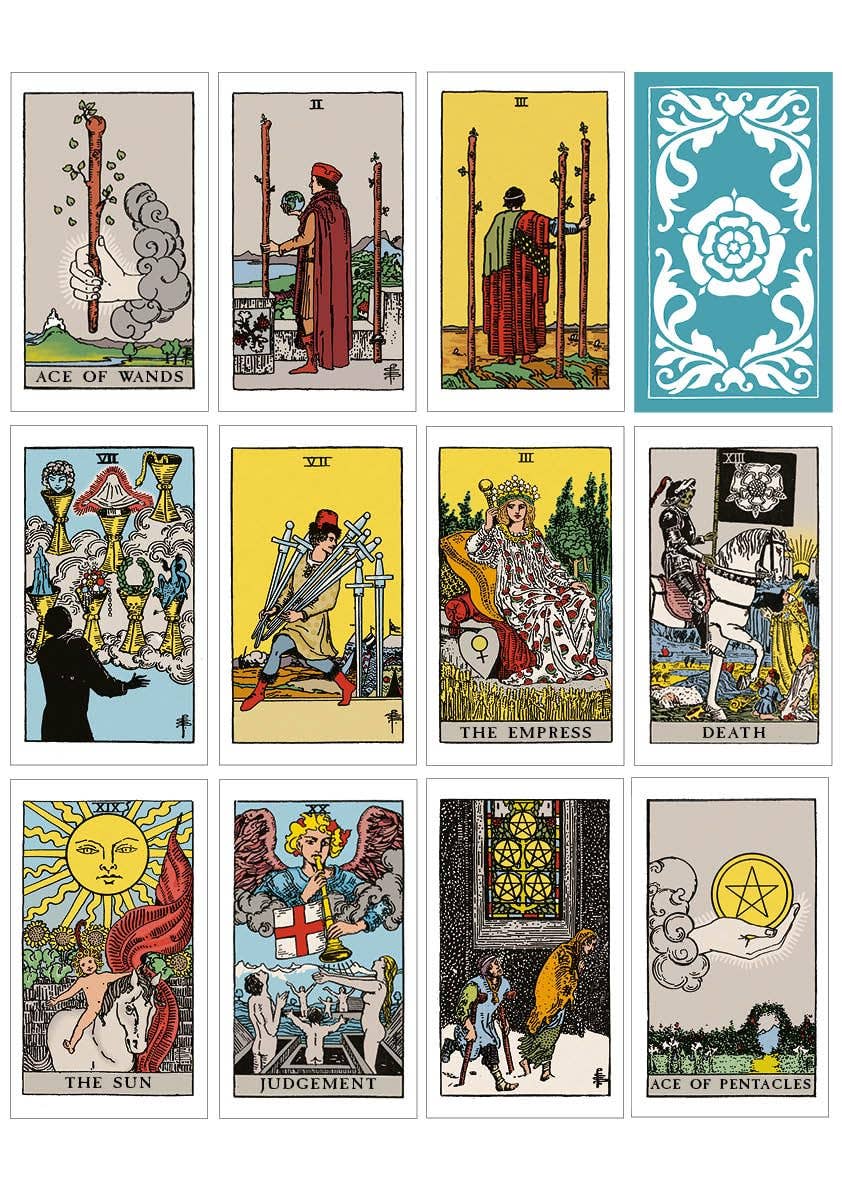
The Rider Waite Tarot consists of two main sections: the Major Arcana and the Minor Arcana. The Major Arcana contains 22 cards, each representing significant life themes, spiritual lessons, and archetypal energies. These cards, numbered from 0 (The Fool) to XXI (The World), follow a narrative arc that mirrors the hero’s journey, from innocence and potential to fulfillment and wisdom. The Minor Arcana, on the other hand, includes 56 cards divided into four suits—Wands, Cups, Swords, and Pentacles—each corresponding to different aspects of daily life. The suits are further divided into numbered cards (Ace through 10) and court cards (Page, Knight, Queen, King).
Each suit in the Minor Arcana is associated with an element: Wands with Fire (creativity and passion), Cups with Water (emotions and relationships), Swords with Air (intellect and conflict), and Pentacles with Earth (material wealth and practicality). This elemental correspondence adds depth to readings, allowing you to interpret the cards in the context of elemental energies. For instance, a Cups card in a reading might highlight emotional matters, while a Swords card could point to challenges requiring mental clarity.
Interpreting the Major Arcana: Archetypal Journeys
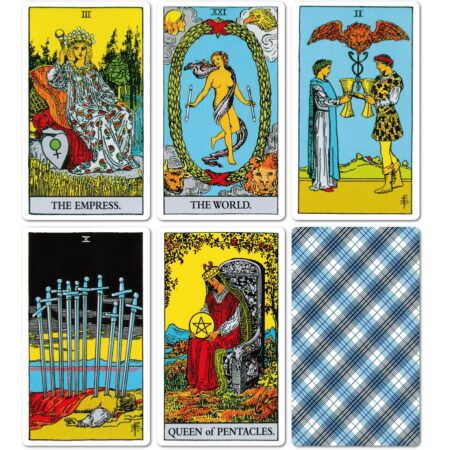
The Major Arcana cards are the heart of the Rider Waite Tarot, representing universal life experiences and spiritual growth. Each card carries profound symbolism, and understanding their meanings is key to unlocking the deck’s wisdom. For example, The Magician (I) symbolizes manifestation and resourcefulness, often depicted with tools representing the four suits at his feet. The High Priestess (II), in contrast, embodies intuition and hidden knowledge, her card featuring a serene figure between two pillars, one black and one white, symbolizing duality and mystery.
Other notable Major Arcana cards include The Lovers (VI), which can represent relationships, choices, or alignment with one’s true path, and Death (XIII), a card often misunderstood as literal death but actually signifying transformation and rebirth. The Tower (XVI) is another powerful card, illustrating sudden upheaval and the breakdown of illusions, while The Star (XVII) offers hope and inspiration after turmoil. Learning the Major Arcana is like memorizing a story—each card builds on the last, creating a narrative of personal and spiritual evolution.
Decoding the Minor Arcana: Daily Life and Practical Matters
The Minor Arcana cards provide insight into everyday situations, offering clarity on challenges, opportunities, and relationships. Unlike the Major Arcana, which deals with grand themes, the Minor Arcana focuses on the nuances of daily existence. For example, the Ace of Wands represents new creative inspiration or a spark of passion, while the Three of Cups celebrates friendship and joyous celebrations. The Five of Swords might indicate conflict or a need to choose one’s battles carefully, and the Ten of Pentacles could signify financial stability or a legacy being passed down.
Each suit in the Minor Arcana has its own themes and messages. Wands often relate to career, ambition, and personal growth; Cups to emotions, love, and intuition; Swords to thoughts, decisions, and communication; and Pentacles to money, health, and material resources. Court cards add another layer of complexity, representing people or personality traits. A Page might symbolize a student or a message, while a Queen could embody nurturing energy or a mature woman in your life. Understanding these nuances allows you to tailor your readings to specific questions or areas of life.
Upright vs. Reversed: Expanding the Meaning of Each Card
In tarot readings, cards can appear upright or reversed, each offering a different perspective on their meaning. An upright card typically represents the card’s traditional or positive interpretation, while a reversed card suggests blocked energy, internal struggles, or a need for introspection. For example, the upright Three of Cups celebrates friendship and community, but reversed, it might indicate gossip, overindulgence, or feelings of isolation. Similarly, the upright Six of Swords represents transition and moving on, while reversed, it could suggest resistance to change or stagnation.
Reversed cards are not necessarily “bad”—they often highlight areas where you need to pay attention or make adjustments. For instance, the reversed Knight of Wands might indicate impulsiveness or a lack of direction, while the upright version suggests enthusiasm and adventure. Learning to interpret reversed cards adds depth to your readings and helps you provide more nuanced guidance to querents. However, some readers prefer to focus solely on upright meanings, especially when first learning the deck, to avoid overcomplicating interpretations.
How to Read the Rider Waite Tarot: Spreads and Techniques
Reading the Rider Waite Tarot effectively requires practice and an understanding of different spreads and techniques. A spread is a layout of cards that provides insight into a specific question or situation. The simplest spread is the single-card draw, ideal for daily reflections or quick guidance. For more detailed readings, the three-card spread (past, present, future) or the Celtic Cross (a 10-card spread) are popular choices. Each position in a spread has a specific meaning, allowing you to weave a cohesive narrative from the cards drawn.
When reading the cards, pay attention to their imagery, symbols, and elemental associations. For example, a reading dominated by Cups cards might suggest a focus on emotions or relationships, while a spread with many Swords could indicate a need for clear communication or decision-making. Additionally, consider the relationships between cards—cards that appear next to each other or in the same suit can create a story or highlight recurring themes. Over time, you’ll develop your own intuitive style and may even create custom spreads tailored to your questions.
Common Misconceptions and How to Avoid Them
One of the most common misconceptions about tarot is that the cards predict the future with absolute certainty. In reality, tarot is a tool for reflection and guidance, offering insights into potential outcomes based on current energies and choices. Another misconception is that reversed cards always indicate negativity—while they can highlight challenges, they also provide opportunities for growth and self-awareness. It’s essential to approach tarot with an open mind and avoid rigid interpretations.
Some beginners also struggle with memorizing the meanings of all 78 cards, leading to frustration. Instead of trying to memorize every detail, focus on understanding the core themes of each card and how they relate to the suits and elements. Over time, familiarity will come naturally as you practice and work with the deck regularly. Additionally, avoid relying solely on guidebooks—trust your intuition and the messages that resonate with you personally.
Conclusion
The Rider Waite Tarot is more than just a deck of cards—it’s a gateway to self-discovery, spiritual growth, and intuitive development. By understanding its history, structure, and symbolism, you’ve taken the first step toward mastering this timeless tool. Whether you use it for personal reflection, divination, or creative inspiration, the Rider Waite Tarot offers endless possibilities for exploration and insight. Remember that tarot is a practice, and the more you engage with it, the more profound your connection to the cards will become. Embrace the journey, trust your intuition, and let the wisdom of the Rider Waite Tarot guide you.
FAQ
What is the Rider Waite Tarot deck?
The Rider Waite Tarot deck is a 78-card tarot deck first published in 1909, known for its detailed illustrations of all cards including the Minor Arcana, created by artist Pamela Colman Smith under the guidance of A.E. Waite.
How are the Rider Waite Tarot cards structured?
The deck consists of 22 Major Arcana cards representing archetypal themes and 56 Minor Arcana cards divided into four suits: Wands, Cups, Swords, and Pentacles.
What do upright and reversed cards mean in readings?
Upright cards generally reflect the traditional meaning of the card, while reversed cards suggest blocked energy, challenges, or the need for deeper reflection.
What are some common tarot spreads to use with the Rider Waite deck?
Popular spreads include the one-card draw for quick insights, the three-card spread illustrating past, present, and future, and the Celtic Cross for more in-depth readings.
Why is the Rider Waite Tarot deck widely used?
Its accessible imagery and rich symbolism make it a preferred choice for both beginners and experienced tarot readers worldwide.
Leave a Reply