Short Answer
Welcome to a deep dive into the mystical world of the Rider Waite Tarot—a deck that has captivated seekers, mystics, and artists for over a century. In this guide, we’ll explore not just the meanings of the cards, but the language of symbols they speak, the psychological insights they offer, and the timeless metaphors they weave into the human experience. Whether you’re a seasoned reader or a curious beginner, this exploration will illuminate how the Rider Waite Tarot transcends mere divination to become a mirror of the soul. By the end, you’ll see why this deck remains the gold standard in tarot—blending art, spirituality, and psychology into a single, luminous language.
The Rider Waite Tarot: A Legacy of Symbolism and Artistry
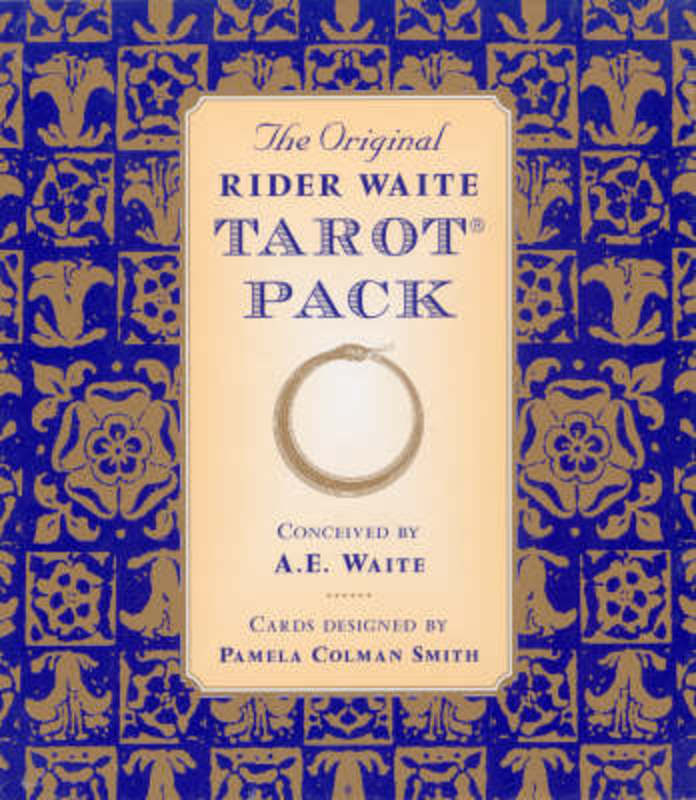
The Rider Waite Tarot, first published in 1909, is more than a deck of cards—it’s a visual symphony where every stroke of the brush and every symbol holds a story. Created by artist Pamela Colman Smith under the guidance of mystic A.E. Waite, this deck broke away from traditional tarot imagery by infusing the Minor Arcana with rich, narrative illustrations. Unlike earlier decks that relied on repetitive patterns, Rider Waite’s cards are alive with characters, landscapes, and emotions, making them instantly relatable.
The deck’s genius lies in its ability to speak to both the rational mind and the subconscious. The Major Arcana, with its archetypal figures like The Fool, The High Priestess, and The Death card, maps the journey of life itself—from innocence to enlightenment. Meanwhile, the Minor Arcana, with its four suits (Wands, Cups, Swords, Pentacles), mirrors the everyday dramas of human existence. This fusion of the mystical and the mundane is what gives the Rider Waite Tarot its enduring appeal.

Decoding the Major Arcana: The Hero’s Journey in 22 Steps
The Major Arcana is the heart of the Rider Waite Tarot, representing life’s pivotal moments, karmic lessons, and spiritual awakenings. Each card is a chapter in a grand narrative—one that resonates with the universal human experience. Let’s explore a few key cards and their metaphorical depths:
- The Fool (0): A carefree traveler at the edge of a cliff, accompanied by a loyal dog. This card embodies beginning, spontaneity, and trust in the unknown. The Fool isn’t reckless—he’s a visionary, stepping into the abyss with childlike wonder. His journey is a reminder that growth requires courage to leap before you look.
- The High Priestess (II): Seated between two pillars, one black and one white, she holds a scroll of hidden wisdom. She represents intuition, mystery, and the subconscious. Her presence asks you to listen to the whispers of your inner voice, for truth often lies beneath the surface.
- The Lovers (VI): Often misinterpreted as purely romantic, this card is about choices, harmony, and alignment. The angel above blesses a union between a man and woman, but the serpent in the background hints at temptation and consequence. It’s a card of discernment—choosing paths that align with your highest good.
- Death (XIII): Skeletal and often feared, this card is rarely about literal death. Instead, it symbolizes transformation, endings, and rebirth. Like the seasons, life requires decay for renewal. The rider on the white horse carries a black flag adorned with a white rose—a paradox of destruction and hope.
Each Major Arcana card is a mirror, reflecting the cyclical nature of existence. They teach that life is not a straight line but a spiral of lessons, where every end is a new beginning.
The Minor Arcana: The Tapestry of Everyday Life
While the Major Arcana maps the soul’s journey, the Minor Arcana grounds the tarot in the fabric of daily life. Divided into four suits—Wands (fire, creativity), Cups (water, emotions), Swords (air, intellect), and Pentacles (earth, material world)—each suit explores a different facet of human experience. The Rider Waite’s genius shines here, as even the simplest scenes are laden with symbolism.
Wands are about passion, ambition, and inspiration. The Ace of Wands, for example, depicts a hand emerging from a cloud holding a sprouting wand—a metaphor for new ideas taking root. The Ten of Wands shows a figure burdened by ten wands, illustrating the weight of responsibility or overcommitment.
Cups dive into the emotional landscape. The Three of Cups shows three women dancing in celebration, a card of joy and friendship. In contrast, the Five of Cups reveals a figure staring at three spilled cups, focusing on loss—yet two full cups stand behind him, a reminder that grief is not the whole story.
Swords cut through illusion with their sharp intellect. The Ace of Swords is a hand holding a sword piercing a crown, symbolizing clarity triumphing over dogma. The Eight of Swords, however, shows a blindfolded woman trapped in a circle of swords—her prison is of her own making, a lesson in mental constraints.
Pentacles anchor the spiritual in the material. The Six of Pentacles depicts a wealthy figure distributing coins, a card of generosity and balance. The Queen of Pentacles, meanwhile, is a nurturing figure surrounded by abundance, embodying prosperity through practicality and care.
The Language of the Rider Waite Tarot: Metaphors That Speak to the Soul
The Rider Waite Tarot’s power lies in its visual storytelling. Unlike abstract symbols, its illustrations are narrative-rich, inviting the reader to engage with the cards on a deeply personal level. Here’s how to unlock their metaphorical language:
- Color Psychology: The deck uses color to evoke emotion. Golds and reds (Wands) ignite passion, blues and greens (Cups) soothe the spirit, whites and blacks (Swords) create stark contrast, and browns and greens (Pentacles) ground the viewer.
- Animal Symbols: Animals in the cards often represent instinctual traits. The lion in Strength embodies inner power, while the dog in The Fool symbolizes loyalty and protection.
- Hand Gestures: The position of hands can reveal hidden meanings. In The Hierophant, the blessing hands represent tradition, while in The Lovers, the hands almost touch—symbolizing a moment of choice.
- Background Elements: The landscape in each card adds context. The stormy sky in The Tower hints at chaos, while the serene garden in The Empress suggests fertility and growth.
By learning to “read” these details, you transform the tarot from a static image into a living dialogue with your subconscious.
Practical Applications: How to Use the Rider Waite Tarot
The Rider Waite Tarot isn’t just for fortune-telling—it’s a tool for self-reflection, decision-making, and creative inspiration. Here’s how to integrate it into your life:
- Daily Draws: Pull one card each morning to set an intention or reflect on the day ahead. For example, drawing The Star might encourage you to trust in the universe’s timing.
- Shadow Work: Use the tarot to explore your inner shadows. The Devil card, for instance, can reveal toxic attachments or self-limiting beliefs.
- Relationship Readings: The Lovers or Two of Cups can shed light on romantic dynamics, while The Tower might signal a necessary upheaval in a partnership.
- Creative Projects: Artists and writers often use the tarot for inspiration. The Magician’s tools (wand, cup, sword, pentacle) can symbolize the elements needed to manifest a project.
Remember, the tarot is a mirror, not a dictator. Its messages are fluid, evolving with your own growth.
Conclusion: Why the Rider Waite Tarot Endures
The Rider Waite Tarot is more than a century old, yet its relevance feels eternal. It speaks in a language that transcends time—one of symbols, emotions, and universal truths. Whether you’re drawn to its artistry, its psychological depth, or its spiritual guidance, the deck offers something profound: a way to see the invisible threads that connect us all.
As you explore its cards, let yourself be surprised. The Fool might appear when you least expect it, The Star might shine when you’re in darkness, and The World might remind you that you’re exactly where you need to be. The Rider Waite Tarot doesn’t just predict the future—it helps you write it, one card at a time.
So shuffle the deck, draw a card, and begin. The journey awaits.
FAQ
What is the Rider Waite Tarot deck?
The Rider Waite Tarot is a popular tarot deck first published in 1909, known for its rich symbolic imagery and narrative illustrations, created by Pamela Colman Smith under A.E. Waite's guidance.
How does the Rider Waite Tarot differ from other decks?
Unlike earlier decks with repetitive patterns, the Rider Waite Tarot features detailed illustrations especially in the Minor Arcana, making the cards more accessible and easier to interpret.
What do the Major Arcana cards represent?
The Major Arcana cards symbolize significant life events, spiritual lessons, and archetypal themes reflecting the human journey.
How can I use the Rider Waite Tarot in daily life?
You can use the deck for daily card draws to set intentions, shadow work to explore inner challenges, relationship readings, and creative inspiration.
Why is symbolism important in the Rider Waite Tarot?
Symbolism in imagery, colors, animals, and gestures helps convey deeper meanings and connects the reader with subconscious insights.
Leave a Reply