Short Answer
Have you ever woken up from a dream so vivid it lingered like a whisper in your mind? Dreams are more than fleeting stories—they are messages from your subconscious, a hidden language of symbols, emotions, and unresolved questions. What if you could decode them? Tarot reading offers a powerful way to interpret these nightly visions, transforming abstract imagery into profound insights. In this guide, you’ll explore how tarot can bridge the gap between your waking life and the mysterious world of dreams, revealing patterns, fears, and opportunities you might otherwise overlook. By the end, you’ll understand how to use tarot spreads specifically designed for dream interpretation, unlocking the secrets your mind is trying to share.
The Subconscious Speaks: Why Dreams Matter
Dreams are the mind’s way of processing emotions, memories, and fears that often go unnoticed during the day. They act as a mirror, reflecting your inner world with startling clarity. When you sleep, your subconscious takes center stage, weaving together fragments of your experiences into stories that feel both familiar and surreal. Ignoring these messages can leave you disconnected from your true self, but tarot provides a structured way to engage with them. Think of dreams as letters from your soul—each symbol, color, and emotion carries meaning. Tarot acts as a translator, helping you decipher these letters into actionable wisdom. Whether it’s a recurring dream of falling or a sudden encounter with a stranger, every detail is a clue waiting to be uncovered.
Tarot as a Dream Decoder: How It Works
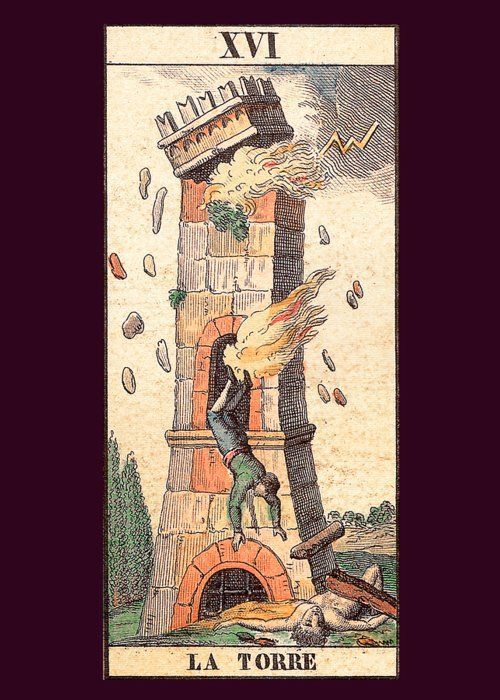
Tarot cards are more than just illustrations; they are archetypes that resonate with universal human experiences. When you pull cards in response to a dream, you’re essentially asking your subconscious to communicate through a shared symbolic language. The Major Arcana, with its powerful figures like The Fool or The High Priestess, often represents the core themes of your dream. For example, dreaming of a storm might align with The Tower card, signaling sudden upheaval or revelation. Meanwhile, the Minor Arcana—divided into suits like Cups (emotions) and Swords (intellect)—helps you zoom in on specific details. A dream about water could tie to the Cups suit, indicating deep emotional currents at play. By combining these elements, tarot creates a narrative that mirrors your dream’s essence, offering clarity on what your mind is trying to convey.
Crafting Your Dream Interpretation Spread
Not all tarot spreads are created equal, especially when it comes to dreams. A spread designed for dream interpretation should balance structure with flexibility, allowing your subconscious to guide the reading. A simple yet effective spread includes five positions: Overall Theme (the dream’s core message), Emotional Undercurrent (how you felt during the dream), Hidden Influences (unconscious factors at play), Outcome (where the dream might lead), and Action Step (how to integrate the insight). For instance, if you dream of being chased, the spread might reveal that the chase symbolizes avoidance in your waking life, with the outcome pointing toward confrontation. Experiment with different layouts to find what resonates—your intuition will often highlight the most relevant cards.
Common Dream Symbols and Their Tarot Counterparts
Dreams are filled with recurring symbols, each carrying its own weight. Below are some of the most frequent dream motifs and their tarot equivalents:
- Water (Oceans, Rivers, Rain): Linked to the Cups suit, water often represents emotions. Calm water may suggest inner peace, while turbulent waves could indicate emotional turmoil. The Eight of Cups might appear here, signaling a need to walk away from draining situations.
- Flying or Falling: These dreams often connect to The Fool (freedom) or The Tower (loss of control). Flying can reflect ambition or escapism, while falling may highlight fears of failure or instability.
- Teeth Falling Out: A classic anxiety dream tied to the Eight of Pentacles (self-doubt) or The Hermit (isolation). It may point to concerns about communication or personal power.
- Being Chased: This scenario frequently aligns with The Chariot (pursuing goals) or Five of Swords (conflict). It often mirrors avoidance or unresolved tension in your life.
- Death or Dying: Contrary to its ominous appearance, this symbol rarely predicts literal death. Instead, it often ties to The Death card—a transformation or rebirth. It might suggest the end of a phase in your life.
By cross-referencing your dream symbols with tarot cards, you can uncover layers of meaning that might otherwise remain hidden.
Interpreting Emotions: The Heart of Dream Analysis
Dreams are as much about how they make you feel as they are about what happens. Tarot excels at translating these emotions into tangible insights. For example, if your dream left you feeling anxious, cards like Three of Swords (heartbreak) or The Moon (illusion) could reveal underlying worries about betrayal or uncertainty. Conversely, a dream that fills you with joy might align with The Sun (happiness) or Six of Cups (nostalgia). Pay attention to the dominant emotions in your dream—they often point to the most pressing areas of your life that need attention. Tarot can help you validate these feelings, showing you that your subconscious is not just random but deeply connected to your reality.
Practical Steps to Integrate Dream Insights
Decoding a dream with tarot is only the first step; the real magic happens when you apply its lessons to your waking life. Start by journaling your dreams immediately upon waking, noting every detail—even the seemingly insignificant ones. Next, pull a tarot card to represent the dream’s core message. Reflect on how this card’s energy mirrors your dream’s themes. Ask yourself: What is my subconscious trying to tell me? Then, take one small action based on the insight. If your dream and tarot reading suggest a need for boundaries, perhaps it’s time to say no to an obligation. If it points to a hidden talent, consider exploring a new hobby. The key is to bridge the gap between dream and reality, using tarot as a tool for self-discovery and growth.
Conclusion
Your dreams are not just random fragments of the night—they are a dialogue between your conscious and subconscious mind, a language of symbols waiting to be understood. Tarot reading transforms these nightly visions into a roadmap for self-awareness, offering clarity on emotions, fears, and hidden desires. By learning to interpret dream symbols through tarot, you gain a powerful tool to navigate your inner world with confidence. Whether you’re drawn to the mystery of The High Priestess or the raw energy of The Tower, each card holds a piece of the puzzle. Start tonight: keep a dream journal, pull a card, and listen closely. Your subconscious is speaking—are you ready to listen?
FAQ
What is tarot dream reading?
Tarot dream reading is a method of using tarot cards to interpret the symbols, emotions, and messages found in dreams to gain insights into the subconscious mind.
How can tarot cards help interpret dreams?
Tarot cards act as archetypal symbols that mirror the themes and emotions of dreams, helping to decode hidden meanings and provide guidance.
What tarot spreads are best for dream interpretation?
A five-card spread focusing on Overall Theme, Emotional Undercurrent, Hidden Influences, Outcome, and Action Step is effective for interpreting dreams.
Are dream symbols universal in tarot?
Many dream symbols align with specific tarot cards, such as water with Cups or falling with The Tower, but personal intuition plays a crucial role in interpretation.
How do I apply tarot dream insights to daily life?
Journaling dreams, pulling tarot cards for core messages, reflecting on their meaning, and taking small actionable steps helps integrate insights into waking life.
Leave a Reply