Short Answer
The Devil tarot card, numbered XV, is often shrouded in misconceptions, especially when viewed through the lens of Christianity. The depiction of the Devil can evoke feelings of fear and trepidation, but what if we took a moment to reevaluate its meaning? Could this card actually hold a deeper relevance beyond its apparent darkness? Herein lies a challenge worth exploring: how can we reconcile the symbolic language of tarot with Christian ideals, particularly when a card like The Devil seems to embody negativity? Let’s delve into this intriguing juxtaposition.
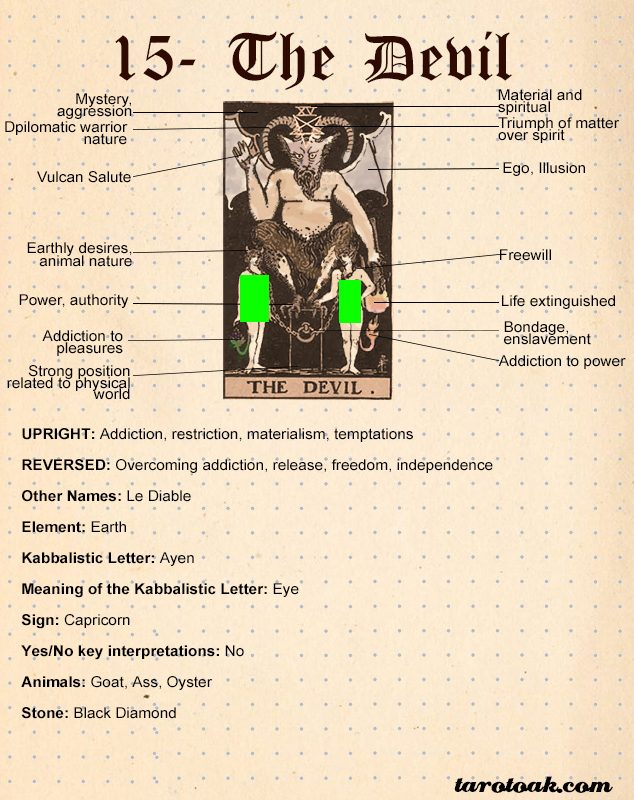
First, it is essential to understand the imagery present in The Devil tarot card. Typically, the card showcases a horned figure, reminiscent of traditional depictions of Satan, flanked by couples bound by chains. This iconography suggests a coupling of bondage and temptation, or so it might seem at first glance. Yet, what does this represent in a broader sense? Could the chains symbolize not only oppression but also the self-imposed limitations that individuals often experience? In the context of Christian morality, this notion aligns with the Biblical concept of sin, which highlights how humanity can become shackled by its own choices.
In Christianity, sin is often articulated as a separation from God, a deviation from divine will. The Devil in this tarot archetype may serve to personify those temptations—representing the struggles one faces on their spiritual journey. Consider the essence of temptation as depicted in the biblical narratives; it is presented not merely as an external force but as an internal struggle. The Devil card can be interpreted as inviting self-reflection. Are there aspects of our lives where we feel chained or bound, perhaps by vice, addiction, or fear?
Moving further into this exploration, the card serves as a reminder that the path to enlightenment is often fraught with challenges. It prompts a contemplative question: In what ways do our earthly desires distract us from our spiritual ascent? The imagery projects a warning; one must remain vigilant, for the very things that offer fleeting pleasure can induce long-term detriment. In this light, The Devil tarot card becomes less about fear and more about awareness of one’s earthly temptations and the quest for transcendence.
When considering The Devil card from a Christian perspective, one cannot ignore the notion of redemption. In Christianity, redemption is attained through acknowledgment of sin and a fervent desire to rise above it. The chains depicted in the card may suggest that while one may feel bound by sin, there exists the potential for liberation through faith and self-awareness. This notion parallels the teachings of Jesus, who emphasized the importance of recognizing our transgressions to achieve forgiveness. Therefore, the card may also be perceived as an encouragement to confront personal demons, thus initiating the journey toward spiritual renewal.
Moreover, the juxtaposition of temptation and freedom within The Devil card provides fertile ground for discourse regarding moral choices. A central tenet of Christian belief revolves around free will—the belief that individuals are sovereign beings capable of choosing between good and evil. The presence of The Devil in the tarot serves as a metaphorical reflection on this very choice. When confronted with temptation, one is faced with a critical juncture; do we succumb to our base instincts, or do we strive for moral integrity? Herein lies the existential challenge inspired by The Devil card.
It is intriguing to note that The Devil can also serve as a conduit for a deeper comprehension of personal power. In Christian thought, one is often imbued with the ability to transcend earthly desires through faith and spiritual practice. The chains depicted may be viewed not as restraints but as a passage into self-discovery. The Devil’s domain is one of illusion; the bindings that appear impenetrable may merely be a projection, and through mindful introspection, individuals can find liberties within. This theme resonates with Biblical scripture that suggests, “And you will know the truth, and the truth will set you free.”
This leads us to consider the implications of The Devil card in the journey of spiritual growth. It serves as an invitation—not solely to reflect upon the shadows in one’s life but to embrace them as catalysts for change. By acknowledging the aspects of ourselves that struggle, we can harness these experiences for transformation. This notion aligns closely with the Christian practice of confession and repentance, where recognizing one’s flaws is the first step in the pursuit of holiness.
As we navigate through this discussion, we must also address the importance of community. In Christianity, the fellowship of believers plays an essential role in nurturing spiritual development. Engaging in open dialogues about personal challenges can dissolve the isolation often felt when grappling with temptation. The imagery of The Devil card can serve as a conversation starter, encouraging individuals to share their learnings and struggles collectively. Here, the challenge transforms from an individual battle into a shared experience fostering support and growth.
Ultimately, The Devil tarot card possesses a multifaceted significance, especially when explored within a Christian framework. Rather than embodying fear, it becomes a mirror reflecting personal conflicts and opportunities for enlightenment. It beckons us to confront our inner demons, suggestive of the duality within human nature, while also emphasizing the potential for redemption through faith and thoughtful introspection. Thus, the card invites us to cherish the transformative power embedded within challenges, reminding us that even in our darkest moments, light can pervade our path to spiritual clarity.
FAQ
What does The Devil tarot card symbolize?
The Devil tarot card symbolizes temptation, bondage, self-imposed limitations, and the struggle between earthly desires and spiritual growth.
How is The Devil tarot card interpreted from a Christian perspective?
From a Christian perspective, The Devil card represents internal struggles with sin, the importance of redemption, free will, and the opportunity for spiritual renewal through faith and introspection.
Does The Devil tarot card always have negative meanings?
Not necessarily. While it often evokes fear, the card can also signify awareness, self-reflection, and the potential for liberation from personal vices and limitations.
What imagery is commonly found on The Devil tarot card?
The card typically depicts a horned figure resembling Satan, with couples bound by chains, symbolizing bondage, temptation, and self-imposed limitations.
Leave a Reply