Short Answer
In this guide, you’ll explore the concept of “The Tower Upside Down” and its equivalence to the reversed Tower tarot card. You’ll uncover why this imagery captivates people, the deeper psychological and symbolic reasons behind its fascination, and how it connects to broader themes of transformation, chaos, and rebirth. By the end, you’ll understand the significance of this powerful symbol and its relevance in both spiritual and everyday contexts.
The Tower Upside Down: A Visual and Symbolic Paradox
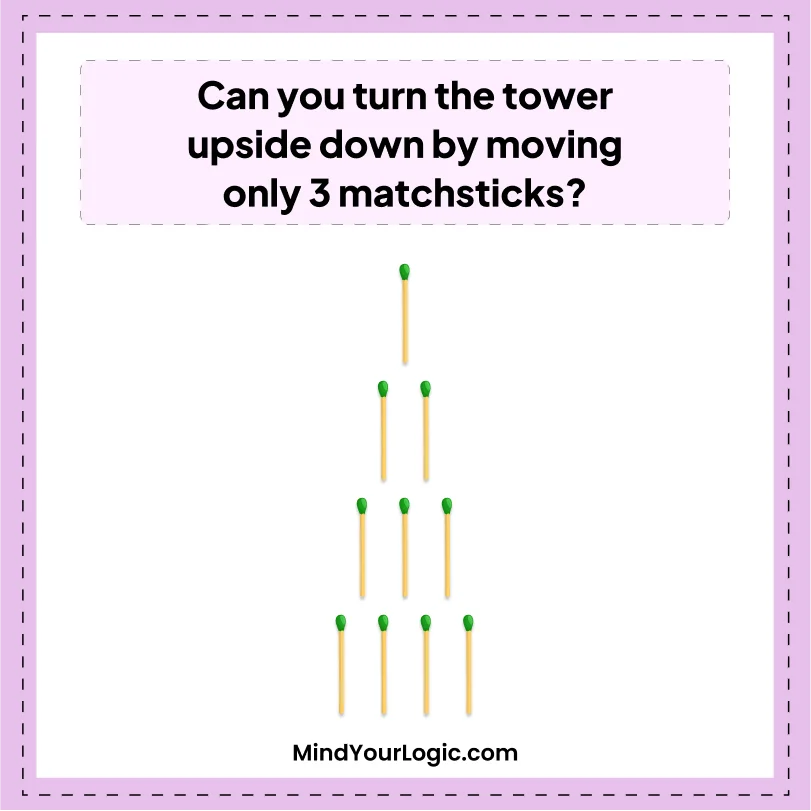
The image of a tower turned upside down is a striking visual representation of instability and reversal. Unlike the upright Tower card in tarot, which depicts a tall structure crumbling under divine wrath, the upside-down version flips this narrative entirely. The foundation remains intact, but the structure itself is inverted, suggesting a world turned on its head. This inversion isn’t just a literal shift—it’s a metaphor for upheaval, where what was once stable is now chaotic, and what was once orderly is now disrupted.
This paradox resonates deeply because it mirrors real-life experiences where expectations collapse, and familiar structures no longer hold. The upside-down Tower forces us to confront the fragility of our assumptions and the inevitability of change. It’s a reminder that even the most solid foundations can be challenged, and sometimes, that disruption is necessary for growth.
The Tower Reversed: Unpacking the Tarot Connection
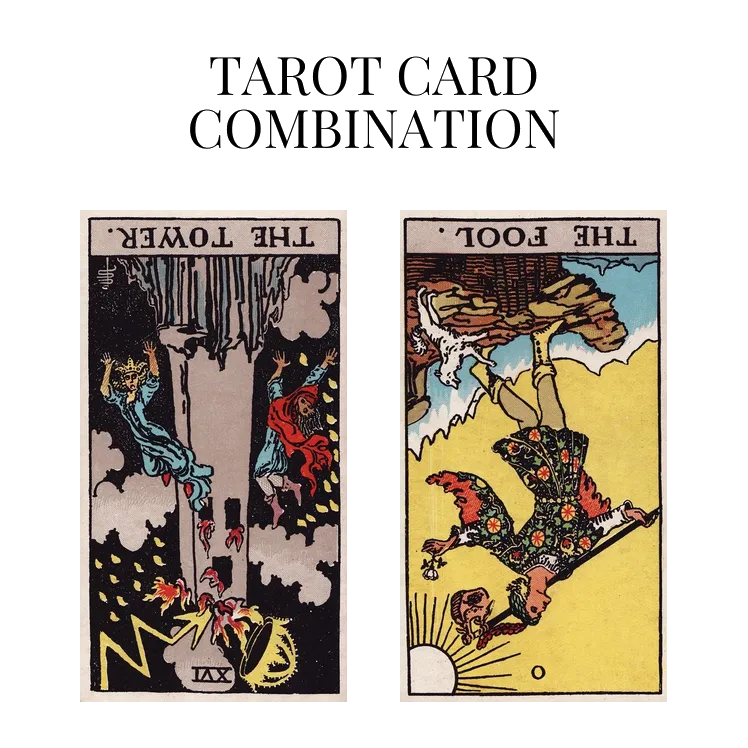
In tarot, The Tower card is often associated with sudden upheaval, revelation, and the collapse of illusions. When drawn in reverse, its meaning shifts subtly but significantly. The reversed Tower doesn’t necessarily indicate a lack of change—instead, it suggests that the upheaval is internalized or delayed. The chaos is still present, but it’s not as immediately visible or acknowledged. This can manifest as prolonged periods of uncertainty, suppressed emotions, or a slow unraveling of structures that were once taken for granted.
The upside-down Tower shares this essence. It implies that the disruption is already underway, even if it’s not outwardly apparent. The reversal serves as a warning or an invitation to prepare for the inevitable shift. Whether in tarot or visual symbolism, the message is clear: resistance to change only prolongs the discomfort. Embracing the upside-down state can lead to a more authentic and resilient path forward.
Why the Upside-Down Tower Fascinates Us: Psychological and Cultural Perspectives
The fascination with the upside-down Tower stems from its ability to evoke primal emotions—fear, curiosity, and a sense of the unknown. Psychologically, it taps into our fear of losing control and the anxiety that comes with uncertainty. Yet, it also holds a strange allure because it represents the potential for rebirth. When a structure is inverted, it’s not just destroyed; it’s transformed into something new and unfamiliar.
Culturally, the Tower has appeared in various forms across myths, religions, and art. From the biblical Tower of Babel to modern dystopian narratives, the theme of a fallen or inverted tower is a recurring motif. It symbolizes the hubris of humanity, the limits of power, and the cyclical nature of rise and fall. The upside-down version amplifies these themes by emphasizing the inevitability of reversal and the need to adapt.
The Deeper Reasons Behind the Fascination: Chaos as a Catalyst for Growth
At its core, the upside-down Tower is a symbol of controlled chaos—a state where the old must fall for the new to emerge. This idea aligns with psychological theories like cognitive dissonance, where holding onto contradictory beliefs leads to discomfort until a resolution is found. The upside-down Tower forces a confrontation with that discomfort, pushing us to question our foundations and seek new truths.
In spiritual traditions, the Tower’s inversion can represent the dark night of the soul—a period of intense inner turmoil that precedes enlightenment. The reversed Tower, whether in tarot or imagery, suggests that this turmoil is already in motion, even if it’s not yet visible. It’s a call to surrender to the process rather than resist it, trusting that the chaos will eventually lead to clarity.
The fascination with this symbol also lies in its duality. It’s both destructive and creative, terrifying and liberating. The upside-down Tower doesn’t just destroy; it reshapes. It doesn’t just confuse; it clarifies. This duality makes it a powerful metaphor for life’s most challenging transitions—career changes, personal crises, or societal shifts—where the only way forward is through the chaos.
Practical Applications: Navigating the Upside-Down Tower in Life
Understanding the upside-down Tower’s symbolism can be a practical tool for navigating life’s disruptions. When faced with instability, ask yourself: What foundations am I clinging to that no longer serve me? What illusions need to be shattered for me to grow? The reversed Tower encourages introspection and adaptability, reminding us that upheaval, while painful, is often necessary for progress.
In creative fields, the upside-down Tower can inspire innovation. Artists, writers, and thinkers often use disruption as a catalyst for new ideas. By embracing the inverted state, they transform chaos into art, chaos into solutions. Similarly, in personal development, the reversed Tower can be a prompt to reassess goals, relationships, and beliefs that no longer align with your true self.
For those drawn to tarot, the reversed Tower can serve as a guide during uncertain times. It’s a reminder to trust the process, even when the path isn’t clear. The upside-down Tower isn’t a sign of failure; it’s a sign of transformation in progress.
Conclusion: Embracing the Upside-Down Tower as a Path to Renewal
The upside-down Tower, whether in visual form or as the reversed tarot card, is more than just a symbol of chaos—it’s a gateway to renewal. It challenges us to confront our fears, question our foundations, and embrace the inevitability of change. While the initial shock of inversion can be daunting, it’s through this disruption that we often find our greatest growth.
Whether you encounter the upside-down Tower in a puzzle, a tarot reading, or your own life experiences, remember that its message is one of resilience and rebirth. The next time you see a structure turned on its head, ask yourself: What is this inversion trying to reveal? And more importantly, how can you use this moment of chaos to build something stronger on the other side?
FAQ
What is the difference between the upright and reversed Tower card?
The upright Tower indicates sudden, external upheaval and destruction, while the reversed or upside-down Tower suggests internalized or delayed change and transformation.
Why does the upside-down Tower fascinate people psychologically?
It evokes primal emotions like fear and curiosity, symbolizing the breakdown of control and the possibility of rebirth, tapping into deep cultural and psychological themes.
Can the reversed Tower be a positive card?
Yes, it can represent necessary internal change, growth through chaos, and the eventual emergence of new clarity and resilience.
How should I interpret the upside-down Tower in a tarot reading?
Consider it a call to face internal disruptions, reassess your foundations, and prepare for transformation, rather than a sign of failure or hopelessness.
Leave a Reply