Short Answer
Welcome to this comprehensive guide on the Grim Reaper Tarot card, commonly known as the Death card. Whether you’re a seasoned tarot reader or a curious beginner, this article will explore the symbolic meanings, interpretations, and cultural significance of this powerful card. You’ll discover why the Death card fascinates so many people and what deeper messages it may hold for your life journey.
The Grim Reaper Tarot Card: More Than Just Death
The Death card in tarot is often misunderstood due to its ominous name and imagery. Contrary to popular belief, the Death card rarely signifies physical death or literal endings. Instead, it represents transformation, change, and the inevitable cycles of life. The Grim Reaper, depicted as a skeletal figure riding a horse, symbolizes the end of one phase to make way for another. This card encourages you to embrace change rather than fear it, as growth often requires shedding old habits, beliefs, or relationships.
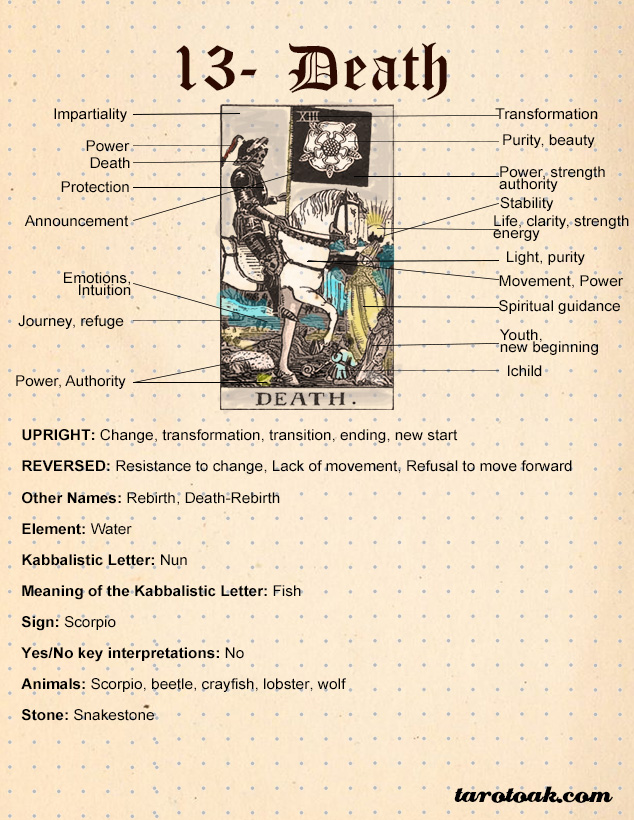
In many tarot decks, the Death card features a rising sun in the background, signifying rebirth and new beginnings. The armored figure on the horse suggests that change can be powerful and even protective, guiding you through transitions with strength. The fallen figures in some versions of the card represent resistance to change, reminding us that clinging to the past can hinder progress.
Why Are People So Fascinated by the Death Card?
One of the most common observations about the Death card is its ability to evoke strong reactions—from fear to intrigue. This fascination stems from humanity’s deep-seated fear of the unknown, particularly the concept of mortality. The Grim Reaper has been a recurring figure in art, literature, and folklore for centuries, embodying both the inevitability of death and the mysteries that lie beyond it. When the Death card appears in a reading, it often prompts individuals to confront their fears about change, loss, or the passage of time.
Another reason for its allure is the card’s association with transformation. Unlike other tarot cards that focus on specific events, the Death card speaks to the universal human experience of evolution. People are drawn to its message of renewal, seeing it as a metaphor for personal reinvention—whether through career shifts, spiritual awakenings, or letting go of toxic relationships. The Death card’s imagery, with its stark contrasts and symbolic depth, also makes it a compelling subject for artists and creators, as seen in the examples provided.
Key Symbols in the Death Card and Their Meanings
The Death card is rich in symbolism, each element offering insights into its deeper message. The Grim Reaper itself is a universal symbol of transition, often depicted with a scythe that cuts through the old to make way for the new. The scythe represents the inevitability of change and the need to “harvest” what no longer serves you. The armored figure on the horse suggests that this process can be both protective and powerful, shielding you from unnecessary harm while guiding you forward.
The rising sun in many versions of the card symbolizes hope and new beginnings. It reminds you that every ending is also a chance for renewal. The fallen figures in the background represent those who resist change, often clinging to outdated ideas or relationships. Their presence serves as a warning: holding on too tightly to the past can prevent growth. Other symbols, such as the black flag with a white rose, may represent purity emerging from darkness or the cyclical nature of life and death.

In some decks, the Death card includes a river or body of water, representing the flow of life and the passage of time. Water can also symbolize emotional cleansing, suggesting that the changes the card brings may involve releasing pent-up feelings or past traumas. The horse, often white or pale, signifies purity and the journey toward enlightenment. Together, these symbols paint a picture of a card that is not about destruction but about the natural order of life’s cycles.
How to Interpret the Death Card in a Reading
When the Death card appears in a tarot spread, its meaning depends heavily on the context of the reading and the surrounding cards. In general, it signals a major transition, whether in your personal life, career, or spiritual journey. This could mean the end of a job, a relationship, or a phase of self-discovery. However, it’s essential to remember that the Death card rarely indicates literal death unless other cards in the spread strongly suggest it.
If the Death card appears in a positive position (e.g., near the outcome of a reading), it may indicate a breakthrough or a fresh start. For example, if you’ve been struggling with a difficult decision, the Death card could signify that it’s time to let go of what’s holding you back. In a career reading, it might suggest leaving a stagnant job to pursue a more fulfilling path. Conversely, if the Death card appears in a challenging position, it could warn against resisting necessary changes or clinging to outdated patterns.
To gain deeper clarity, pay attention to the imagery and symbols in the specific deck you’re using. Some decks, like the Rider-Waite-Smith, emphasize the card’s transformative aspects, while others, such as the Thoth deck, may focus more on the esoteric or mystical interpretations. The Death card’s message is ultimately about surrendering to the natural flow of life and trusting that endings are merely preludes to new beginnings.
Common Misconceptions About the Death Card
One of the most persistent misconceptions about the Death card is that it predicts physical death. While this is a rare interpretation, it’s not the card’s primary message. The Death card is far more concerned with psychological, emotional, and spiritual transformations. Another common misunderstanding is that the card always signifies a negative outcome. In reality, the Death card can herald some of the most liberating and empowering experiences in a person’s life, such as overcoming addiction, leaving a toxic environment, or embracing a new identity.
Some people also associate the Death card with bad luck or misfortune, which can create unnecessary anxiety when it appears in a reading. However, this perspective overlooks the card’s role as a catalyst for growth. The changes it brings may be challenging, but they are almost always necessary for long-term fulfillment. It’s also worth noting that the Death card rarely appears alone; its meaning is often clarified by the cards that surround it in a spread.
Practical Ways to Work with the Death Card’s Energy
If you frequently encounter the Death card in your readings or feel drawn to its symbolism, there are practical ways to work with its energy in your daily life. Start by reflecting on areas where you may be resisting change. Are there habits, relationships, or beliefs that no longer serve you? Journaling or meditation can help you identify these patterns and prepare for transformation. You might also consider rituals that symbolize release, such as burning old letters, decluttering your space, or practicing forgiveness.
Another approach is to embrace the Death card’s association with rebirth. Set intentions for what you’d like to manifest in the next phase of your life. This could involve learning a new skill, deepening a spiritual practice, or simply adopting a more open-minded attitude toward change. Surrounding yourself with imagery of the Death card—such as art prints or tarot decks—can serve as a reminder of its empowering message. For example, the posters and prints available in the data provided could inspire you to reflect on the card’s themes of transition and renewal.

It’s also helpful to remember that the Death card’s energy is not something to fear but to harness. When you align with its message of evolution, you’ll find that change becomes less daunting and more like an adventure. Trust that the universe is guiding you toward growth, even when the path isn’t immediately clear.
Conclusion
The Grim Reaper Tarot card, or the Death card, is one of the most misunderstood and yet profoundly transformative cards in the tarot deck. Far from predicting doom, it invites you to embrace change, release what no longer serves you, and welcome new beginnings with open arms. Its imagery—filled with symbols of transition, rebirth, and renewal—serves as a powerful reminder that life is a series of cycles, each one offering an opportunity for growth.
Whether the Death card appears in your readings or simply captures your imagination, its message is clear: endings are not to be feared but celebrated as the necessary precursors to transformation. By understanding its deeper meanings and working with its energy, you can navigate life’s transitions with greater confidence and grace. So the next time you encounter the Death card, remember that it’s not a warning but an invitation—to let go, evolve, and rise anew.
FAQ
What does the Death card mean in tarot?
The Death card generally signifies transformation, endings, and new beginnings rather than literal death.
Is the Death card a bad omen?
No, it often represents necessary change and personal growth, which can be positive despite initial challenges.
What are the key symbols on the Death card?
Symbols include the Grim Reaper with a scythe, the rising sun, fallen figures, and the armored horseman, each representing aspects of transition.
How should I react when I draw the Death card?
Embrace the message of change and renewal; consider what areas of your life need transformation.
Can the Death card appear reversed?
Yes, reversed it may indicate resistance to change or difficulty letting go of the past.
Leave a Reply