Short Answer
The Death Tarot card often sparks fear and misunderstanding due to its ominous name, but its true meaning is far from literal. In this guide, you’ll discover what the Death card truly represents—transformation, endings, and rebirth—and how to interpret it in your readings. You’ll also explore its challenges and playful questions to deepen your understanding. By the end, you’ll see why this card is one of the most empowering in the Tarot deck.
The Death Tarot Card: A Symbol of Transformation
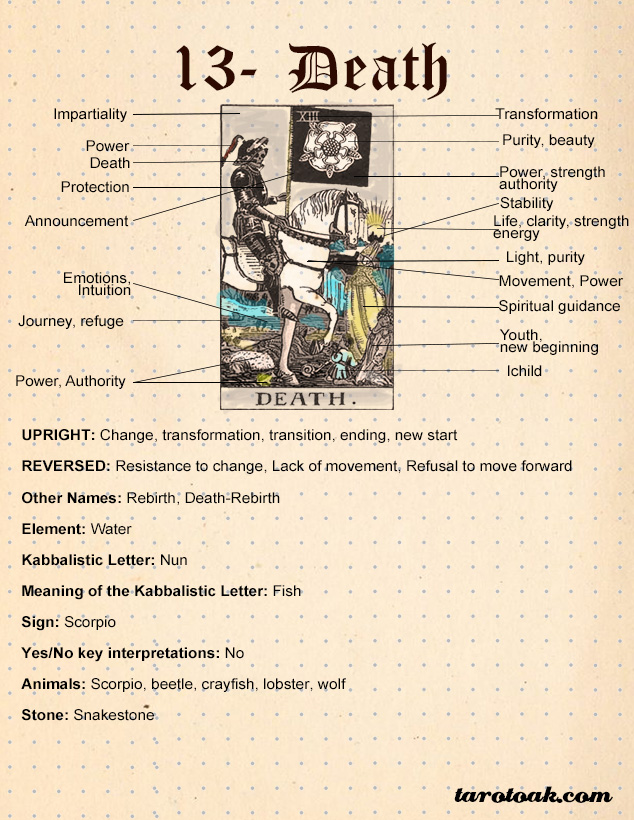
The Death card, numbered XIII in the Major Arcana, is not about physical death but about profound change. It signifies the end of one phase to make way for another, much like the seasons or the phases of the moon. When this card appears in a reading, it suggests that something in your life is concluding—whether it’s a relationship, a job, a habit, or a mindset—to allow for growth and renewal.
Imagine a caterpillar transforming into a butterfly. The old form dissolves to create something entirely new and beautiful. The Death card works similarly; it signals that you’re shedding an old skin to embrace a fresh start. This could mean letting go of toxic relationships, outdated beliefs, or stagnant routines. The key is to recognize that endings are necessary for progress.

Common Misconceptions About the Death Card
One of the biggest challenges with the Death card is overcoming its intimidating reputation. Many people associate it with literal death or disaster, but this is a misconception perpetuated by its name. In reality, the Death card is about metamorphosis, not mortality. It’s a card of liberation, urging you to release what no longer serves you.
Another common misunderstanding is that the Death card always indicates a negative outcome. While it can signal difficult transitions, it’s ultimately a card of hope. It reminds you that endings are a natural part of life’s cycle and that closure paves the way for new opportunities. The challenge lies in trusting the process, even when it feels uncomfortable.
How to Interpret the Death Card in Different Contexts
The meaning of the Death card can shift depending on its position in a spread or the question asked. Here’s how to interpret it in various scenarios:
- Love and Relationships: If you’re single, the Death card may indicate the end of a past relationship to make room for a new one. In a relationship, it could suggest a major transformation, such as moving in together, breaking up, or rekindling an old flame. The card encourages you to embrace change rather than cling to the past.
- Career and Finances: This card might signal the end of a job, a career shift, or the closure of a business venture. It’s a sign to let go of what isn’t working and pursue something more aligned with your goals. Financially, it could mean cutting unnecessary expenses or ending a draining financial commitment.
- Health: In health readings, the Death card often points to the need for a lifestyle change. This could mean adopting a new diet, starting an exercise routine, or addressing a chronic issue. It’s a reminder that your body is constantly evolving, and you have the power to shape its future.
- Personal Growth: This card is a powerful indicator of spiritual or emotional transformation. It may suggest that you’re outgrowing old patterns, beliefs, or even friendships. The challenge is to surrender to the process without resistance, trusting that the universe is guiding you toward a better version of yourself.
A Playful Question to Explore the Death Card’s Message
To deepen your connection with the Death card, try asking yourself this playful yet thought-provoking question:
“If my current life were a chapter in a book, what would the title of this chapter be, and what would the next one be about?”
This question encourages you to reflect on where you are in your journey and what you’re ready to leave behind. It also invites you to envision the possibilities that await after the transition. The Death card isn’t about dwelling on loss; it’s about celebrating the potential that comes with change.
The Challenge of Letting Go
While the Death card promises renewal, the process of letting go isn’t always easy. The challenge lies in facing the discomfort of endings and trusting that something better will follow. This card asks you to examine what you’re holding onto out of fear rather than necessity. Are you staying in a job because it pays the bills, or because it fulfills you? Are you staying in a relationship because it’s comfortable, or because it brings you joy?
Another layer of the challenge is surrendering control. The Death card teaches that some things are beyond your control, and resistance only prolongs the pain. Instead of fighting the inevitable, practice acceptance. Ask yourself: What can I learn from this ending? or How can I grow from this experience?

How to Work With the Death Card’s Energy
If the Death card appears in your reading, there are several ways to harness its energy for positive change:
- Journaling: Write about what you’re ready to release. Describe the emotions tied to this ending and how you envision your future without it.
- Rituals: Create a symbolic ritual to honor the end of this phase. This could be burning old letters, donating items you no longer need, or even writing a letter to your past self.
- Meditation: Visualize the Death card’s energy as a force of renewal. Imagine a phoenix rising from the ashes, or a snake shedding its skin. Let this imagery inspire you to embrace change.
- Affirmations: Use positive affirmations to reinforce your readiness for transformation. Examples include: “I trust the process of change,” “I release what no longer serves me,” or “I welcome new beginnings with open arms.”
Conclusion
The Death Tarot card is a powerful reminder that endings are not to be feared but embraced. It’s a card of rebirth, urging you to let go of what’s holding you back so you can step into a brighter future. While the transition may feel daunting, the Death card assures you that every ending is a new beginning in disguise. By asking the right questions, facing the challenge of letting go, and working with its energy, you can transform fear into empowerment. Remember, the Death card isn’t about destruction—it’s about creation.
FAQ
What does the Death Tarot card symbolize?
The Death Tarot card symbolizes transformation, endings, and rebirth, rather than literal death.
How should I interpret the Death card in a love reading?
In a love reading, the Death card may indicate the end of a past relationship or a significant transformation in an existing one.
What are common misconceptions about the Death card?
Many people mistakenly associate the Death card with literal death or negative outcomes, while it actually signifies necessary change and new beginnings.
Leave a Reply