Short Answer
In this guide, you’ll explore the profound and often misunderstood symbolism of the Mortem Tarot, particularly the Death card. Many people associate this card with literal endings, but its true meaning runs far deeper. You’ll learn how to interpret its messages, uncover its historical roots, and understand why it continues to captivate tarot enthusiasts. By the end, you’ll see Death not as an omen of doom, but as a transformative force—a reminder that endings are necessary for new beginnings.
The Mortem Tarot: Beyond the Surface Fear
The Mortem Tarot, often represented by the Death card, is one of the most feared cards in the deck. Its skeletal figure and scythe evoke images of loss and finality, leading many to dread its appearance in a reading. However, this card is not about physical death. Instead, it symbolizes transformation, rebirth, and the inevitable cycles of change. The Mortem Tarot teaches that what appears to be an ending is often the precursor to a profound metamorphosis.
Historically, the Death card has roots in medieval European imagery, where skeletal figures were used to remind people of life’s impermanence. Over time, tarot evolved to incorporate these symbols into a more nuanced narrative. The Mortem Tarot, therefore, is less about literal death and more about the death of old habits, relationships, or ways of thinking. It invites you to release what no longer serves you, making space for growth and renewal.
Decoding the Mortem Tarot’s Symbolism
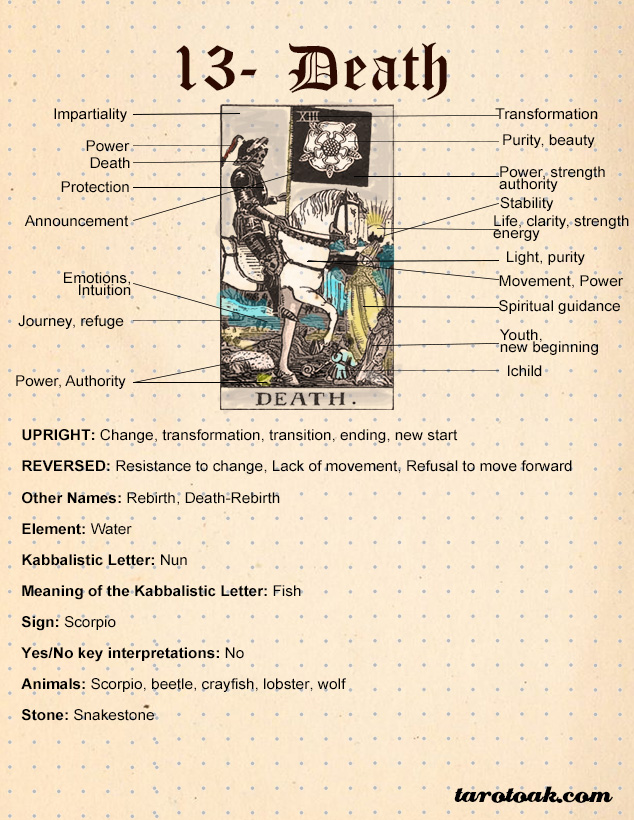
The imagery of the Mortem Tarot is rich with meaning. The skeletal figure, often riding a white horse, represents the inevitability of change. The white horse symbolizes purity and the transition from one state to another, while the rising sun in the background suggests hope and new beginnings. The fallen figures in the card are not victims but participants in a natural process—shedding their past selves to embrace the future.
Another key element is the scythe, which cuts through the old to make way for the new. This tool is not a weapon but a symbol of precision and purpose. It reminds you that change, though sometimes painful, is necessary for progress. The Mortem Tarot also often features a rising phoenix or a blooming flower, further emphasizing the theme of rebirth. These symbols reinforce the idea that what seems like an ending is merely a transition to something greater.
Common Misconceptions About the Mortem Tarot
One of the biggest misconceptions about the Mortem Tarot is that it predicts physical death. While this fear is understandable, it’s important to recognize that the card’s primary message is about metaphorical death. It may indicate the end of a job, a relationship, or a phase in your life, but it does not foretell literal demise. The Mortem Tarot is a guide for navigating life’s transitions, not a harbinger of doom.
Another misconception is that the Death card always signifies a negative event. In reality, its appearance in a reading can be a positive sign. It may signal the release of toxic patterns, the closure of a chapter that no longer serves you, or the beginning of a spiritual awakening. The Mortem Tarot encourages you to trust the process of change, even when it feels uncomfortable. It’s a reminder that endings are not failures but necessary steps toward growth.
The Mortem Tarot in Different Decks
The Mortem Tarot can vary significantly across different decks, each offering a unique interpretation of the Death card. For example, in the Rider-Waite-Smith deck, the figure is skeletal and rides a white horse, symbolizing purity and transition. In contrast, the Thoth deck presents Death as a more abstract figure, emphasizing the card’s spiritual and alchemical aspects. The Mortem Tarot itself often features darker, more gothic imagery, reflecting its themes of transformation and the macabre.
Some modern decks, like the Post Mortem Tarot, lean into the card’s eerie aesthetic, using skulls, graveyards, and other morbid symbols to convey its message. These visual choices can make the Mortem Tarot feel more intense, but they also highlight its core theme: change is not always gentle, but it is always necessary. Whether the imagery is traditional or avant-garde, the Mortem Tarot’s message remains consistent—embrace the cycle of life and death as a natural part of existence.
How to Interpret the Mortem Tarot in Readings
When the Mortem Tarot appears in a reading, it’s essential to consider the context of the spread. If it’s surrounded by positive cards, it may indicate a positive transformation, such as a career change or the end of a toxic relationship. If it’s paired with challenging cards, it could suggest that you’re resisting necessary change. The Mortem Tarot asks you to reflect on what parts of your life are no longer serving you and to let go with grace.
To interpret the Mortem Tarot accurately, pay attention to your intuition. Ask yourself: What is ending in my life right now? What fears am I holding onto that no longer serve me? The card may also appear when you’re on the cusp of a major life shift, such as moving to a new place, starting a new relationship, or embarking on a spiritual journey. The Mortem Tarot is a call to action—it urges you to release the past and step into the unknown with courage.
Why the Mortem Tarot Fascinates Us
The Mortem Tarot’s enduring appeal lies in its ability to confront one of humanity’s greatest fears: the unknown. Death, in all its forms, is a universal experience, and the Mortem Tarot gives us a framework to explore it. Its imagery is striking and memorable, making it a card that lingers in the mind long after a reading. The Mortem Tarot also taps into our fascination with the macabre, offering a safe space to explore taboo subjects like mortality and loss.
Moreover, the Mortem Tarot resonates because it reflects the human experience of change. We all face moments when we must let go of the familiar to grow. The Mortem Tarot validates these feelings, reminding us that endings are not the enemy but the foundation of new beginnings. Its popularity in modern tarot culture speaks to our collective desire to understand and navigate life’s transitions with wisdom and grace.
Conclusion
The Mortem Tarot is far more than a card of doom—it’s a powerful symbol of transformation and renewal. By understanding its true meaning, you can shift your perspective from fear to acceptance, recognizing that endings are merely the prelude to new beginnings. Whether you encounter the Mortem Tarot in a reading or simply admire its striking imagery, remember that its message is one of hope. Change is inevitable, but growth is optional. The Mortem Tarot invites you to embrace the cycle of life and death, trusting that every ending carries the seed of something greater.
FAQ
What does the Death card in Mortem Tarot symbolize?
The Death card symbolizes transformation, rebirth, and the necessary endings that lead to new beginnings.
Is the Death card a prediction of physical death?
No, it primarily represents metaphorical death, such as the end of a phase or habit, not literal demise.
Leave a Reply