Short Answer
The Three of Swords tarot card often appears as a harbinger of emotional pain, heartbreak, and difficult truths. Yet beneath its stormy imagery lies a powerful promise of transformation and renewal. In this guide, you’ll explore the deep symbolism of this card, uncover its lessons on healing, and discover how it can guide you toward a shift in perspective. Whether you’re navigating a personal crisis or seeking clarity after loss, the Three of Swords offers a path forward—one that demands courage but rewards resilience.
The Symbolism of the Three of Swords
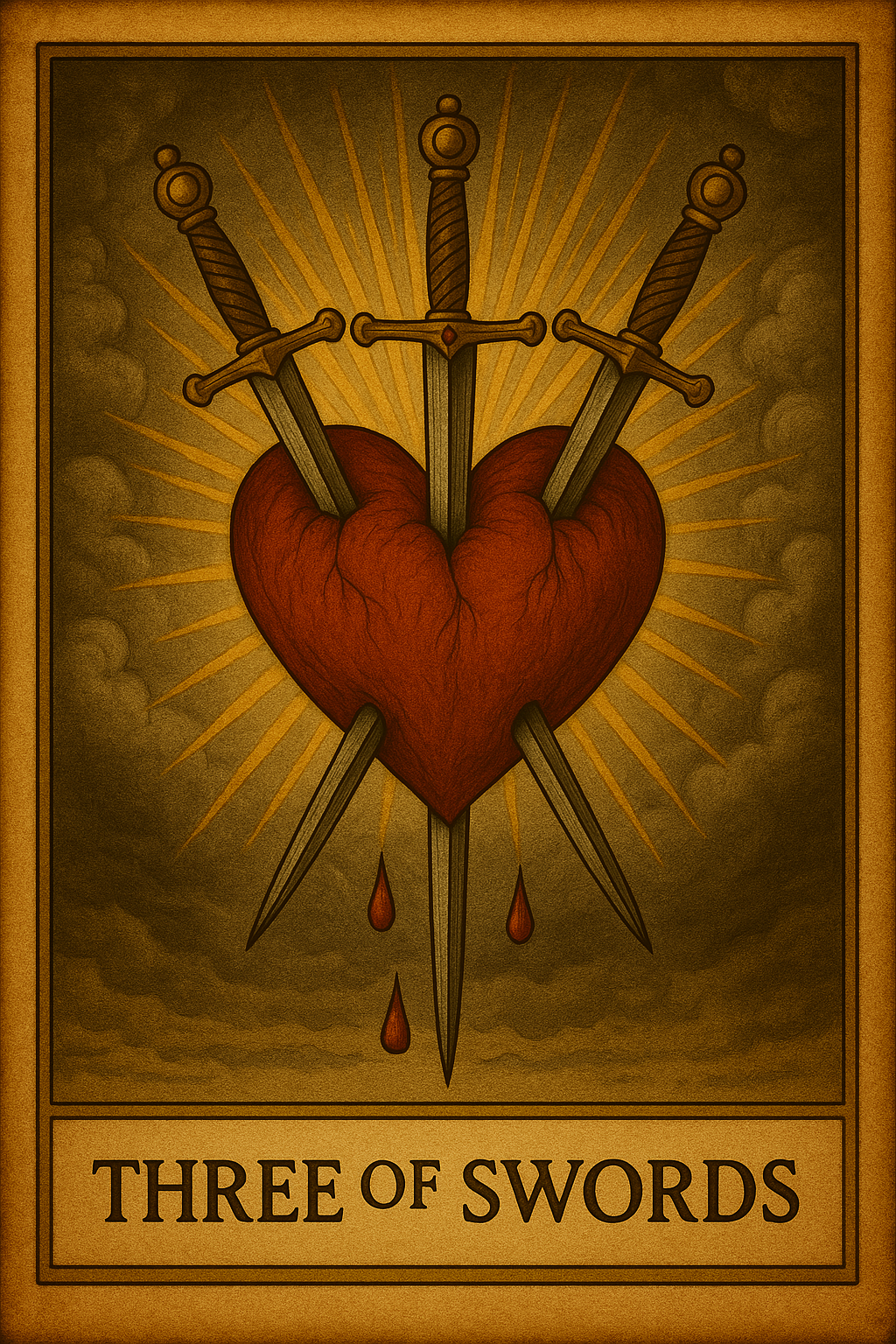
The Three of Swords is one of the most visually striking cards in the tarot deck. It typically depicts a heart pierced by three swords, often against a stormy sky, with raindrops symbolizing tears. This imagery speaks to the pain of betrayal, loss, or unmet expectations, but it also hints at the inevitability of suffering as part of the human experience.
The heart represents love, emotion, and vulnerability, while the swords signify the sharpness of truth and the wounds inflicted by words or actions. The stormy backdrop underscores the turbulence of the moment, yet it also suggests that this pain is temporary. Over time, the rain will clear, leaving space for growth and reflection. The card’s symbolism invites you to acknowledge your pain without letting it define you, recognizing that healing begins with acceptance.

Heartbreak as a Catalyst for Growth
At its core, the Three of Swords is about heartbreak—not just in romantic relationships, but in any area of life where expectations clash with reality. This could manifest as the end of a friendship, a career setback, or the loss of a dream. The pain feels raw and unavoidable, but the card’s message is clear: heartbreak is not the end of your story. Instead, it’s a turning point that forces you to confront what truly matters.
Consider the ways in which heartbreak reshapes your priorities. After a breakup, you might rediscover old passions or realize the importance of self-worth. A professional disappointment could redirect you toward a more fulfilling path. The Three of Swords teaches that while the wound is real, it is also a teacher. The key is to avoid getting stuck in the pain and instead ask: What is this experience teaching me?
The Role of Truth in Healing
One of the most challenging aspects of the Three of Swords is the confrontation with harsh truths. Whether it’s an unspoken betrayal, a harsh reality you’ve been avoiding, or a truth about yourself you’d rather not face, this card demands honesty. Avoiding the truth only prolongs the suffering; embracing it, however painful, is the first step toward healing.
Truth, in this context, isn’t just about external events—it’s also about your internal narrative. Are you holding onto a story that no longer serves you? The Three of Swords asks you to examine the beliefs and assumptions that may have contributed to your pain. For example, if you’ve been clinging to the idea that a relationship was perfect, the card might reveal the cracks that were always there. This isn’t about blame; it’s about clarity. Once you see the truth, you can make choices that align with your highest good.
This process of uncovering truth can feel like a storm clearing the air. The initial shock may be overwhelming, but it paves the way for a deeper understanding of yourself and your circumstances. The Three of Swords doesn’t just bring pain—it brings the opportunity to rebuild on a foundation of authenticity.
Shifting Perspective: From Victim to Survivor
The Three of Swords isn’t just about enduring pain; it’s about transforming it. The shift in perspective it promises comes when you move from seeing yourself as a victim of circumstance to recognizing your resilience. This card encourages you to ask: How can I grow from this? rather than Why did this happen to me?
One way to facilitate this shift is through reframing your narrative. Instead of focusing on the loss, consider what the experience has given you—strength, wisdom, or a clearer sense of your boundaries. The Three of Swords teaches that pain, while unavoidable, doesn’t have to be permanent. It’s a chapter in your story, not the entire book.
Practically, this might mean journaling to process your emotions, seeking support from loved ones, or engaging in creative outlets like art or music. The goal isn’t to rush the healing process but to actively participate in it. Over time, the sharp edges of the pain will soften, and you’ll find yourself standing on new ground.
Healing Rituals and Practices
While the Three of Swords marks a period of pain, it also signals the beginning of healing. Incorporating intentional practices can help you navigate this transition with grace. Here are a few suggestions:
- Self-Compassion: Treat yourself with the same kindness you’d offer a friend. Acknowledge your pain without judgment and remind yourself that healing takes time.
- Creative Expression: Use art, writing, or music to channel your emotions. Creating something from your pain can transform it into something meaningful.
- Nature Therapy: Spend time outdoors to ground yourself. The natural world has a way of reminding us that even storms pass.
- Boundaries: If the pain stems from a relationship, consider what boundaries you need to protect your emotional well-being. The Three of Swords reminds you that self-preservation isn’t selfish—it’s necessary.
- Mindfulness: Practice being present with your emotions without letting them overwhelm you. Meditation or breathwork can help you stay centered during turbulent times.
When the Three of Swords Appears in Readings
If the Three of Swords appears in a tarot reading, it’s a sign to prepare for emotional challenges ahead. However, it’s also a reminder that these challenges are temporary and that healing is possible. Pay attention to the context of the reading—is the card pointing to a specific relationship, decision, or personal struggle? The more you understand the source of the pain, the better equipped you’ll be to address it.
In some cases, the Three of Swords may indicate that you’re avoiding a difficult truth. If this resonates, ask yourself what you’ve been reluctant to face. The card’s energy is intense, but it’s also a call to action. Ignoring the message will only prolong the suffering; facing it head-on will lead to resolution.
If the card appears in a past position, it suggests that you’ve already weathered a significant emotional storm. Reflect on how you’ve grown from that experience and how it has shaped your resilience. If it appears in a future position, it’s a warning to prepare for potential heartache—but also an encouragement to trust in your ability to heal.
Conclusion
The Three of Swords is a card of paradox: it brings pain but also the promise of renewal. It forces you to confront harsh truths but also offers the tools to rebuild your life with greater wisdom and strength. While heartbreak is never easy, it is a universal experience that connects us all. The key is to allow this pain to refine you rather than define you.
As you move through the stormy energy of the Three of Swords, remember that every tear shed is a step toward clarity. Every wound is a lesson in disguise. And every heartbreak is a testament to your capacity for love and resilience. Trust that the pain you feel today is not the end of your story—it’s the beginning of a chapter where truth and healing take center stage.
FAQ
What does the Three of Swords tarot card mean?
The Three of Swords symbolizes heartbreak, emotional pain, and the importance of confronting difficult truths, ultimately guiding you toward healing and resilience.
How can the Three of Swords guide my healing process?
It encourages you to acknowledge your pain, confront harsh truths, and shift your perspective from victimhood to empowerment through personal growth.

Leave a Reply