Short Answer
Within the realm of divination, tarot cards serve as a mesmerizing conduit through which the subconscious can communicate profound insights. To many, these cards weave a tapestry intertwined with mystical themes, personal introspection, and esoteric revelations. However, for those who embrace a Christian perspective, the symbology of tarot can evoke an intriguing interplay of tradition, faith, and individual discernment. Herein, we explore three compelling tarot card combinations that resonate deeply with Christian tenets, revealing their intrinsic meanings and unique appeal.
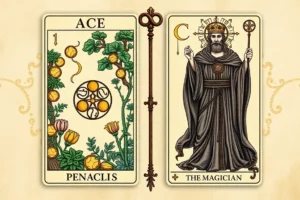
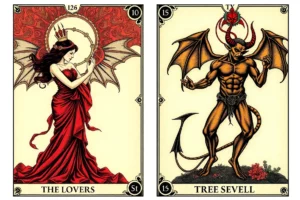
The Lovers and The Hierophant
At first glance, The Lovers card embodies duality and choice. This card often presents a poignant narrative about connections and relationships. In a Christian context, it transcends mere romantic entanglements, delving into the sacred bonds established through divine love — the ultimate intersection of choice and grace. The Hierophant, bearing the title of the Pope or High Priest, symbolizes spiritual authority, tradition, and the safeguarding of wisdom passed through the ages.
When these two cards appear together, they encapsulate the concept of divine partnership. This combination invites contemplation about the nature of love as ordained by God, emphasizing the sanctity of marriages rooted in faith. The Lovers signify the choices made in relationships that align with spiritual truth, while The Hierophant imparts guidance, encouraging individuals to seek counsel from established doctrine and communal wisdom. The duo compels the question: are we making choices that honor our commitments not only to each other but to our Creator as well?
In this configuration, there lies an intricate metaphor of God as the ultimate facilitator of genuine love, instilling in believers a purpose that extends beyond transient emotions. The clarity provided by The Hierophant enables participants in a relationship to navigate moral and ethical dilemmas, ensuring the sacredness of their connection remains intact.
The Tower and The Star
The juxtaposition of The Tower and The Star serves as a striking metaphor for upheaval followed by hope. The Tower card represents sudden disruption, often symbolizing calamity and the shattering of false beliefs. It evokes sentiments of chaos, prompting reflection on the fragility of human constructs and highlighting the necessity of divine intervention.
Yet, juxtaposed with The Star, a symbol of hope and rejuvenation, this combination fosters a narrative of rebirth: a promise that, following the tempest, peace and clarity will arise. In Christian circles, The Star can be equated with the guiding light of Christ, shedding illumination on the path toward salvation. Together, The Tower and The Star forge a powerful assertion: through trials and tribulations—often seen as God’s chisel—we are sculpted into vessels of resilience, ready to embrace a newfound faith.
Christians may find resonance in the notion that turmoil can act as a purgative force, stripping away the superfluous to unveil the soul’s authentic essence. Thus, even in despair, individuals are beckoned to remember the promise of hope that follows adversity. The symphony created by these cards encourages believers to glean lessons from hardships and find solace in God’s unwavering presence amid life’s tempests. Rather than relinquishing faith in times of strife, they are urged to embrace it, allowing their spirits to be renewed as they learn to trust in divine providence.
Death and The Empress
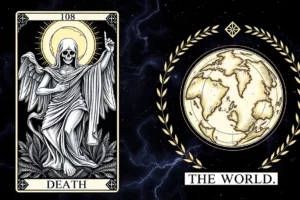
In tarot, the Death card often provokes apprehension; however, its true essence pertains to metamorphosis and transition. This card signals the end of one phase, making way for new beginnings, akin to the cycles of nature orchestrated by God. The Empress, on the other hand, embodies nurturing, fertility, and abundance, representing earthly bounty and the generative aspects of divine femininity.
When examining the interplay between Death and The Empress through a Christian lens, it is essential to acknowledge that life is a sequence of continual rebirths. The Death card vibrantly illustrates the necessity of surrendering outdated beliefs or aspects of life that may impede spiritual growth. Meanwhile, The Empress accentuates the beauty and sustenance that arise from the remnants of past experiences, affirming that God’s grace perpetually nurtures the new life that springs forth.
This combination prompts a contemplation of the cyclical nature of life as ordained by a higher power. Christians may reflect on the concept of resurrection, a stunning testament to life emerging from death, evoking the promise of eternal life through Christ. It paints a vivid picture of how, although certain stages in life may dissolve, they yield space for divine abundance and flourishing, reinforcing the belief that God intricately intertwines life’s passages to promote growth and regeneration.
Conclusion
Exploring tarot within a Christian context unveils profound insights that resonate with the doctrine of faith, hope, and love. The combinations of The Lovers and The Hierophant, The Tower and The Star, as well as Death and The Empress, reflect an intricate tapestry of experiences that echo Christian values and beliefs. Through these cards, one may glean not only the beauty of sacred partnerships and the necessity of resilience in adversity but also the promise of rebirth and divine nurturing.
Ultimately, the nuanced interplay between tarot and Christianity can enrich one’s spiritual journey, offering a fresh perspective on life’s myriad challenges and affording a deeper understanding of the divine dialogues at play.
FAQ
What are tarot card combinations?
Tarot card combinations refer to the meanings derived from the interaction between multiple tarot cards drawn together, providing deeper insights into a reading.
How do tarot card combinations relate to Christianity?
Tarot card combinations can be interpreted through a Christian lens, highlighting themes such as divine love, hope, and the cyclical nature of life as aligned with spiritual beliefs.
Leave a Reply