Short Answer
In this guide, you’ll explore the profound meaning of the Five of Swords reversed—a card that delves into the emotional aftermath of conflict, the weight of regret, and the journey toward healing. You’ll uncover how this card reflects feelings of guilt, self-reflection, and the desire to make amends after a battle—whether internal or external. By the end, you’ll understand its significance in love, career, and personal growth, along with actionable steps to navigate its challenges.
The Five of Swords Reversed: A Mirror of Regret
The Five of Swords reversed is like a shadow cast by a battlefield—it lingers long after the fight has ended. Unlike its upright counterpart, which often represents victory at a cost, this card in reverse signals a moment of reckoning. You may feel the sting of past actions, questioning whether the battle was worth the emotional toll. This card doesn’t just show defeat; it reveals the aftermath—the quiet hours spent replaying conversations, the sleepless nights haunted by choices made in haste.
Imagine standing in a room where the air is thick with the scent of old arguments. The Five of Swords reversed is the echo of those words, the weight of decisions that now feel hollow. It’s not about losing; it’s about realizing that winning didn’t bring the peace you expected. This card invites you to confront the guilt that follows unresolved tension, urging you to ask: Was the victory truly yours, or did it cost you something deeper?

Guilt as a Catalyst: Why This Card Demands Your Attention
Guilt is a powerful emotion, and the Five of Swords reversed doesn’t shy away from it. Instead, it frames guilt as a catalyst—a signal that something in your life needs realignment. This card appears when you’re haunted by the consequences of your actions, whether you were the aggressor, the bystander, or even the victim. It’s the voice that whispers, “You could have handled that differently.”
But guilt isn’t just a punishment—it’s a teacher. The Five of Swords reversed challenges you to examine your role in conflicts, not to wallow in self-blame, but to grow. Ask yourself: Did you prioritize pride over peace? Did you walk away from a situation without addressing the hurt you caused? This card doesn’t want you to drown in remorse; it wants you to learn from it. The key is to channel that guilt into constructive change, whether that means apologizing, setting boundaries, or simply changing your approach in future interactions.
Love and Relationships: When the Five of Swords Reversed Strikes Close to Home
In matters of the heart, the Five of Swords reversed can feel like a storm after the argument. If you’ve recently had a fight with a partner, friend, or family member, this card suggests lingering tension—words said in anger that now haunt you. You might feel a deep sense of regret, wondering if the relationship is worth the emotional fallout. Alternatively, you could be the one who feels wronged, carrying resentment that festers because the conflict was never truly resolved.
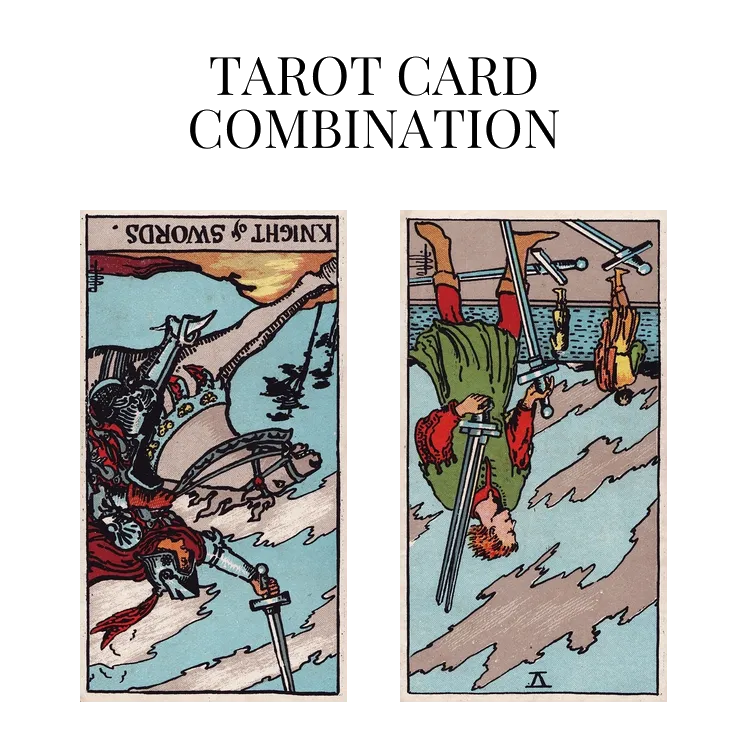
This card asks you to reflect: Are you holding onto bitterness because you’re afraid to admit fault? Or are you waiting for the other person to make the first move? The Five of Swords reversed doesn’t demand grand gestures—sometimes, it’s as simple as sending a text to say, “I’ve been thinking about what happened, and I regret how things turned out.” Healing begins when you’re willing to break the cycle of silence, even if it’s just for your own peace of mind.
Career and Ambition: The Cost of Winning at All Costs
In the professional realm, the Five of Swords reversed can reveal the hidden costs of ambition. Have you ever won an argument at work, only to realize later that you burned a bridge? Or perhaps you compromised your values to get ahead, and now the victory feels empty. This card serves as a reminder that success isn’t measured solely by promotions or praise—it’s also about the relationships you maintain along the way.
If you’re feeling dissatisfied despite your achievements, the Five of Swords reversed might be urging you to reassess your approach. Are you prioritizing short-term wins over long-term trust? Are you so focused on being right that you’ve alienated colleagues or supervisors? This card encourages you to soften your edges, to collaborate rather than compete, and to recognize that true leadership isn’t about domination—it’s about fostering an environment where everyone can thrive.
Self-Reflection and Personal Growth: The Path to Redemption
The Five of Swords reversed isn’t just about external conflicts—it’s a call to turn inward. This card often appears when you’re at a crossroads, forced to confront the parts of yourself you’d rather ignore. Maybe you’ve been avoiding a difficult conversation, or perhaps you’ve been replaying a past mistake in your mind, unable to let it go. The guilt you feel isn’t random; it’s a sign that you’re ready to evolve.
To move forward, start by acknowledging the guilt without letting it consume you. Write down what you regret, then ask yourself: What did this experience teach me? Was it about boundaries? Communication? Self-respect? The Five of Swords reversed doesn’t want you to stay stuck in shame—it wants you to use that energy to become more aware, more compassionate, and more intentional in your choices. Meditation, journaling, or even a heartfelt conversation with a trusted friend can help you process these emotions and emerge stronger.
Practical Steps to Heal from the Five of Swords Reversed
Healing from the aftermath of conflict isn’t always easy, but the Five of Swords reversed offers a roadmap. Here are actionable steps to help you navigate this energy:
- Apologize if necessary. If you’ve wronged someone, a sincere apology can be the first step toward closure. Remember, an apology isn’t about groveling—it’s about taking responsibility and expressing your regret.
- Set boundaries with kindness. If you’re the one who feels wronged, it’s okay to protect your peace. Communicate your needs clearly, but avoid rehashing old arguments. Sometimes, distance is the kindest response.
- Practice self-compassion. Guilt is a heavy emotion, but it doesn’t define you. Treat yourself with the same kindness you’d offer a friend in your situation.
- Reframe your perspective. Instead of seeing the conflict as a loss, ask: What did this teach me about my values or triggers? Growth often comes from discomfort.
- Forgive—yourself and others. Holding onto resentment only prolongs the pain. Forgiveness isn’t about excusing bad behavior; it’s about freeing yourself from its grip.
Conclusion: Turning Regret into Wisdom
The Five of Swords reversed is a card of uncomfortable truths, but it’s also a card of transformation. It doesn’t just show you the wreckage of past conflicts—it shows you the path to rebuilding, to healing, and to becoming someone who handles battles with more grace and less guilt. Whether the conflict was with a loved one, a colleague, or your own inner critic, this card reminds you that every fight leaves a lesson behind.
So the next time you feel the weight of regret pressing on your chest, ask yourself: What is this guilt trying to teach me? The answer might just be the key to your next chapter of growth. The Five of Swords reversed doesn’t promise an easy journey, but it does promise a meaningful one—one where you emerge not just wiser, but kinder to yourself and those around you.
FAQ
What does the Five of Swords reversed indicate in love?
It suggests lingering tension and regret after a conflict with a partner, urging reflection and communication.
How does the Five of Swords reversed apply to career?
It highlights the hidden costs of ambition and encourages reassessment of priorities and relationships at work.
Leave a Reply