Short Answer
Welcome to your playful guide on using a standard 52-card deck as a tarot system! Whether you’re a tarot enthusiast looking for a fresh twist or a curious beginner seeking an accessible entry point, this guide will walk you through the symbolic meanings, practical spreads, and creative interpretations of playing cards as tarot. You’ll discover how to transform the familiar ranks and suits of a deck into a powerful divination tool, blending tradition with spontaneity. Let’s dive into the world where the Queen of Hearts meets the Queen of Cups and the Ace of Spades whispers secrets of transformation.
Understanding the Basics: How Playing Cards Map to Tarot
A standard 52-card deck is divided into four suits—hearts, diamonds, clubs, and spades—each corresponding to one of the four tarot suits: cups, pentacles, wands, and swords. The numbered cards (2 through 10) represent the minor arcana, while the face cards—Jack, Queen, King—mirror the court cards of tarot. Aces often symbolize new beginnings, much like their tarot counterparts.
For example, the Ace of Hearts can signify emotional renewal or love’s potential, while the King of Diamonds might represent a practical, authoritative figure in your life. By recognizing these parallels, you can interpret your playing cards with the depth and nuance of traditional tarot, even without a dedicated deck.
The Symbolic Language: Suits and Their Meanings
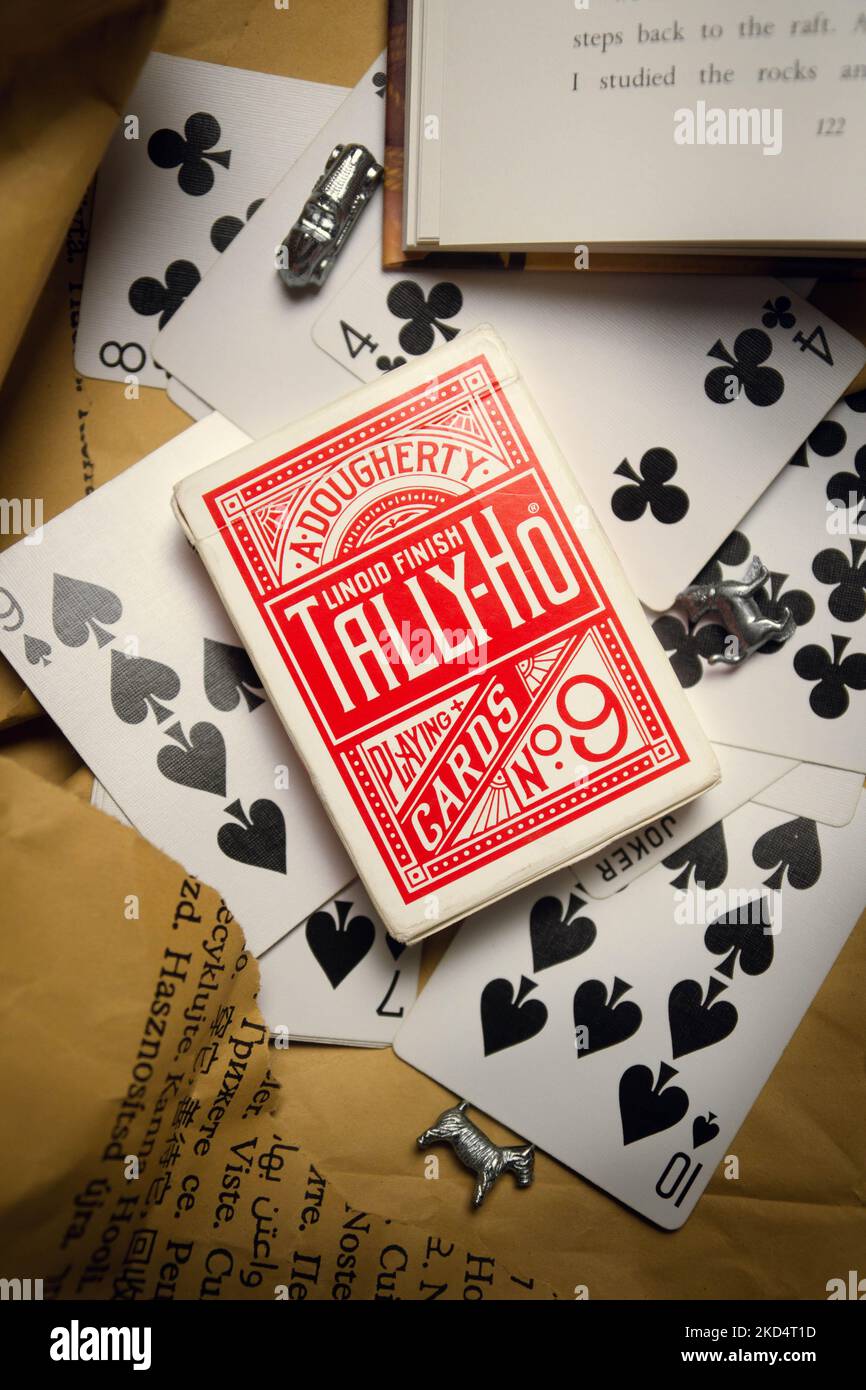
Each suit in a playing card deck carries distinct energy that aligns with tarot’s elemental associations. Hearts correspond to the element of water and the suit of cups, reflecting emotions, relationships, and intuition. Diamonds, linked to pentacles, represent the element of earth and symbolize material wealth, work, and stability. Clubs, tied to wands, embody the fire element, igniting creativity, passion, and ambition. Spades, associated with swords, channel the air element, governing intellect, conflict, and communication.
Understanding these elemental connections allows you to interpret the cards with greater precision. For instance, pulling the 7 of Clubs might suggest a surge of creative energy or a need to take bold action, while the 3 of Spades could indicate a moment of mental clarity or a challenging decision ahead.
Interpreting the Court Cards: Personalities and Archetypes
The face cards in a playing deck—Jack, Queen, and King—represent people, energies, or aspects of yourself. The Jacks often symbolize messengers or students, the Queens embody nurturing or receptive qualities, and the Kings reflect mastery or authority. In tarot terms, these cards can personify situations or individuals in your life.
For example, the Queen of Diamonds might represent a pragmatic, successful woman in your life or an aspect of your own practical nature. The King of Spades could signify a strategic thinker or a need to approach a problem with logic and precision. Pay attention to the card’s position in a spread to uncover whether it’s highlighting a person, an internal trait, or an external influence.

Creating Simple Spreads: From One-Card Pulls to Three-Card Layouts
You don’t need a complex spread to start reading playing cards as tarot. A single-card pull can offer insight into your current situation or a question you’re pondering. For deeper exploration, try a three-card spread: past, present, and future. Alternatively, use a five-card spread to examine challenges, influences, actions, and outcomes.
For a playful challenge, draw a card to represent a person in your life and another to represent their feelings toward you. What story do the cards tell? This exercise not only sharpens your interpretive skills but also adds a layer of fun to your readings.
Challenges and Limitations: When Playing Cards Meet Tarot’s Depth
While playing cards offer a creative and accessible approach to tarot, they have limitations. The 52-card deck lacks the major arcana’s profound archetypal narratives, such as The Fool’s journey or The Tower’s sudden upheaval. Additionally, the absence of numbered court cards (e.g., Page, Knight) means you’ll need to adapt your interpretations to fit the simpler structure.
To bridge this gap, consider using a separate card or object to represent a “major arcana” equivalent. For instance, you might pull a joker or designate an Ace as a wildcard symbolizing transformation. This hybrid approach allows you to blend the simplicity of playing cards with the depth of tarot’s major arcana.
Practical Tips for Reading Playing Cards as Tarot
Shuffle your deck while focusing on a question or situation. Trust your intuition to guide your interpretations, especially when a card’s traditional meaning feels too rigid. Keep a journal to track your readings and notice patterns over time. Experiment with different spreads and card combinations to uncover new layers of meaning.
Remember, the goal is to have fun and explore. Whether you’re seeking clarity, inspiration, or a playful challenge, using a 52-card deck as tarot can be a rewarding journey of self-discovery and creativity.
Conclusion
Transforming a standard deck of playing cards into a tarot system is a delightful way to blend tradition with spontaneity. By understanding the symbolic language of suits, interpreting the court cards, and experimenting with spreads, you can unlock the hidden wisdom within your deck. While playing cards may not replace the depth of a traditional tarot deck, they offer a unique and accessible entry point into the world of divination. Embrace the challenge, trust your intuition, and let the cards guide you on your journey.
FAQ
Can I use a regular playing card deck for tarot readings?
Yes, a standard 52-card deck can be used for tarot readings by mapping the suits and cards to their tarot counterparts.
What are some simple tarot spreads I can use with playing cards?
You can start with a one-card pull for quick insights or use a three-card spread for past, present, and future readings.
What limitations do playing cards have compared to traditional tarot decks?
Playing cards lack the major arcana’s archetypal narratives and may require adaptation in interpretations.
Leave a Reply