Short Answer
Ever wondered what secrets your future holds or what challenges lie ahead? The 78 Tarot cards are more than just mystical symbols—they’re a mirror to your subconscious, a guide through life’s twists, and a playful nudge toward self-discovery. Whether you’re a curious beginner or a seasoned reader, this guide will unravel the meanings behind each card, helping you interpret their messages with clarity and confidence. From the empowering Major Arcana to the nuanced suits of the Minor Arcana, we’ll explore how these cards can illuminate your path, answer your burning questions, and even challenge you to grow. Ready to shuffle the deck and peek into the unknown? Let’s dive in.
The Major Arcana: Your Life’s Grand Journey
The Major Arcana consists of 22 cards, each representing a significant life lesson or spiritual milestone. These cards often appear when you’re at a crossroads, facing a major decision, or undergoing a transformative phase. Think of them as the “big players” in your Tarot story—they set the stage for your journey.
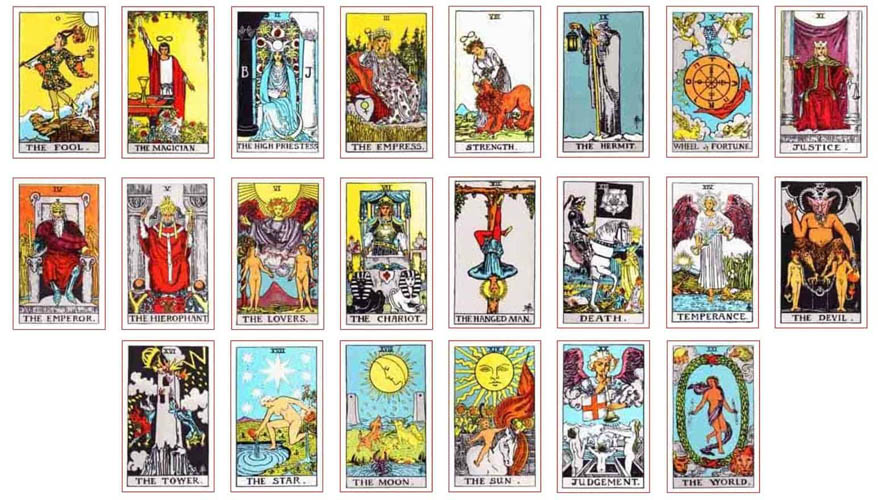
The first card, The Fool, symbolizes new beginnings, spontaneity, and a leap of faith. It’s the card of endless possibilities—but also the card that asks, “Are you ready to take the plunge?” Meanwhile, The Magician represents manifestation, skill, and resourcefulness. It’s a reminder that you hold the tools to create your reality, but it also challenges you to use them wisely. On the flip side, The Tower is the card of sudden upheaval, destruction, and revelation. It’s the universe’s way of saying, “Sometimes, you have to burn it all down to build something better.”
Each Major Arcana card carries a unique energy, and their sequence tells a story—from innocence (The Fool) to enlightenment (The World). Pay attention when these cards appear in your readings; they’re not just symbols, but messages from your higher self.
The Minor Arcana: The Everyday Adventures
While the Major Arcana deals with life’s grand themes, the Minor Arcana focuses on the day-to-day experiences that shape your journey. Divided into four suits—Wands, Cups, Swords, and Pentacles—each suit corresponds to a different aspect of life: creativity, emotions, intellect, and material world, respectively.
Wands: The Fire of Passion and Ambition
Wands represent inspiration, energy, and personal growth. They’re the suit of action, ambition, and sometimes, burnout. Drawing the Three of Wands? It’s a sign to expand your horizons and trust your instincts. But beware the Eight of Wands, which can indicate rushing into decisions without considering the consequences. Are you moving too fast, or is this the push you need?
Cups: The Ocean of Emotions
Cups delve into the realm of feelings, relationships, and intuition. The Ace of Cups is a heartwarming card of new love or emotional renewal, while the Five of Cups highlights loss and regret. It’s a card that asks, “What are you mourning, and is it time to turn around and see what’s still there?” Cups challenge you to embrace vulnerability and trust your heart.
Swords: The Blade of Truth and Conflict
Swords are the suit of the mind—logic, communication, and sometimes, harsh truths. The King of Swords embodies intellectual authority and clarity, but the Three of Swords brings a storm of heartache and betrayal. Swords force you to confront uncomfortable realities. Are you avoiding a difficult conversation, or is it time to wield your words with precision?
Pentacles: The Roots of Stability and Wealth
Pentacles ground you in the physical world—money, career, health, and home. The Ten of Pentacles is a card of legacy and family prosperity, while the Page of Pentacles suggests a new financial opportunity. But the Five of Pentacles warns of financial struggle or feeling left out in the cold. Pentacles remind you that security isn’t just about money; it’s about creating a foundation that nurtures your soul.
Court Cards: The People in Your Story
The 16 Court Cards—Page, Knight, Queen, and King of each suit—represent personalities, energies, or even people in your life. A Queen of Cups might symbolize a nurturing, empathetic friend, while a Knight of Swords could indicate someone who charges ahead with bold ideas (for better or worse). Court cards can also reflect aspects of yourself—your inner child, your disciplined side, or your rebellious streak. Who’s showing up in your readings, and what are they trying to tell you?
Reversed Cards: When the Message Flips
Tarot cards can appear upright or reversed, and reversals often indicate blocked energy, internal struggles, or a need for introspection. For example, the Strength card upright is about courage and compassion, but reversed, it might suggest self-doubt or struggling to tame your inner demons. Reversals aren’t “bad”—they’re invitations to dig deeper. What’s holding you back, and how can you reclaim your power?
Reading the Cards: A Practical Approach
Interpreting Tarot isn’t about memorizing meanings—it’s about connecting with the imagery and trusting your intuition. Start with simple spreads, like a three-card layout for past-present-future or mind-body-spirit. As you shuffle, focus on your question or intention. When you pull a card, observe your immediate reaction. Does it resonate? Does it make you feel uneasy? Your gut feeling is often the most accurate guide.
For example, if you draw the Seven of Pentacles and feel a pang of frustration, it might be time to reassess your efforts. Are you investing in the right things, or are you stuck waiting for a harvest that’s never coming? Tarot is a conversation, not a fortune-telling machine. The more you practice, the more you’ll develop your unique interpretation style.
Common Challenges and How to Overcome Them
Tarot can be a powerful tool, but it’s not without its pitfalls. One common challenge is over-reliance on guidebooks, which can stifle your intuition. Instead of rigidly adhering to traditional meanings, let the cards speak to you. Another hurdle is fear—fear of the unknown, fear of what the cards might reveal, or even fear of “getting it wrong.” Remember, there’s no “wrong” way to interpret Tarot. It’s a personal journey.
Some readers also struggle with drawing too many “negative” cards, like the Ten of Swords or The Devil. These cards aren’t curses; they’re signposts. The Ten of Swords might indicate a painful ending, but it also promises renewal. The Devil could represent toxic attachments, but it also asks you to examine what’s truly binding you. The key is to look for the lesson, not just the drama.
Conclusion
The 78 Tarot cards are a tapestry of human experience, woven with symbols that resonate across cultures and centuries. Whether you’re seeking clarity, guidance, or a playful challenge, Tarot offers a mirror to your soul. The Major Arcana maps your spiritual journey, the Minor Arcana grounds you in reality, and the Court Cards bring your inner circle to life. Reversals add depth, forcing you to confront what’s hidden beneath the surface.
But Tarot is more than just a tool—it’s a practice. The more you engage with the cards, the more they reveal. They won’t give you easy answers, but they’ll ask the right questions. So, the next time you pull a card, don’t just look at its meaning—ask yourself, “What is this trying to teach me?” And remember, the real magic isn’t in the cards themselves, but in how you choose to interpret their messages.
Leave a Reply