Short Answer
Welcome to a deep exploration of the reversed meanings of tarot cards. In this guide, you’ll uncover the hidden messages the universe may be sending through your tarot readings. Whether you’re a seasoned reader or a curious beginner, understanding reversals can add layers of insight to your interpretations. You’ll learn why reversed cards appear, how to interpret their subtle energies, and what the universe might be concealing—or revealing—through them. By the end, you’ll have a clearer perspective on how to navigate life’s complexities with greater awareness.
Why Do Reversed Tarot Cards Appear in Readings?
Reversed tarot cards, also known as “upside-down” cards, are a common yet often misunderstood aspect of tarot readings. Unlike upright cards, which represent straightforward energies, reversed cards suggest internal conflicts, blocked energy, or untapped potential. Their appearance isn’t random; the universe may be highlighting areas where you’re resisting growth, avoiding truth, or holding back from your highest path.
For example, a reversed card like The Tower might indicate suppressed fears of change, while a reversed Lovers card could point to disharmony in relationships or a lack of alignment with your true desires. These cards act as mirrors, reflecting not just external circumstances but your inner state. Recognizing their presence is the first step toward deeper self-awareness.
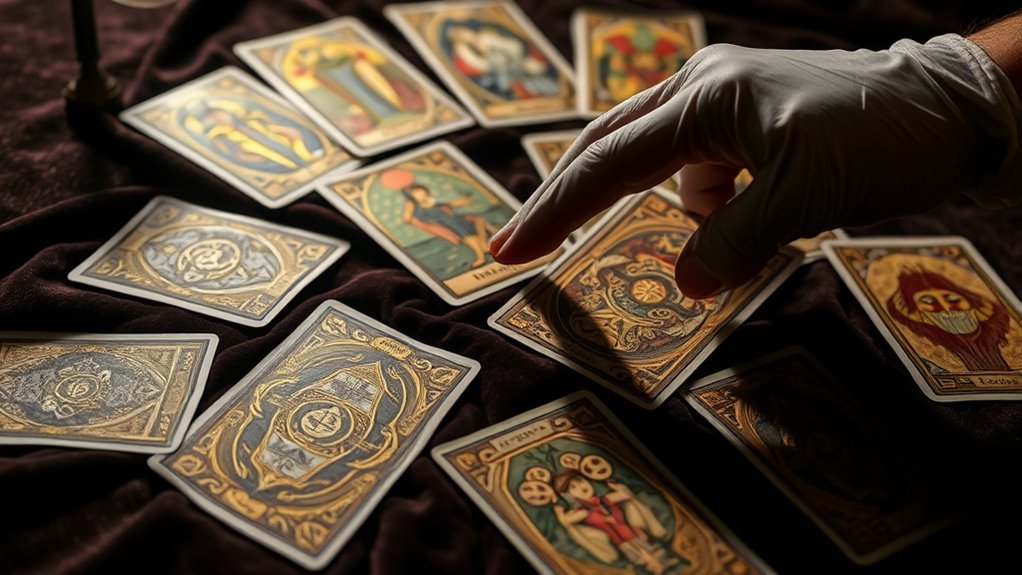
Common Misconceptions About Reversed Cards
Many people assume reversed cards always indicate negative outcomes, but this isn’t the case. While they can signal challenges, they also highlight opportunities for transformation. A reversed card might reveal a hidden talent, a suppressed emotion, or a lesson you’ve overlooked. The key is to approach them with curiosity rather than fear.
Another misconception is that reversals are less important than upright cards. In reality, they often carry more weight because they demand your attention. For instance, a reversed Three of Cups might suggest loneliness or unmet social needs, while an upright version celebrates joy and connection. The contrast between the two underscores the card’s deeper message.
How to Interpret Reversed Tarot Cards Accurately
Interpreting reversed cards requires a blend of intuition and structure. Start by examining the card’s traditional upright meaning, then ask yourself how its energy might be distorted or internalized. For example, the upright Eight of Swords represents feeling trapped, while its reversed form could indicate breaking free from limiting beliefs. Pay attention to your emotional response—does the card evoke relief, frustration, or confusion? Your reaction often holds the key to its meaning.
Another technique is to consider the card’s elemental associations. Fire cards (like Wands) reversed may indicate repressed passion, while Water cards (like Cups) reversed could point to emotional stagnation. Combining these layers with your personal circumstances will yield a more nuanced interpretation.
The Deeper Spiritual Significance of Reversals
From a spiritual perspective, reversed cards often signal a disconnect between your higher self and your current path. They may indicate that you’re ignoring your intuition, suppressing your truth, or clinging to outdated patterns. For example, the reversed High Priestess could suggest a need to trust your inner wisdom rather than relying on external validation.
The universe uses reversals to nudge you toward growth. A reversed card might appear when you’re on the verge of a breakthrough but holding yourself back. By acknowledging its message, you align yourself with the flow of life rather than resisting it. This spiritual perspective transforms reversals from obstacles into guides.
Practical Tips for Working with Reversed Cards
To deepen your connection with reversed cards, try these practical approaches:
- Journaling: Write down your interpretations of reversed cards and revisit them later to track patterns.
- Meditation: Visualize the card’s energy and ask your higher self for clarity on its message.
- Shadow Work: Use reversed cards as prompts for self-reflection, exploring areas where you might be in denial.
- Card Pulls: Ask specific questions about reversals to gain targeted insights.
Remember, there’s no one-size-fits-all interpretation. Your unique experiences shape how you perceive these cards, so trust your instincts.
Conclusion
Reversed tarot cards are not just inversions of their upright counterparts—they are gateways to deeper understanding. By learning to interpret their subtle energies, you unlock hidden truths about yourself and the universe. Whether they reveal blockages, untapped potential, or spiritual lessons, these cards serve as powerful tools for growth. Embrace them as allies on your journey, and you’ll find that the universe’s messages become clearer with each reading.
FAQ
What do reversed tarot cards mean?
Reversed tarot cards often indicate internal conflicts, blocked energy, or untapped potential, highlighting areas for personal growth.
Are reversed cards always negative?
No, reversed cards can signal challenges but also opportunities for transformation and deeper insights.
How can I interpret reversed tarot cards?
Start by understanding the upright meaning, then consider how the energy may be distorted or internalized.
Leave a Reply