Short Answer
This guide provides a comprehensive exploration of the Universal Waite Tarot deck, focusing on the meanings of cards in their upright and reversed positions. Whether you’re a beginner seeking foundational knowledge or an experienced reader looking to deepen your understanding, this resource covers essential interpretations, symbolism, and practical applications. You’ll discover how upright and reversed cards influence readings, common themes associated with each suit, and tips for integrating these insights into your tarot practice.
Understanding the Universal Waite Tarot Deck
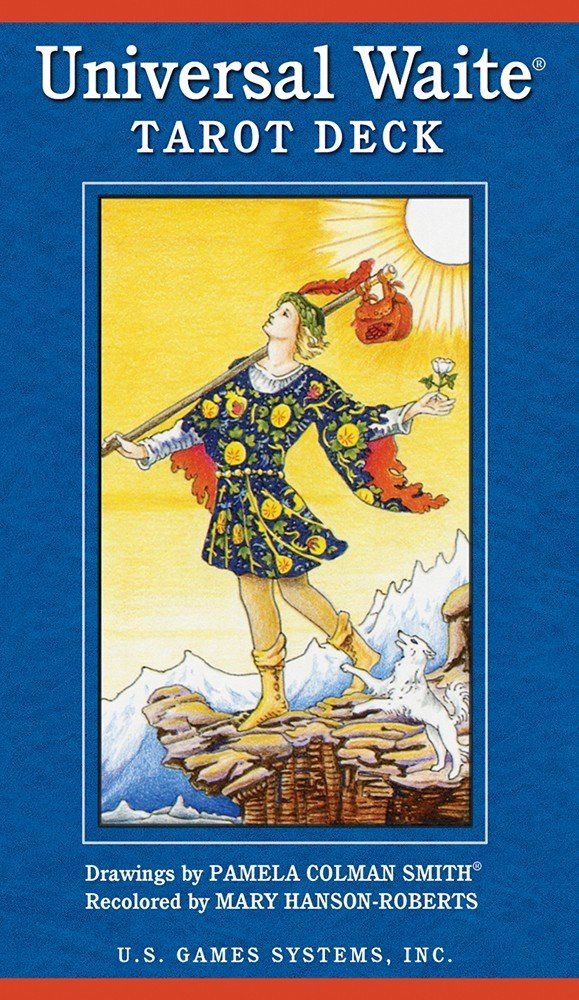
The Universal Waite Tarot deck is one of the most widely recognized and accessible tarot decks in the world. Developed by A.E. Waite and illustrated by Pamela Colman Smith in 1909, this deck is a variation of the traditional Rider-Waite-Smith (RWS) tarot. Its imagery is rich with symbolism, making it ideal for both intuitive and traditional interpretations. The deck consists of 78 cards divided into two main groups: the Major Arcana (22 cards representing significant life themes) and the Minor Arcana (56 cards representing everyday situations). Understanding the structure of this deck is crucial for interpreting upright and reversed cards accurately.
The Significance of Upright and Reversed Cards
In tarot readings, the orientation of a card—whether it appears upright or reversed—can significantly alter its meaning. Upright cards typically represent the traditional or positive aspects of the card’s energy, while reversed cards often indicate blockages, internal struggles, or unconventional interpretations. However, reversed cards should not be viewed solely as negative; they can also highlight areas needing attention, hidden opportunities, or subconscious influences. The key to mastering upright and reversed interpretations lies in balancing traditional meanings with personal intuition.
Major Arcana: Upright and Reversed Meanings
The Major Arcana cards represent pivotal life events and spiritual lessons. When upright, they often signify progress, enlightenment, or alignment with one’s higher purpose. For example, The Fool upright suggests new beginnings and spontaneity, while reversed may indicate recklessness or a need for caution. The Lovers upright represents harmony and choices, whereas reversed could point to disharmony or misalignment in relationships. Each Major Arcana card carries a unique message, and understanding its upright and reversed nuances can provide profound insights into life’s journey.
Minor Arcana: Suits and Their Interpretations
The Minor Arcana consists of four suits—Cups, Pentacles, Swords, and Wands—each representing different aspects of life. The suit of Cups relates to emotions and relationships, Pentacles to material wealth and practicality, Swords to intellect and conflict, and Wands to creativity and passion. When interpreting these cards, consider their upright and reversed positions. For instance, the Three of Cups upright celebrates friendship and joy, while reversed may suggest gossip or overindulgence. The Five of Pentacles upright indicates financial struggle, whereas reversed could signal recovery or support.
Common Themes in Upright and Reversed Readings
Certain themes frequently emerge when analyzing upright and reversed cards. Upright cards often reflect current strengths, opportunities, or straightforward advice, while reversed cards may highlight challenges, delays, or internal conflicts. For example, the Ten of Swords upright signifies painful endings, whereas reversed could suggest recovery or a less severe outcome. Similarly, the Page of Wands upright represents inspiration and enthusiasm, while reversed may indicate lack of direction or wasted potential. Recognizing these patterns can help readers provide more nuanced and actionable guidance.
Practical Tips for Reading Upright and Reversed Cards
To enhance your tarot practice, consider these practical tips for interpreting upright and reversed cards. First, always note the card’s position in the spread—whether it’s upright or reversed—as this directly impacts its meaning. Second, pay attention to the surrounding cards, as they can provide context or amplify the message. Third, trust your intuition; while traditional meanings are valuable, personal insights often reveal deeper layers of understanding. Finally, practice regularly to develop confidence in your interpretations and recognize how upright and reversed cards interact in different spreads.
Using Upright and Reversed Cards in Different Spreads
Different tarot spreads can highlight the significance of upright and reversed cards in unique ways. In a past-present-future spread, reversed cards in the past position may indicate unresolved issues, while upright cards in the future suggest positive outcomes. A relationship spread might use reversed cards to reveal hidden tensions or unspoken feelings. For a career spread, upright cards could signify strengths and opportunities, while reversed cards may point to obstacles or areas for improvement. Experimenting with various spreads will help you tailor your readings to specific questions and clients.
Conclusion
Mastering the Universal Waite Tarot deck, particularly the distinctions between upright and reversed cards, opens up a world of insight and guidance. By understanding the traditional meanings, recognizing common themes, and applying practical tips, you can offer more accurate and meaningful readings. Whether you’re exploring the Major Arcana’s spiritual lessons or the Minor Arcana’s everyday situations, the interplay between upright and reversed cards adds depth and nuance to your interpretations. Continue practicing and refining your skills to unlock the full potential of this timeless tool.
FAQ
What is the Universal Waite Tarot deck?
The Universal Waite Tarot deck is a widely recognized tarot deck developed by A.E. Waite and illustrated by Pamela Colman Smith, known for its rich symbolism and accessibility.
How do upright and reversed cards influence tarot readings?
Upright cards typically represent positive attributes, while reversed cards can indicate blockages or unconventional interpretations, offering a deeper layer of insight.
Leave a Reply