Short Answer
Reversed tarot cards often spark curiosity and confusion, but they hold profound insights that can transform your understanding of a reading. Whether you’re a seasoned tarot reader or just beginning your journey, grasping the meaning of reversed cards unlocks a deeper layer of interpretation. This guide explores how reversed tarot cards shift perspectives, reveal hidden truths, and provide clarity in ways upright cards cannot. By the end, you’ll see how these flipped cards promise a new way of interpreting life’s challenges and opportunities.
What Are Reversed Tarot Cards?
Reversed tarot cards, also known as “upside-down” cards, occur when a card appears inverted in a spread. While some readers avoid using reversed cards, believing they complicate readings, others embrace them as powerful tools for nuance. A reversed card doesn’t negate the upright meaning—instead, it flips the energy, offering a different angle on the same theme.
For example, the upright Three of Cups symbolizes celebration and joy, while reversed, it may indicate gossip, overindulgence, or a lack of harmony in social circles. The reversal doesn’t erase the card’s essence; it refines it, adding depth to the narrative. This duality is what makes reversed cards so compelling—they challenge you to look beyond the surface and consider what’s not immediately visible.
Why Reversed Cards Matter: A Shift in Perspective
Reversed cards act as a mirror, reflecting the subconscious influences at play in a situation. They highlight internal conflicts, suppressed emotions, or external factors that aren’t aligned with your conscious desires. Unlike upright cards, which often present straightforward advice, reversed cards demand introspection. They ask: What are you overlooking? What fears or doubts are holding you back?
Consider the Five of Pentacles upright, which warns of financial hardship or feeling left out in the cold. Reversed, it might suggest recovery from loss, finding unexpected support, or a shift toward self-sufficiency. The reversal doesn’t just flip the meaning—it transforms the challenge into an opportunity for growth. This shift in perspective is where reversed cards truly shine, turning obstacles into lessons and setbacks into stepping stones.
The Hidden Messages in Reversed Tarot Cards
Reversed cards often carry messages that are subtle, internal, or delayed. They can indicate:
- Blocked Energy: A reversed card may reveal resistance—whether emotional, mental, or spiritual—that’s preventing progress. For instance, the Hermit reversed could suggest isolation due to fear of vulnerability rather than intentional solitude.
- Unacknowledged Truths: These cards bring to light what you’ve been avoiding. The Death card reversed, for example, might point to stagnation or an unwillingness to let go of the past.
- Delayed Outcomes: Sometimes, a reversed card signals that a situation isn’t ready to manifest. The Ten of Wands reversed could mean you’re carrying a burden longer than necessary, hinting at the need to delegate or release control.
The key is to approach reversed cards with an open mind. They’re not “bad” omens—they’re invitations to dig deeper. By acknowledging the hidden layers, you gain clarity on what’s truly driving your circumstances.
Common Misconceptions About Reversed Cards
One of the biggest myths about reversed cards is that they always indicate negativity. In reality, they’re neutral tools that reflect the current state of energy. A reversed card might highlight an area needing attention, but it doesn’t doom you to failure. Another misconception is that reversed cards are less important than upright ones. On the contrary, they often provide the most transformative insights.
For example, the Lovers card upright speaks of harmony and choices, while reversed, it may reveal disharmony or a need to prioritize self-love over external validation. The reversal doesn’t diminish the card’s power—it amplifies its relevance to your personal journey.
How to Read Reversed Tarot Cards Effectively
Reading reversed cards requires a blend of intuition and structure. Here’s a step-by-step approach to mastering their meaning:
- Context is Everything: Always consider the card’s position in the spread and its relationship to surrounding cards. A reversed Chariot in a career reading might indicate a lack of direction, while in a love spread, it could suggest control issues.
- Look for Opposites: Compare the upright and reversed meanings. The Justice card upright embodies fairness, while reversed, it may point to bias or unfair treatment.
- Trust Your Intuition: Reversed cards often resonate on a gut level. If a card feels “off” in a reading, explore why. Your subconscious might be picking up on something your conscious mind hasn’t acknowledged.
- Use Keywords: Develop a personal list of keywords for reversed cards to streamline interpretations. For the Tower reversed, keywords might include “delayed upheaval” or “avoided crisis.”
Practice is essential. The more you work with reversed cards, the more natural their interpretations become. Over time, you’ll develop a unique language with the deck, tailored to your intuitive style.
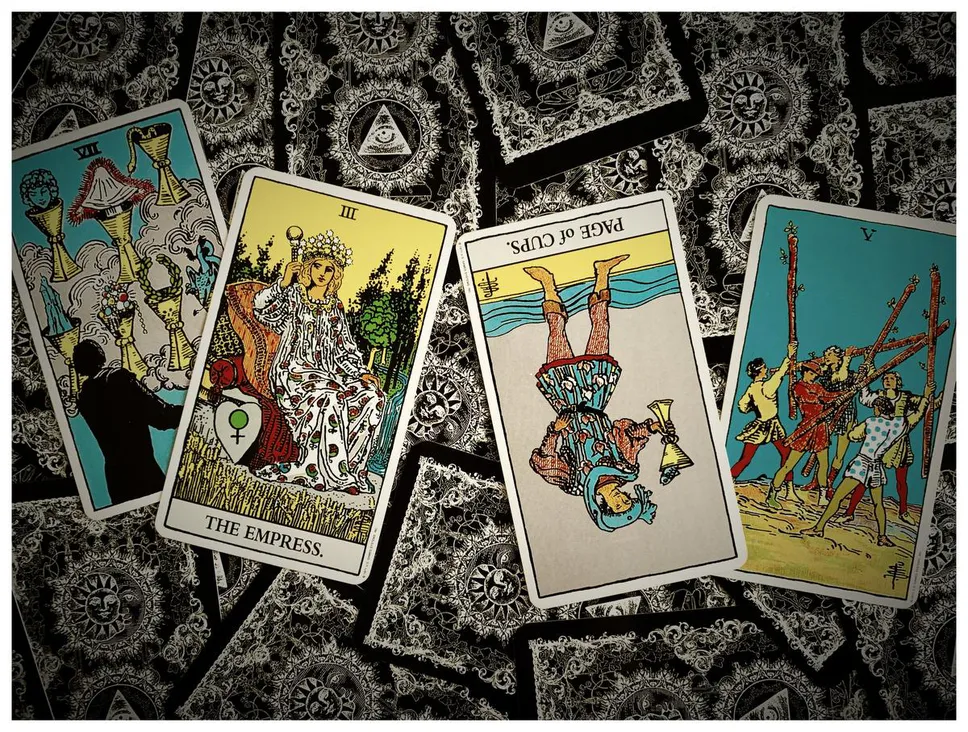
A tarot reader interpreting reversed cards, highlighting the depth they add to a reading.
Reversed Cards in Different Tarot Spreads
The meaning of a reversed card can vary depending on the spread. In a past-present-future spread, a reversed card in the “future” position might indicate a potential challenge ahead, while in the “past” position, it could reveal an unresolved issue. In a relationship spread, a reversed Two of Cups might suggest a lack of mutual commitment, whereas in a career spread, it could warn against one-sided partnerships.
For spreads like the Celtic Cross, reversed cards often appear in positions that demand extra attention. A reversed Six of Swords in the “challenges” position might signal lingering emotional baggage from a past transition. The spread’s structure helps contextualize the reversal, making its message clearer.
When to Avoid Reversed Cards
While reversed cards offer valuable insights, there are times when they may not be necessary. If you’re working with a simple, straightforward question, upright cards might suffice. Additionally, some readers prefer to use reversed cards only when they feel intuitively guided to do so. The goal is to create a reading that feels authentic to you, not to force a method that doesn’t resonate.
Conclusion
Reversed tarot cards are far more than mere inversions of their upright counterparts—they are gateways to deeper understanding. By embracing their nuanced messages, you unlock a richer, more layered interpretation of your tarot readings. Whether they reveal hidden fears, delayed outcomes, or unacknowledged truths, reversed cards promise a shift in perspective that can change everything. The next time you encounter a reversed card, pause and ask: What is this trying to tell me? The answer might just transform your path forward.
Leave a Reply