Short Answer
The concept of The World as Feelings – She’s Complete Not Looking explores the profound interplay between perception, emotion, and reality. In this guide, you’ll uncover how the world transforms when viewed through the lens of deep emotional connections, particularly when someone’s presence alters your perspective of beauty, brokenness, and existence. You’ll learn how metaphors shape our understanding of love, self-discovery, and the way emotions color our reality. By the end, you’ll see how these ideas resonate in art, literature, and personal experiences, revealing the unique appeal of seeing the world as a reflection of feelings rather than mere objects or events.
The Power of Perception: How Feelings Reshape Reality
Perception is not a passive act; it’s an active reconstruction of reality based on our emotions, memories, and desires. When we say “She’s Complete Not Looking”, we’re hinting at a transformative moment where someone’s presence or absence redefines how we see the world. This idea isn’t just poetic—it’s rooted in psychology. Studies in affective science show that emotions act as filters, altering how we process sensory input. A sunset might feel melancholic or euphoric depending on our emotional state, and similarly, the world around us shifts when we’re deeply connected to someone who changes our outlook.
Consider the metaphor of a “broken world” made beautiful. This isn’t about ignoring flaws but about seeing them as part of a larger, intricate tapestry. The cracks in a vase, the wrinkles in a face, or the scars on a landscape can become symbols of resilience and depth. When someone helps us see this beauty, they’re not altering reality—they’re helping us perceive it differently. This shift is the essence of The World as Feelings.
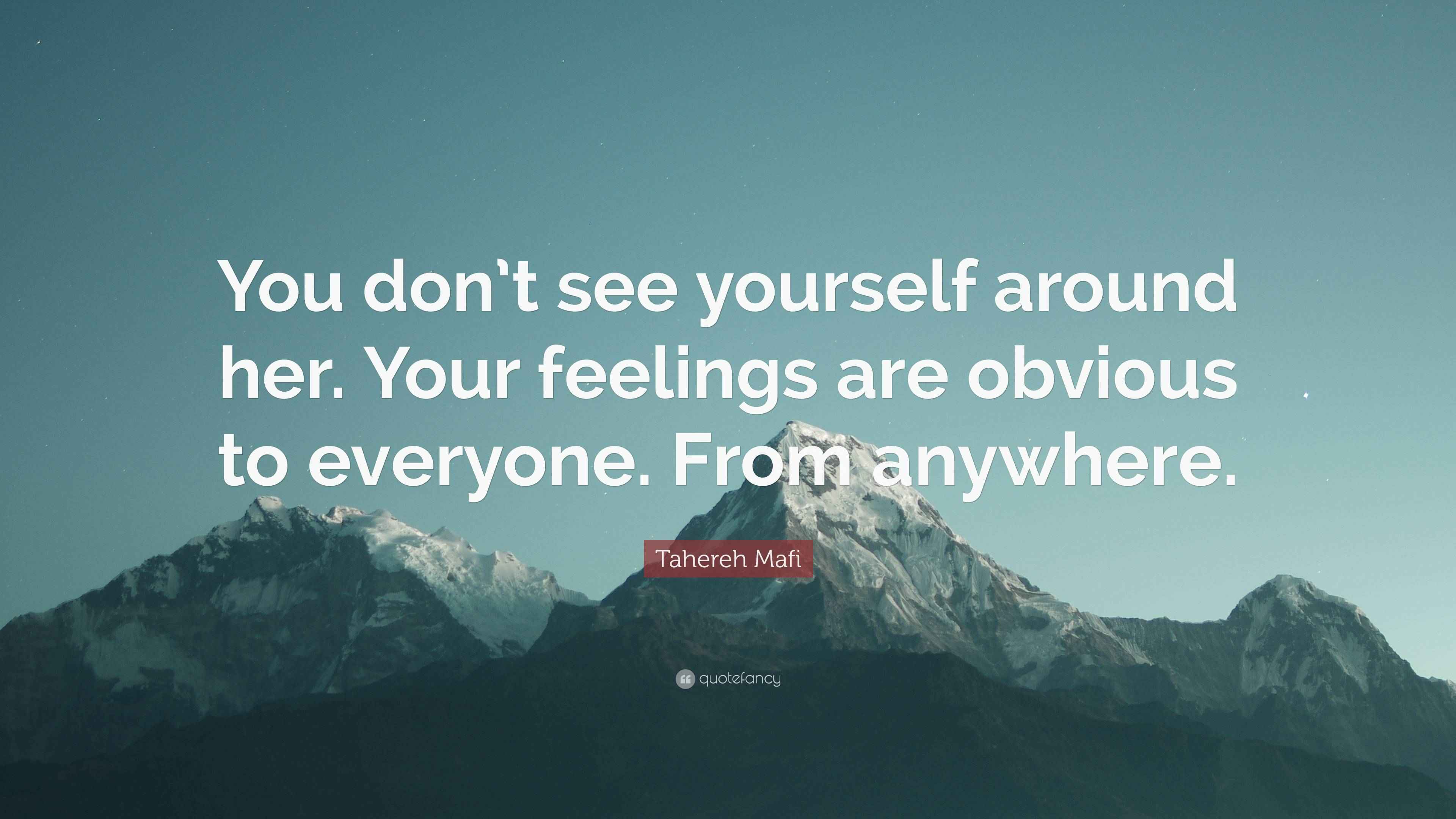
The image above captures this idea perfectly. The quote suggests that someone’s presence can make you see yourself—and the world—in a new light. The accompanying landscape reinforces the theme: nature, with its imperfections and grandeur, mirrors the emotional landscapes we navigate. This duality—between the external world and internal feelings—is what makes the metaphor so compelling.
The Unique Appeal of Emotional Metaphors
Metaphors are the bridges between the tangible and the intangible. They allow us to grasp abstract emotions through concrete imagery, making complex feelings accessible and relatable. The phrase “She’s Complete Not Looking” is a masterclass in this technique. It doesn’t just describe a person’s state; it implies a dynamic relationship between two entities—the observer and the observed, the feeler and the felt. This creates a sense of intrigue, inviting the reader to fill in the blanks with their own experiences.
Why do these metaphors resonate so deeply? Because they tap into universal human experiences: longing, love, loss, and the search for meaning. When we read a line like “When someone can make you see this broken world as beautiful”, we’re not just consuming words—we’re reliving moments where someone’s presence transformed our perception. This is the unique appeal of emotional metaphors: they’re personal yet universal, intimate yet shared.
Artists and writers have long exploited this power. Painters like Vincent van Gogh used bold, swirling brushstrokes to convey emotion, while poets like Pablo Neruda wove metaphors of nature into declarations of love. The appeal lies in the way these metaphors make us feel seen, understood, and less alone in our emotional journeys. They turn abstract feelings into something we can almost touch, taste, or see.
The Language of Feelings: Words That Paint Emotions
Language is the tool we use to articulate feelings, but not all words are created equal. Some phrases carry weight, depth, and layers of meaning that resonate on a visceral level. The title The World as Feelings – She’s Complete Not Looking is a prime example. It’s not a straightforward declaration; it’s a puzzle, a riddle that invites interpretation. What does it mean for the world to be feelings? How is “she” complete, and why isn’t she looking?
This kind of language engages the reader’s imagination. It doesn’t provide answers; it poses questions. It’s the difference between saying “I’m sad” and saying “The sky wept in shades of gray, mirroring the weight in my chest.” The latter doesn’t just describe sadness—it immerses the reader in it. Similarly, the phrase “She’s Complete Not Looking” suggests a presence that is whole yet unseen, a paradox that sparks curiosity.
Consider the role of imagery in conveying emotions. Words like “broken,” “beautiful,” “shattered,” and “whole” aren’t just adjectives—they’re emotional triggers. They paint pictures in the mind’s eye, evoking memories, sensations, and feelings. When combined with metaphors, they create a language that transcends literal meaning, speaking directly to the heart.

The image above is a visual representation of this language. The serene lake, the warm hues of sunset, and the solitary figure all evoke a sense of introspection and emotional depth. It’s a reminder that the world isn’t just a collection of objects—it’s a canvas for our feelings, a stage for our experiences.
From Metaphor to Meaning: Applying the Concept to Life
Understanding The World as Feelings isn’t just an intellectual exercise—it’s a way of navigating life. When we recognize that our perception of the world is shaped by our emotions, we gain the power to reframe our experiences. A difficult situation isn’t just a problem; it’s an opportunity to see resilience, growth, or even beauty in adversity. A person who seems distant isn’t just “not looking”; they might be complete in ways we can’t yet see.
This concept is particularly powerful in relationships. When we say someone makes us see the world differently, we’re acknowledging their role in our emotional evolution. It’s not about changing who we are; it’s about expanding how we see. This can apply to friendships, romantic partnerships, or even our relationship with ourselves. The idea of “She’s Complete Not Looking” can be a reminder that wholeness doesn’t always look the way we expect. Sometimes, it’s in the quiet moments, the unspoken feelings, or the things we choose not to say.
To apply this in daily life, start by paying attention to the metaphors you use. Do you describe your emotions in terms of weather, nature, or objects? Do you see challenges as battles, journeys, or puzzles? These metaphors aren’t just linguistic flourishes—they shape how you experience life. By consciously choosing metaphors that reflect growth, beauty, and resilience, you can shift your perspective and, in turn, your reality.
Conclusion
The idea of The World as Feelings – She’s Complete Not Looking is more than a poetic phrase—it’s a lens through which we can view our lives and relationships. It reminds us that emotions are not just internal reactions but active forces that shape our perception of the world. Metaphors like these bridge the gap between the tangible and the intangible, allowing us to articulate feelings that are often indescribable. They invite us to see beauty in brokenness, wholeness in incompleteness, and meaning in the mundane.
By embracing this perspective, we open ourselves to a richer, more nuanced understanding of life. We learn to see the world not as it is, but as we feel it—a dynamic, emotional landscape where every moment is colored by our inner world. Whether through art, literature, or personal reflection, the language of feelings gives us the tools to navigate our emotions and, ultimately, to find meaning in the connections that shape us. In the end, The World as Feelings isn’t just a concept; it’s an invitation to see the extraordinary in the ordinary, the beautiful in the broken, and the complete in what might seem incomplete.
FAQ
What does 'The World as Feelings' mean?
It refers to the idea that our emotional state influences how we perceive and interpret the world around us.
How do metaphors relate to feelings?
Metaphors bridge the tangible and intangible, helping us articulate complex emotions through relatable imagery.
Leave a Reply