Short Answer
Welcome to a journey beyond the conventional. In this guide, you’ll explore the enigmatic world of Satanic Tarot—a deck that defies expectations and challenges perceptions. You’ll uncover its origins, symbolism, and the philosophical underpinnings that set it apart from traditional tarot. Whether you’re a skeptic, a seeker, or simply curious, this exploration will reveal why this deck resonates with those who dare to question the boundaries of spirituality and divination.
The Satanic Tarot: A Radical Departure from Tradition
The Satanic Tarot is not a tool of malevolence, as its name might suggest. Instead, it’s a provocative reinterpretation of the classic tarot deck, infused with the philosophy of LaVeyan Satanism—a belief system that embraces individualism, carnality, and the rejection of dogmatic spirituality. Unlike traditional tarot, which often draws from Christian iconography, the Satanic Tarot subverts these symbols, replacing them with imagery that reflects rebellion, self-empowerment, and the embrace of earthly desires.
This deck is designed for those who see tarot not as a mystical crutch but as a mirror to the self. The cards challenge the reader to confront their own agency, desires, and the raw reality of existence without the veil of supernatural intervention. It’s a deck that doesn’t ask for divine permission—it demands self-awareness.

Symbolism and Iconography: Decoding the Unconventional
The Satanic Tarot’s imagery is a deliberate departure from the Rider-Waite-Smith tradition. Where the latter often features angelic figures and Christian motifs, the Satanic Tarot replaces them with symbols of rebellion and hedonism. The Fool, for instance, may be depicted as a defiant figure stepping off a cliff, unafraid of the fall—a metaphor for embracing the unknown without fear. The Lovers card might feature a sensual embrace, emphasizing carnal pleasure over spiritual union.
Key symbols include:
- Baphomet: Often featured in the Major Arcana, Baphomet represents balance, duality, and the union of opposites. It’s a nod to the Satanic Temple’s embrace of symbolism over blind faith.
- Serpents: Representing wisdom, transformation, and the shedding of illusions, serpents appear in cards like The Magician and Death, emphasizing the cyclical nature of existence.
- Crowns and Thrones: Symbols of earthly power and self-sovereignty, these appear in cards like The Emperor, reinforcing the idea that authority comes from within, not from a higher power.

The Philosophy Behind the Deck: Satanism as a Framework
At its core, the Satanic Tarot is an extension of LaVeyan Satanism, which views Satan not as a literal entity but as a symbol of human potential. The philosophy rejects the idea of sin and guilt, instead advocating for a life lived in pursuit of pleasure, knowledge, and self-mastery. The deck serves as a tool to reflect this worldview, encouraging the reader to interpret the cards through the lens of personal empowerment rather than divine prophecy.
This philosophical foundation makes the Satanic Tarot unique. Unlike traditional tarot, which often frames life’s challenges as tests of faith or moral dilemmas, the Satanic Tarot presents them as opportunities for growth and self-directed action. For example, The Tower card doesn’t signify divine punishment but rather the collapse of illusions—a necessary step toward clarity and truth.
How to Use the Satanic Tarot: A Guide for the Unconventional Reader
Using the Satanic Tarot is an exercise in intentionality. Unlike passive divination, this deck invites active participation. Here’s how to approach it:
- Self-Reflection Over Prophecy: Treat the cards as prompts for introspection rather than predictions. Ask yourself how the imagery and symbolism resonate with your current life circumstances.
- Embrace Ambiguity: The Satanic Tarot thrives on interpretation. There are no rigid meanings—only what resonates with you. The Death card, for instance, might symbolize the end of a toxic relationship rather than literal demise.
- Ritual as Empowerment: While not a requirement, some readers incorporate rituals to frame their readings. Lighting a candle, meditating on a question, or even reciting a personal mantra can enhance the experience.
- Reject Fear-Based Interpretations: The deck’s name may evoke fear, but its purpose is liberation. Approach the cards with curiosity, not trepidation.
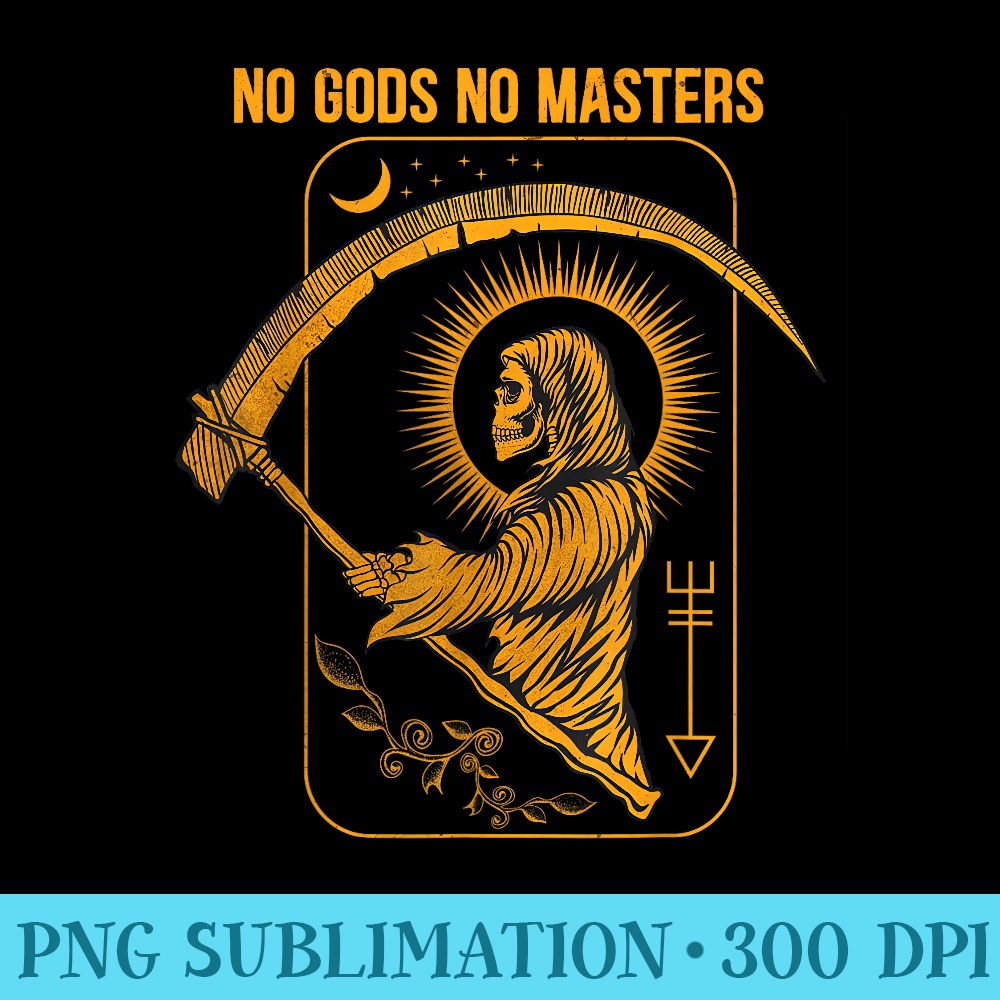
The Appeal of the Satanic Tarot: Why It Resonates
The Satanic Tarot’s appeal lies in its unapologetic challenge to conventional spirituality. For those disillusioned with organized religion or traditional tarot’s esoteric dogma, this deck offers a refreshing alternative. It speaks to individuals who see life as a series of choices rather than a predetermined path, and who value autonomy over submission.
Moreover, the deck’s aesthetic and thematic boldness make it a conversation starter. It’s not just a tool for divination—it’s a statement. Whether used for personal growth, artistic inspiration, or simply as a provocative piece of decor, the Satanic Tarot demands attention and invites dialogue.
Conclusion: Beyond the Name, a Tool for Empowerment
The Satanic Tarot is more than its provocative name—it’s a testament to the power of symbolism and self-directed spirituality. It challenges the reader to look beyond surface-level interpretations and to embrace a worldview that prioritizes individual agency over external authority. Whether you’re drawn to its philosophy, its striking imagery, or its unorthodox approach to divination, this deck offers a unique lens through which to view life’s complexities.
For those willing to engage with it thoughtfully, the Satanic Tarot isn’t a tool of darkness—it’s a beacon of clarity, a mirror to the self, and a reminder that the most profound magic lies within.
FAQ
What is the Satanic Tarot?
The Satanic Tarot is a unique tarot deck that reinterprets traditional tarot through the lens of LaVeyan Satanism, emphasizing themes of self-empowerment and individuality.
How is the Satanic Tarot different from traditional tarot?
Unlike traditional tarot, which often incorporates Christian imagery, the Satanic Tarot focuses on symbols of rebellion and earthly desires.
Leave a Reply