Short Answer
Welcome to your ultimate guide to Tarot Symbols! Whether you’re a curious beginner or a seasoned reader, this guide will unlock the colors, signs, and hidden messages woven into every Tarot card. You’ll discover how each element—from vibrant hues to subtle gestures—carries profound meaning, helping you decode the whispers of the cards. By the end, you’ll see Tarot not just as a deck of images, but as a living language of symbols waiting to be understood. Ready to embark on this mystical journey?
The Power of Tarot Symbols: Why They Matter
Tarot symbols are the heartbeat of the deck. Each card is a miniature universe of imagery, where every color, object, and gesture tells a story. These symbols act as bridges between the conscious and subconscious, offering insights that words alone cannot convey. For instance, the color red often signifies passion or urgency, while a figure pointing upward may suggest aspiration or divine connection. By learning to read these symbols, you transform from a passive observer into an active interpreter of the Tarot’s wisdom. Think of it as learning a new visual language—one that speaks directly to your intuition.
Colors in Tarot: The Emotional Palette of the Cards
Colors in Tarot are not merely decorative; they are emotional triggers and energetic signatures. Here’s a breakdown of the most significant hues and their meanings:
- Red: Passion, energy, and action. Found in cards like The Tower or The Emperor, red signals intensity and transformation.
- Blue: Calm, intuition, and spirituality. The High Priestess and The Star radiate blue, inviting introspection and wisdom.
- Green: Growth, abundance, and healing. The Empress and The Wheel of Fortune often feature green, symbolizing nature’s cycles.
- Yellow: Joy, intellect, and optimism. The Sun and The Magician use yellow to evoke clarity and enlightenment.
- Black: Mystery, the unknown, and endings. The Death card’s black cloak represents transformation and rebirth.
- White: Purity, new beginnings, and divine light. The Fool’s white rose symbolizes innocence and potential.
Pro Tip: Pay attention to the dominant colors in a spread. A cluster of fiery reds might indicate a surge of emotion, while soft blues could suggest a need for peace. Colors are your first clue to the card’s emotional tone.
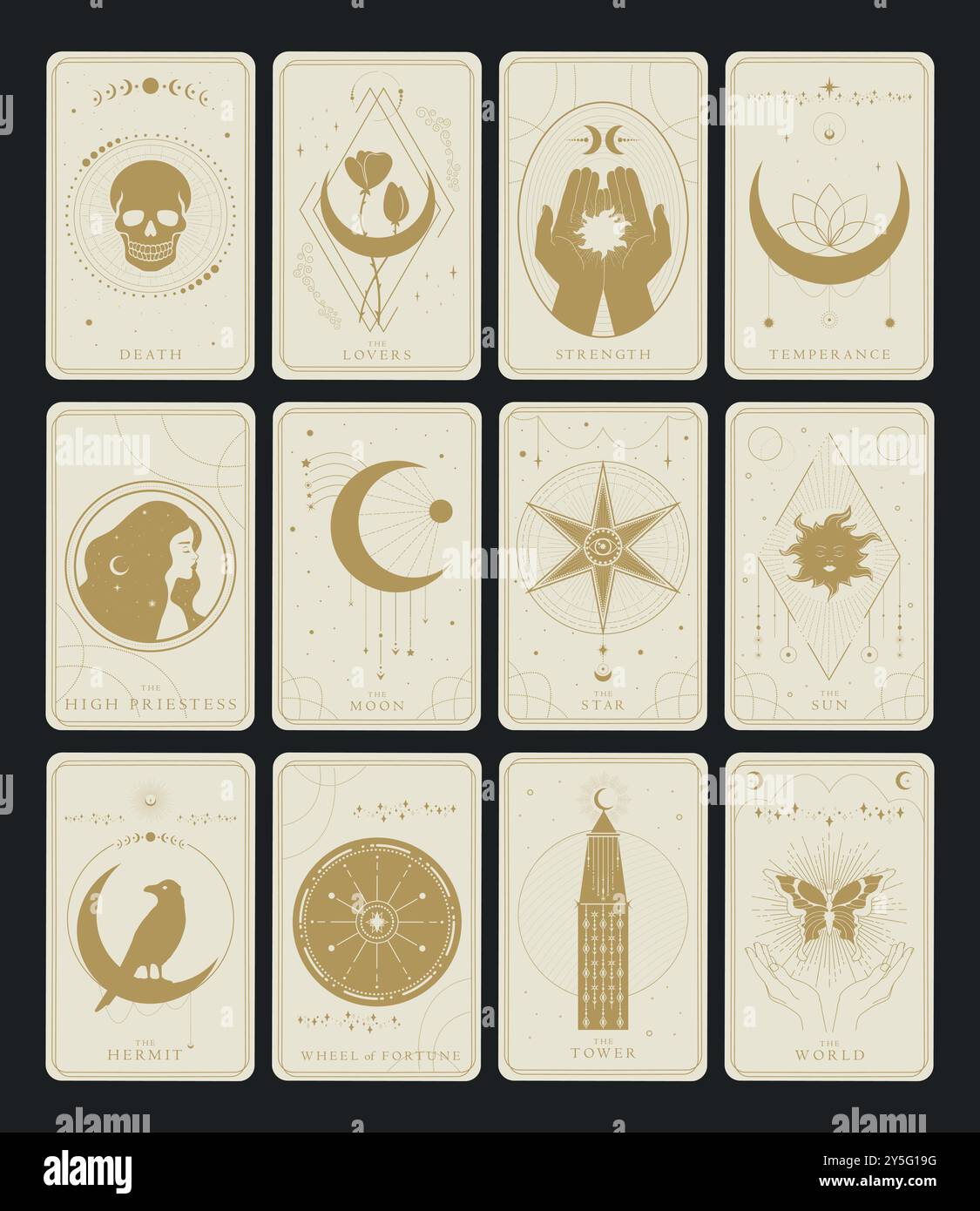
Signs and Gestures: The Silent Language of the Cards
Every gesture in Tarot is deliberate. A figure’s posture, hand position, or gaze can reveal hidden messages. For example:
- Upward Gaze: In The Hierophant or The Star, looking skyward suggests seeking higher knowledge or divine guidance.
- Crossed Arms: Seen in The Hermit or The Devil, this gesture can indicate isolation, protection, or inner conflict.
- Extended Hand: The Magician’s raised hand symbolizes power and manifestation, while The Empress’s nurturing gesture invites abundance.
- Pointing Finger: In The Tower, a finger pointing downward may signify sudden change or revelation.
- Hands on Heart: The Lovers card often depicts this, emphasizing emotional connection and choice.
Challenge Yourself: Next time you draw a card, ask: What is this figure doing, and what does it suggest about my situation? The answer might surprise you.
Hidden Messages in Objects and Animals
Objects and animals in Tarot are never random. They carry symbolic weight that deepens the card’s message. Here are a few key examples:
- Swords: In The Three of Swords, the piercing blades represent heartbreak, but in The Ace of Swords, they symbolize clarity and truth.
- Cups: Overflowing cups in The Ten of Cups denote joy and fulfillment, while empty cups in The Five of Cups suggest loss.
- Animals: The lion in Strength embodies courage and inner power, while the dog in The Moon represents intuition and loyalty.
- Crowns: The crown in The Empress signifies divine femininity, while the broken crown in The Tower hints at shattered illusions.
Fun Exercise: Pick a card like The Chariot. Notice the sphinxes or horses pulling the chariot. What do these creatures represent to you? Their symbolism might add a layer of meaning you hadn’t considered.
Pose a Playful Question: Can You Spot the Symbols?
Let’s put your new knowledge to the test! Examine this classic card: The High Priestess. She sits between two pillars, one black and one white, with a crescent moon at her feet and a scroll in her lap. Now, ask yourself:
- What do the black and white pillars symbolize?
- Why is there a crescent moon beneath her feet?
- What might the scroll represent?
Take a moment to reflect. The answers lie in the symbols themselves: the pillars represent duality (light and dark), the crescent moon signifies intuition and the subconscious, and the scroll hints at hidden knowledge waiting to be revealed. If you guessed these, you’re already thinking like a Tarot symbol detective!
The Challenge: Create Your Own Symbolic Spread
Ready to dive deeper? Here’s a challenge to test your skills:
- Grab a deck and pull three cards at random.
- For each card, identify:
- One dominant color and its emotional impact.
- One gesture or pose made by a figure (if present).
- One object or animal and its symbolic meaning.
- Write a short paragraph interpreting how these symbols relate to your current life situation.
- Share your findings with a friend or journal about them. How did the symbols resonate with you?
This exercise will sharpen your eye for detail and deepen your connection to the Tarot’s language. Remember, there are no wrong answers—only layers of meaning waiting to be uncovered.
Conclusion: Your Journey into Tarot Symbols
Tarot symbols are the keys to a richer, more intuitive reading experience. By understanding colors, gestures, and hidden objects, you transform each card into a story waiting to be told. The next time you shuffle your deck, approach it with curiosity: What is this card trying to say? The answers are in the symbols. Keep practicing, stay open to interpretation, and let the Tarot guide you on your journey of discovery.
FAQ
What do colors signify in Tarot?
Colors in Tarot represent emotional and energetic signatures, with each hue carrying specific meanings that affect the interpretation of the cards.
How can I interpret gestures in Tarot readings?
Gestures in Tarot, such as a figure’s posture or hand position, can reveal deeper messages and insights about the card’s meaning.
Leave a Reply