Short Answer
Welcome to this comprehensive guide on Schizophrenia Tarot – When Cards Reflect Your Mind. Here, you will explore how tarot cards can serve as a reflective tool for understanding the complexities of schizophrenia, both for those experiencing it and their loved ones. This guide covers the symbolic interpretations of tarot in relation to mental health, practical approaches to using tarot for self-reflection, and the therapeutic potential of these cards. Whether you are a tarot enthusiast, someone navigating schizophrenia, or a supporter, this guide offers insights to deepen your understanding and foster meaningful connections with the cards.
The Symbolism of Tarot in Mental Health
Tarot cards are rich in symbolism, each image and archetype representing deeper psychological and emotional states. For individuals with schizophrenia, these symbols can act as mirrors, reflecting fragmented thoughts, emotions, and experiences. The Major Arcana, for example, often depicts universal life themes such as transformation, struggle, and enlightenment. Cards like The Tower or The Hanged Man may resonate with feelings of instability or introspection that are common in schizophrenia. Meanwhile, the Minor Arcana, with its focus on daily experiences, can highlight specific challenges such as anxiety, confusion, or isolation.
Understanding these symbols requires a nuanced approach. For instance, The Fool card, often associated with new beginnings, might represent a moment of clarity or hope amid chaos. Conversely, cards like The Devil or Ten of Swords could symbolize feelings of entrapment or despair. By interpreting these cards through the lens of schizophrenia, readers can gain a unique perspective on their internal landscape, fostering self-awareness and emotional processing.

Using Tarot for Self-Reflection and Coping
Tarot can be a powerful tool for self-reflection, especially when navigating the complexities of schizophrenia. Drawing cards regularly can help individuals identify recurring themes in their thoughts and emotions, providing a structured way to process experiences. For example, pulling The Moon card might indicate feelings of uncertainty or paranoia, while The Star could suggest moments of hope or healing. Keeping a tarot journal to record these interpretations over time can reveal patterns and progress, offering valuable insights into one’s mental health journey.
It’s important to approach tarot with intention and self-compassion. Set aside a quiet space for readings, free from distractions, and approach the cards with an open mind. Asking specific questions like, “What do I need to focus on today?” or “How can I better understand my emotions?” can guide the reading toward meaningful reflections. Additionally, pairing tarot with other coping strategies, such as mindfulness or therapy, can enhance its therapeutic benefits. Remember, tarot is not a substitute for professional mental health care but a complementary tool for exploration and growth.
Therapeutic Potential of Tarot in Schizophrenia
The therapeutic potential of tarot lies in its ability to externalize internal experiences, making abstract thoughts and emotions more tangible. For individuals with schizophrenia, this externalization can be particularly helpful in articulating feelings that are difficult to express verbally. Tarot readings can serve as a bridge between the internal and external worlds, allowing for a deeper understanding of one’s psyche. For instance, a card like The Hermit might reflect a need for solitude and introspection, while The Chariot could symbolize determination and resilience in the face of challenges.
Therapists and mental health professionals have begun to explore tarot as a creative intervention in therapy. By incorporating tarot into sessions, individuals can use the cards to communicate their experiences in a non-threatening way. This approach can be especially beneficial for those who struggle with traditional talk therapy. Additionally, tarot can foster a sense of empowerment, as individuals learn to interpret their own cards and find meaning in their experiences. However, it’s crucial to approach tarot therapy with sensitivity and professional guidance to ensure it aligns with the individual’s needs and recovery goals.

Common Misconceptions and Ethical Considerations
Despite its potential benefits, tarot is often misunderstood, particularly in the context of mental health. One common misconception is that tarot can predict the future or diagnose conditions like schizophrenia. In reality, tarot is a tool for reflection and exploration, not a predictive or diagnostic instrument. It’s essential to approach tarot with a clear understanding of its limitations and to avoid using it as a replacement for professional medical advice.
Ethical considerations also come into play when using tarot in mental health contexts. For individuals with schizophrenia, it’s important to ensure that tarot readings do not exacerbate feelings of confusion or paranoia. Working with a trusted reader or therapist who understands the nuances of mental health can help mitigate these risks. Additionally, tarot should never be used to pressure or manipulate individuals into making decisions they are not comfortable with. Always prioritize the well-being and autonomy of the person seeking guidance.
Practical Tips for Using Tarot with Schizophrenia
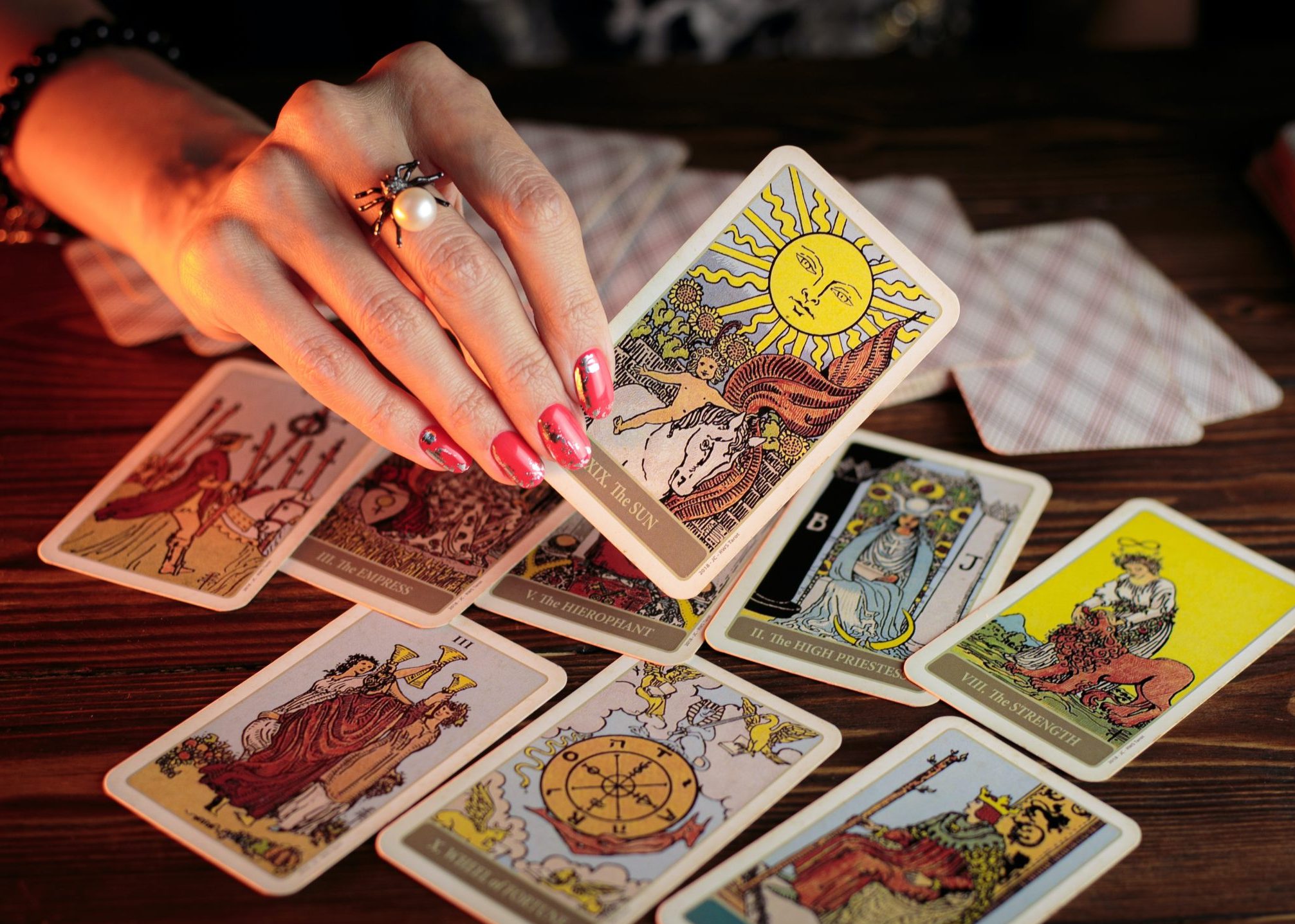
If you or someone you know is interested in using tarot as a tool for reflection, here are some practical tips to get started. First, choose a deck that resonates with you. Some decks feature artwork that may feel more accessible or comforting, while others might feel overwhelming. Take time to familiarize yourself with the imagery and symbolism of your chosen deck. You might also consider working with a guidebook or online resources to deepen your understanding of each card’s meanings.
When conducting a reading, create a calm and safe environment. Light a candle, play soft music, or incorporate other elements that promote relaxation. Start with simple spreads, such as a single-card pull or a three-card spread representing past, present, and future. Focus on asking open-ended questions that encourage self-reflection rather than seeking definitive answers. Remember, the goal is not to predict the future but to gain insight into your current state of mind and emotional landscape.
It can also be helpful to involve a trusted friend, family member, or therapist in the process. Sharing your interpretations with someone else can provide additional perspectives and foster meaningful conversations. However, always respect your boundaries and only share what you feel comfortable with. If at any point tarot feels overwhelming or triggering, take a step back and reassess your approach. Your well-being is the top priority.
Conclusion
Tarot offers a unique and deeply personal way to explore the complexities of schizophrenia, providing a visual and symbolic language for emotions and experiences that can be difficult to articulate. By understanding the symbolism of the cards, using tarot for self-reflection, and recognizing its therapeutic potential, individuals can harness this tool to foster greater self-awareness and emotional resilience. However, it’s crucial to approach tarot with a balanced perspective, acknowledging its limitations and prioritizing ethical considerations.
Whether you are using tarot as a personal tool or incorporating it into a therapeutic practice, remember that it is just one of many resources available. Combining tarot with professional mental health support, mindfulness practices, and a strong support network can create a holistic approach to well-being. Ultimately, tarot can serve as a powerful companion on the journey toward understanding and healing, offering insights and reflections that resonate with the unique challenges and triumphs of living with schizophrenia.
FAQ
Can tarot predict the future?
No, tarot is not a predictive tool but a means for self-reflection and exploration.
How can tarot help individuals with schizophrenia?
Tarot can help individuals articulate complex emotions, identify patterns in their thoughts, and foster self-awareness.
Leave a Reply