Short Answer
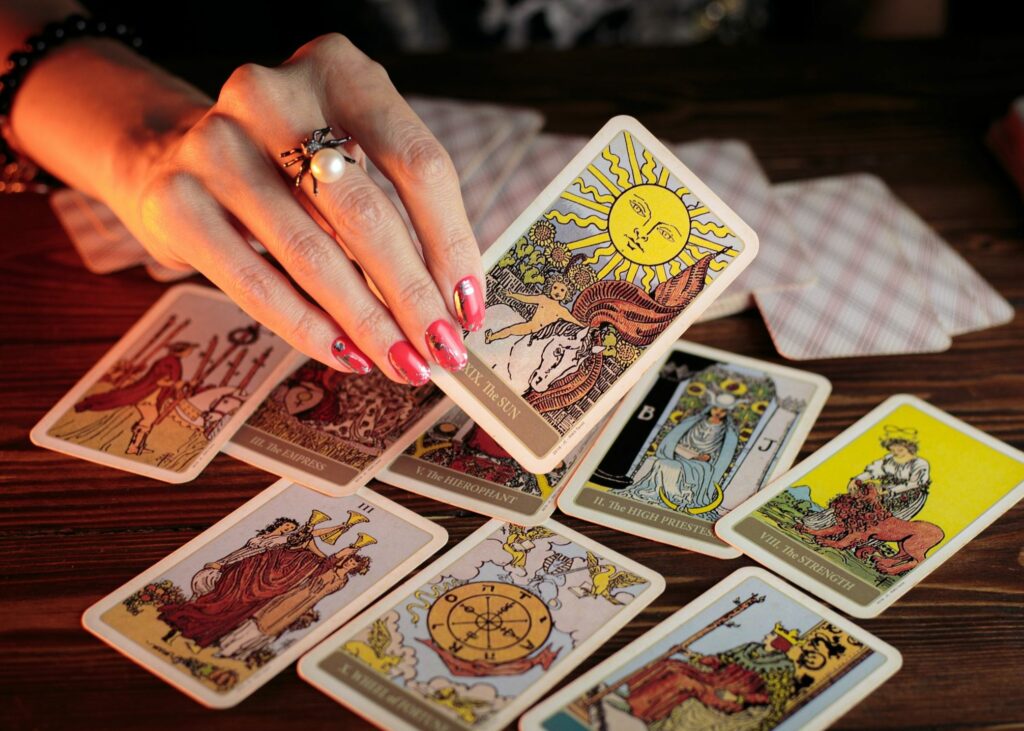
Understanding the intricate symbolism of the Rider Waite Tarot deck requires a multifaceted approach, especially when viewed through the lens of Christian theology. The images depicted in this deck are steeped in esoteric meaning, often intertwining with biblical principles and moral lessons. By examining the archetypes and narratives present in the cards, one can glean insights not only into the mysteries of the Tarot but also into the broader human experience examined through a Christian perspective.
The Fool, the pivotal archetype of new beginnings, resonates deeply with biblical themes of faith and innocence. This card, depicting a carefree wanderer, embodies the essence of a leap into the unknown. Much like Abraham’s call to leave his homeland, The Fool encourages believers to embrace uncertainty with trust in divine providence. The dog at the Fool’s feet symbolizes loyalty and instinct, reflecting the urging of the Holy Spirit guiding one’s path. Here lies an intriguing moment; the juxtaposition of folly and divinity encourages Christians to consider the delicate balance between rashness and faith.
As we transition to The Magician, one encounters a representation of manifestation and intention. This card illustrates the power of creation and the mastery of one’s resources. In a Christian context, it invokes the doctrine of free will and the divine gift of agency—commands to “create” and “cultivate” found in Genesis. The Magician deftly reminds the believer that through prayer and action, one can channel divine energy to effectuate change. The symbols of the four elements on the table further underscore the principle that everything is interconnected under God’s sovereign design.
Next, we meet The High Priestess, a figure shrouded in mystery and intuition. In biblical tradition, wisdom is often personified as a woman—exemplified in the Book of Proverbs. The High Priestess invites Christians to seek inner truth and spiritual understanding beyond mere textual engagement. Her veiled countenance signifies the importance of contemplation and prayer, urging adherents not to settle for surface-level interpretations of scripture. The moon beneath her feet symbolizes the cyclical nature of existence, much akin to the spiritual journeys we all traverse.
Conversely, The Empress resonates with themes of nurturing and abundance. This card symbolizes fertility—both in a literal and metaphorical sense. Christian theology extols the virtues of motherhood and creation. The Empress embodies God’s provision, representing the lush creation that supports life. Much like the parable of the Good Samaritan, her presence enunciates a call to compassion and generosity. She encourages believers to cultivate a spirit of love, sowing seeds of kindness that echo through the lives of others.
Transitioning to The Emperor, the archetype of authority and order, one encounters a refreshing yet stringent call to structure. In the framework of Christianity, this card could symbolize divine authority, encapsulating God’s role as a sovereign leader of the universe. The steadfastness exemplified by The Emperor instills a sense of responsibility among believers—to lead with integrity and moral fortitude in their respective domains. Thus, this card challenges the faithful to assess their leadership and influence within their communities, echoing the teachings of servitude exhibited by Jesus Himself.
As the narrative unfolds with The Hierophant, the focus shifts to spiritual guidance and tradition. This card can be interpreted through the lens of the Church and its role in mediating understanding between the divine and human realms. The Hierophant emphasizes the importance of community and doctrine, paralleling the call to fellowship found in the New Testament. Herein lies a poignant reminder that spiritual journeys are rarely solitary. They are journeys undertaken alongside a community that collectively seeks truth.
Moving along, The Lovers depict the theme of relationships, choice, and duality. Within Christian doctrine, this card can symbolize not only romantic love but also the greater covenant between God and humanity. The essence of choice—echoed through Adam and Eve—underscores the importance of decisions that shape one’s destiny. The intertwining of spiritual and earthly relationships calls for a deep reflection on fidelity and commitment, further reinforcing the notion that love is an essential pillar of faith.
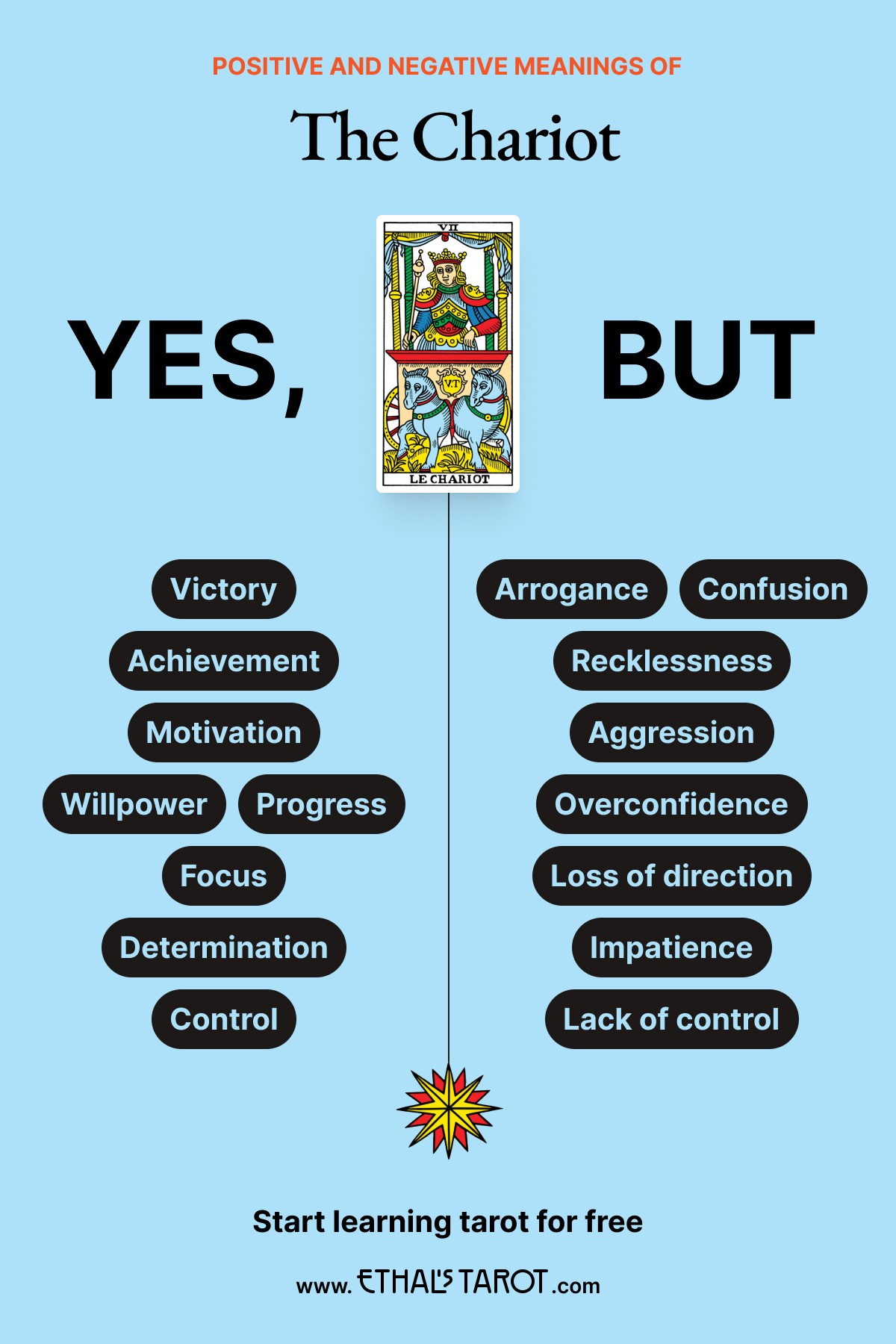
On the contrary, The Chariot signifies victory over adversity through willpower and perseverance. In a biblical sense, this card embodies the journey of the Israelites through the wilderness, drawing parallels to the trials faced by many believers. It is a visual representation of strength regained through faith, where the armor one wears is not of metal, but of spiritual resilience wrought by divine support. Christians are called to harness the inner strength to overcome life’s obstacles, employing steadfast faith as their guide.
The subsequent cards, such as Justice, Strength, and The Hermit delve into ethical considerations. Justice relates closely to fairness and moral rectitude, echoing Christ’s teachings on love and righteousness. Strength embodies the courage to act rightly in the face of temptation, advocating for compassion over might. The Hermit, meanwhile, calls believers to introspection and personal growth through solitude. This quiet reflection aligns with the Christian practice of meditation and prayer, encouraging spiritual rejuvenation through communion with God.
Finally, The Wheel of Fortune introduces the cyclical nature of life—an affirmation of God’s omnipotence and providence. Everything is transient, much like the ebbs and flows depicted in Ecclesiastes. Christians recognize this as an invitation to trust in God’s plan, reassuring seekers that even during life’s trials, there lies purpose with every twist of fate.
In conclusion, examining the Rider Waite Tarot deck through a Christian lens reveals a rich tapestry of narrative and symbolism. Each card invites believers to reflect deeply on their spiritual journey while uncovering profound truths about faith, morality, and the interconnectedness of all things divine. By embracing both tarot and Christianity, one discovers a unique confluence of guidance and insight that nurtures the soul and inspires action.
FAQ
What is the Rider Waite Tarot deck?
The Rider Waite Tarot deck is one of the most popular and widely used Tarot decks, known for its rich symbolism and imagery that aids in intuitive readings.
How can the Tarot be interpreted through a Christian perspective?
The Tarot can be viewed through a Christian lens by examining the archetypes in the cards and how they relate to biblical themes, such as faith, morality, and spiritual growth.
What do the Major Arcana cards represent?
The Major Arcana cards represent significant life themes and lessons, often reflecting deep spiritual truths and personal transformations.

Leave a Reply