Short Answer
Welcome to a deep exploration of Strife, the eighth card in the Thoth Tarot deck, crafted by Aleister Crowley and Lady Frieda Harris. This guide will unravel the complexities of this intense card, offering insights into its symbolism, interpretations, and practical applications in readings. Whether you’re a seasoned tarot reader or a curious beginner, you’ll discover how Strife challenges, transforms, and ultimately strengthens those who engage with its energy.
The Essence of Strife in the Thoth Tarot
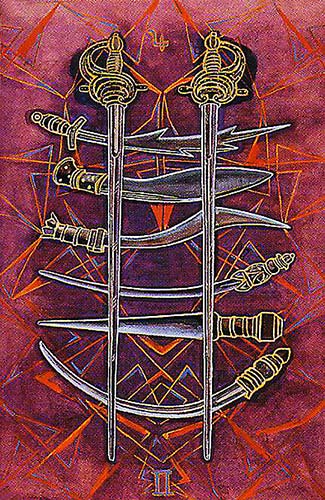
Strife, also known as the Eight of Swords in the Thoth Tarot, embodies conflict, tension, and the struggle for resolution. Unlike traditional interpretations that may focus solely on restriction, the Thoth deck elevates Strife to a higher plane, framing it as a necessary crucible for growth. Crowley himself described this card as a “terrible ordeal,” where the querent is forced to confront inner and outer conflicts to emerge victorious. The card’s imagery—often featuring a figure bound yet surrounded by swords—symbolizes the illusion of confinement, suggesting that liberation lies in recognizing the self-imposed nature of one’s struggles.
Symbolism and Imagery: Decoding the Card’s Layers
The Thoth Tarot’s Strife card is rich with esoteric symbolism, each element offering a layer of meaning. The central figure, often depicted as a bound woman, represents the querent’s psyche trapped in a cycle of self-doubt or external pressure. The eight swords surrounding her are not just barriers but tools—each one a potential path to freedom if wielded with intention. The colors, predominantly red and black, signify passion and the unknown, while the background’s swirling patterns evoke chaos and transformation. The Hebrew letter associated with Strife, “Heth,” further ties the card to the astrological sign of Virgo, emphasizing themes of service, sacrifice, and purification through struggle.
Strife in a Reading: Upright and Reversed Meanings
Upright Strife: When Strife appears upright in a reading, it signals a period of intense challenge, but not without purpose. This card often indicates a conflict—whether internal, such as self-sabotage, or external, like a difficult decision—that must be faced head-on. The querent may feel overwhelmed, but the card reassures them that clarity will come through perseverance. It’s a call to action, urging the querent to cut through illusions and take responsibility for their circumstances. In matters of love, Strife might point to a relationship tested by differences; in career, it could highlight a project requiring bold choices.
Reversed Strife: When reversed, Strife takes on a different tone, revealing the querent’s avoidance of necessary conflict or their tendency to create drama where none exists. This position suggests stagnation, where fear of confrontation leads to prolonged suffering. Alternatively, it may indicate that the querent has already endured the struggle and is now reaping the rewards of their resilience. In some cases, reversed Strife warns against becoming overly aggressive or manipulative in pursuit of goals, as the energy of the card can turn destructive without balance.
Strife and the Element of Air: The Mental Battlefield
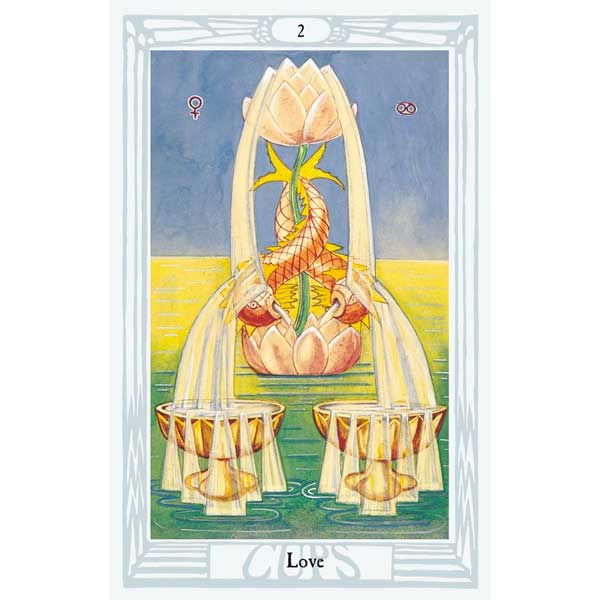
As a card of the suit of Swords in the Thoth Tarot, Strife is deeply connected to the element of Air, which governs intellect, communication, and conflict. The mental turmoil represented by Strife is not merely emotional but a clash of ideas, beliefs, or ideologies. Crowley linked this card to the sephirah Geburah on the Tree of Life, the sphere of severity and divine justice. This connection underscores Strife’s role as a purifying force—one that burns away illusions to reveal truth. For the querent, this means that the “exhaustion” of Strife is not in vain; it is the friction that forges strength and wisdom.
Practical Applications: How to Work with Strife’s Energy
Engaging with Strife’s energy requires both courage and strategy. Here are practical ways to harness its power in readings and personal growth:
- Journaling Prompts: “What conflicts am I avoiding, and why?” or “How can I reframe this struggle as an opportunity for growth?”
- Meditation: Visualize the bound figure in Strife cutting through the swords with a single, decisive action. This exercise can help the querent identify their own “swords” and how to dismantle them.
- Ritual Work: Light a red candle (for passion) and a black candle (for transformation) while focusing on releasing self-imposed limitations. Write down a current struggle on paper, then safely burn it as a symbolic act of surrender.
- Tarot Spreads: Use Strife as the significator in a spread focused on overcoming obstacles. Place cards around it to explore the roots of the conflict, potential outcomes, and the querent’s strengths.
Strife in Relationships, Career, and Personal Growth
Relationships: Strife in a love reading may indicate a period of tension, but it’s also a sign that the relationship is being tested for authenticity. The card asks: Are you and your partner truly communicating, or are you trapped in cycles of blame? Strife encourages honest conversations and the courage to face uncomfortable truths.
Career: In a professional context, Strife could signal a high-stakes decision, a competitive environment, or a project that demands innovation. It’s a reminder that growth often comes from discomfort. The querent might need to take a bold step, such as negotiating a raise or pivoting to a new path, despite the risks.
Personal Growth: On a deeper level, Strife is a card of initiation. It marks the end of one phase and the beginning of another, where the querent must shed old patterns to embrace a stronger version of themselves. This card often appears during times of major life changes, such as leaving a toxic situation or pursuing a long-held dream.
Common Misconceptions About Strife
One of the biggest misconceptions about Strife is that it is purely negative. While it’s true that the card embodies struggle, its purpose is not to punish but to empower. Another myth is that Strife always indicates failure; in reality, it highlights the process of overcoming obstacles, which is a form of success in itself. Additionally, some readers mistakenly associate Strife solely with external conflicts, overlooking its role in exposing internal battles, such as self-doubt or indecision.
Conclusion
Strife in the Thoth Tarot is far more than a card of hardship—it is a testament to the transformative power of conflict. By embracing the challenges it presents, the querent can break free from illusions, cultivate resilience, and emerge stronger. Whether it appears in a reading as a warning or a call to action, Strife reminds us that exhaustion is often the precursor to enlightenment. The next time this card graces your spread, see it not as a burden, but as an invitation to rise, armed with the clarity and courage born from struggle.
FAQ
What does the Strife card represent in Tarot?
The Strife card represents conflict, tension, and the struggle for resolution, emphasizing growth through challenges.
How should the Strife card be interpreted in a reading?
In a reading, the Strife card can indicate necessary challenges that must be faced, either internally or externally.
Leave a Reply