Short Answer
This guide provides a comprehensive exploration of the Rider Waite Tarot, one of the most influential and widely recognized tarot decks in the world. Whether you’re a beginner seeking foundational knowledge or an experienced reader looking to deepen your understanding, this resource covers everything from the deck’s historical significance to practical uses, variations, and how to choose the right version for your needs. By the end, you’ll have a thorough grasp of what makes the Rider Waite Tarot a timeless classic and how to integrate it into your spiritual or divinatory practice.
What Is the Rider Waite Tarot?
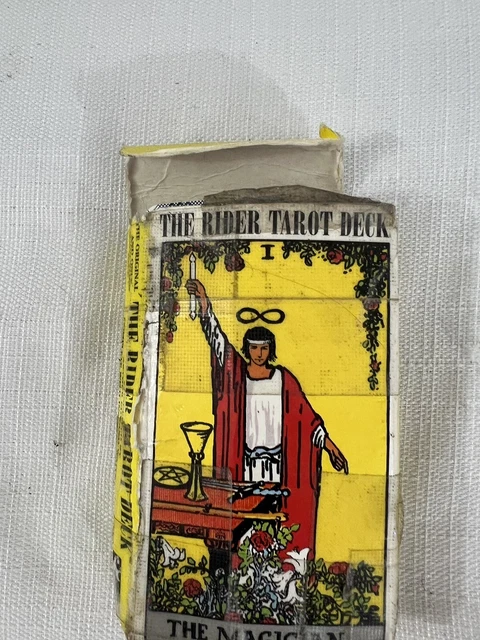
The Rider Waite Tarot is a 78-card tarot deck that was first published in 1909. Created by artist Pamela Colman Smith under the guidance of mystic A.E. Waite, this deck revolutionized tarot by introducing vivid, symbolic imagery on all 78 cards—including the Minor Arcana. Unlike earlier decks that depicted only the Major Arcana with illustrations, the Rider Waite Tarot’s Minor Arcana cards feature rich, narrative scenes that make the deck accessible and intuitive for readers of all levels. The deck’s name comes from its publishers: the Rider Company and William Rider & Son, with Waite’s name added for recognition. Its blend of esoteric tradition and artistic innovation has cemented its status as the gold standard in tarot, influencing countless decks that followed.
The Structure of the Rider Waite Tarot Deck
The Rider Waite Tarot consists of two main sections: the Major Arcana and the Minor Arcana. The Major Arcana contains 22 cards, each representing significant life themes, spiritual lessons, or archetypal energies. These cards, such as The Fool, The Lovers, and Death, often signify major life events or internal transformations. The Minor Arcana includes 56 cards divided into four suits—Wands, Cups, Swords, and Pentacles—each corresponding to a different aspect of daily life. Wands relate to creativity and passion, Cups to emotions and relationships, Swords to intellect and conflict, and Pentacles to material wealth and practicality. Each suit contains 14 cards: Ace through 10, plus four court cards (Page, Knight, Queen, King). This structure allows for nuanced readings that reflect both grand cosmic themes and everyday experiences.
Historical Significance and Cultural Impact
The Rider Waite Tarot emerged during a pivotal moment in Western esotericism, at the turn of the 20th century, when interest in mysticism, astrology, and the occult was surging. A.E. Waite, a member of the Hermetic Order of the Golden Dawn, sought to create a deck that aligned with the symbolic language of that tradition while making it accessible to the public. Pamela Colman Smith’s artwork—inspired by art nouveau and symbolist movements—brought a fresh, emotionally resonant visual language to tarot. The deck’s publication democratized tarot, shifting it from a tool used primarily by secret societies to a widely available instrument for self-reflection and divination. Its influence can be seen in modern pop culture, psychology (e.g., Carl Jung’s concept of archetypes), and countless tarot decks that borrow its imagery or structure.
How to Use the Rider Waite Tarot for Readings
Using the Rider Waite Tarot effectively begins with familiarizing yourself with the cards. Start by studying the imagery, symbols, and traditional meanings of each card. Many beginners find it helpful to pull one card daily for meditation or reflection, noting how the card’s message resonates with their current life. For more structured readings, spreads like the Celtic Cross or a simple three-card spread (past, present, future) can provide clarity. When interpreting cards, consider both their upright and reversed meanings, though some readers prefer to focus solely on the imagery without reversals. Trust your intuition—often, the card’s visual narrative will speak to you in ways that go beyond traditional guidebooks. Keep a journal to track your readings and observe patterns over time.
Variations and Modern Adaptations of the Rider Waite Tarot
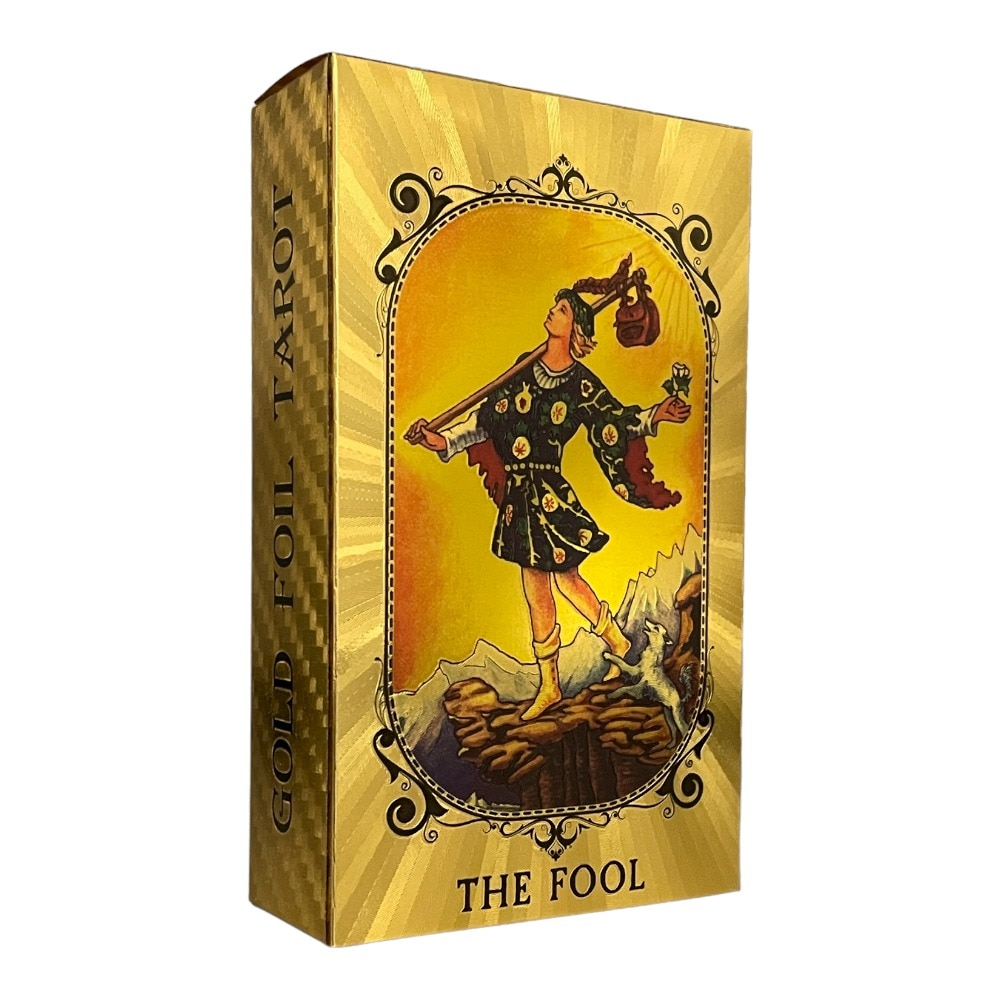
While the original Rider Waite Tarot remains the most iconic, numerous variations have been released over the years, each offering a unique aesthetic or thematic twist. Some popular adaptations include the Radiant Rider Waite, which features brighter, more saturated colors; the Universal Waite, with simplified imagery for easier interpretation; and the GOLD & BOLD Edition, which uses metallic foil accents for a luxurious feel. Themed decks like the Rider Waite Tarot of the Divine or Light Seer’s Tarot (inspired by the Rider Waite structure) blend traditional symbolism with contemporary art styles. These variations allow readers to choose a deck that resonates with their personal taste or spiritual path while retaining the core structure and meanings of the original.
Choosing the Right Rider Waite Tarot Deck for You
Selecting a Rider Waite Tarot deck depends on your preferences and how you plan to use it. If you value authenticity and historical accuracy, the original deck or a close reproduction (like the Rider Tarot Deck by US Games Systems) is ideal. For those who prefer vibrant, modern artwork, the Radiant Rider Waite offers enhanced clarity. Collectors or readers who enjoy tactile luxury might opt for a premium edition with foil accents or linen-finish cards. Consider the deck’s size as well—standard decks measure approximately 2.75 x 4.75 inches, but smaller or larger versions are available. If you’re new to tarot, a deck with a companion guidebook (like the Rider Waite Tarot Guide to the Cards) can be invaluable. Ultimately, choose a deck that feels energetically aligned with you and inspires confidence in your readings.
Common Misconceptions About the Rider Waite Tarot
One of the most persistent myths is that the Rider Waite Tarot is only for beginners. While its accessible imagery makes it a great starting point, experienced readers often return to it for its depth and versatility. Another misconception is that the deck is inherently “predictive.” While tarot can offer insights into potential outcomes, it’s ultimately a tool for reflection and empowerment, not a fixed script for the future. Some also believe that reversed cards (upside-down cards) are universally negative; in reality, reversals can indicate blocked energy, internal struggles, or a need to reconsider a situation from a different angle. Finally, there’s a notion that you must follow traditional meanings rigidly—while guidebooks are helpful, intuition and personal connection to the cards are equally important.
Conclusion
The Rider Waite Tarot stands as a cornerstone of tarot tradition, celebrated for its rich symbolism, historical depth, and adaptability. Whether you’re drawn to its classic imagery, exploring its variations, or integrating it into your spiritual practice, this deck offers endless possibilities for discovery. From understanding its structure to using it in readings and selecting the right version for you, the Rider Waite Tarot provides a gateway into the world of divination and self-awareness. As you deepen your relationship with the cards, you’ll find that their messages evolve with you, offering guidance, clarity, and inspiration at every stage of your journey. Embrace the process of learning and connecting with the deck—its wisdom is as timeless as the art itself.
FAQ
What is the Rider Waite Tarot?
The Rider Waite Tarot is a 78-card deck known for its symbolic imagery and historical significance, making it a foundational tool for both beginners and experienced readers.
How do I choose the right Rider Waite Tarot deck?
Selecting a Rider Waite Tarot deck depends on your preferences regarding artwork, size, and whether you prefer a deck with a companion guidebook.
Leave a Reply