Short Answer
Ever wondered why the Suit of Swords in tarot feels like a stormy duel between your heart and your head? Whether you’re a seasoned reader or just dipping your toes into the mystical waters of tarot, understanding the Suit of Swords can feel like navigating a labyrinth of sharp intellect, raw emotions, and moral dilemmas. But what if the real battle isn’t out there—it’s inside your own mind? In this guide, we’ll unravel the mysteries of the Suit of Swords, exploring its symbolism, meanings, and how it challenges us to confront our deepest thoughts and fears. By the end, you’ll not only grasp the essence of these cards but also learn how to wield their insights like a seasoned warrior. Ready to sharpen your understanding? Let’s begin.
The Suit of Swords: A Double-Edged Sword of Intellect and Conflict
The Suit of Swords is often seen as the “painful” suit of the tarot deck, and for good reason. Representing the element of air, it governs the mind, communication, conflict, and truth—both the kind that liberates and the kind that wounds. Unlike the warm, nurturing energy of Cups or the grounded stability of Pentacles, Swords deal with the cold, unyielding truths of logic, decisions, and the consequences of our actions. When Swords appear in a reading, they rarely bring comfort. Instead, they challenge you to face uncomfortable realities, make tough choices, or even confront betrayal or loss.
Imagine the Suit of Swords as a knight’s armor: protective, but heavy; essential, but restrictive. It’s the part of you that analyzes, judges, and strategizes—but it’s also the part that can cut deep with words or thoughts. The key to working with Swords lies in balance. Too much air (too much thinking, overanalyzing) can leave you paralyzed by indecision or trapped in mental loops. Too little, and you risk acting impulsively or ignoring critical truths. The Suit of Swords asks you to find harmony between mind and heart, logic and intuition.
:max_bytes(150000):strip_icc()/SwordsP-5a56a29f47c26600371b94e9.jpg)
Key Themes in the Suit of Swords: Truth, Conflict, and the Power of Words
The Suit of Swords revolves around several core themes that shape its meanings in a reading. Understanding these themes will help you interpret the cards more intuitively.
Truth and Clarity: Swords cut through illusion, revealing what’s real—even when the truth is painful. They encourage honesty, both with yourself and others, and often signal a need to confront a situation head-on. A Swords card might appear when you’re avoiding a difficult conversation or when someone is being less than truthful with you.
Conflict and Challenge: Whether internal or external, conflict is a hallmark of the Suit of Swords. This could manifest as a disagreement with a loved one, a moral dilemma, or an internal struggle between what you want and what you *should* do. Swords don’t shy away from these battles; they urge you to face them with courage and strategy.
Communication and Intellect: Words have power, and Swords highlight the impact of language—both spoken and unspoken. A Swords card might indicate a need to express yourself clearly, to listen more deeply, or to be mindful of how your words affect others. It can also warn against gossip, manipulation, or harsh criticism.
Decision-Making and Consequences: The Suit of Swords is closely tied to choices and their outcomes. When these cards appear, they often signal a crossroads where your decisions will have significant repercussions. They ask you to weigh your options carefully, considering both the logical and emotional implications.
Interpreting Individual Swords Cards: From Ace to King
Each card in the Suit of Swords carries its own unique energy, from the raw potential of the Ace to the mature wisdom of the King. Here’s a breakdown of their core meanings:
Ace of Swords
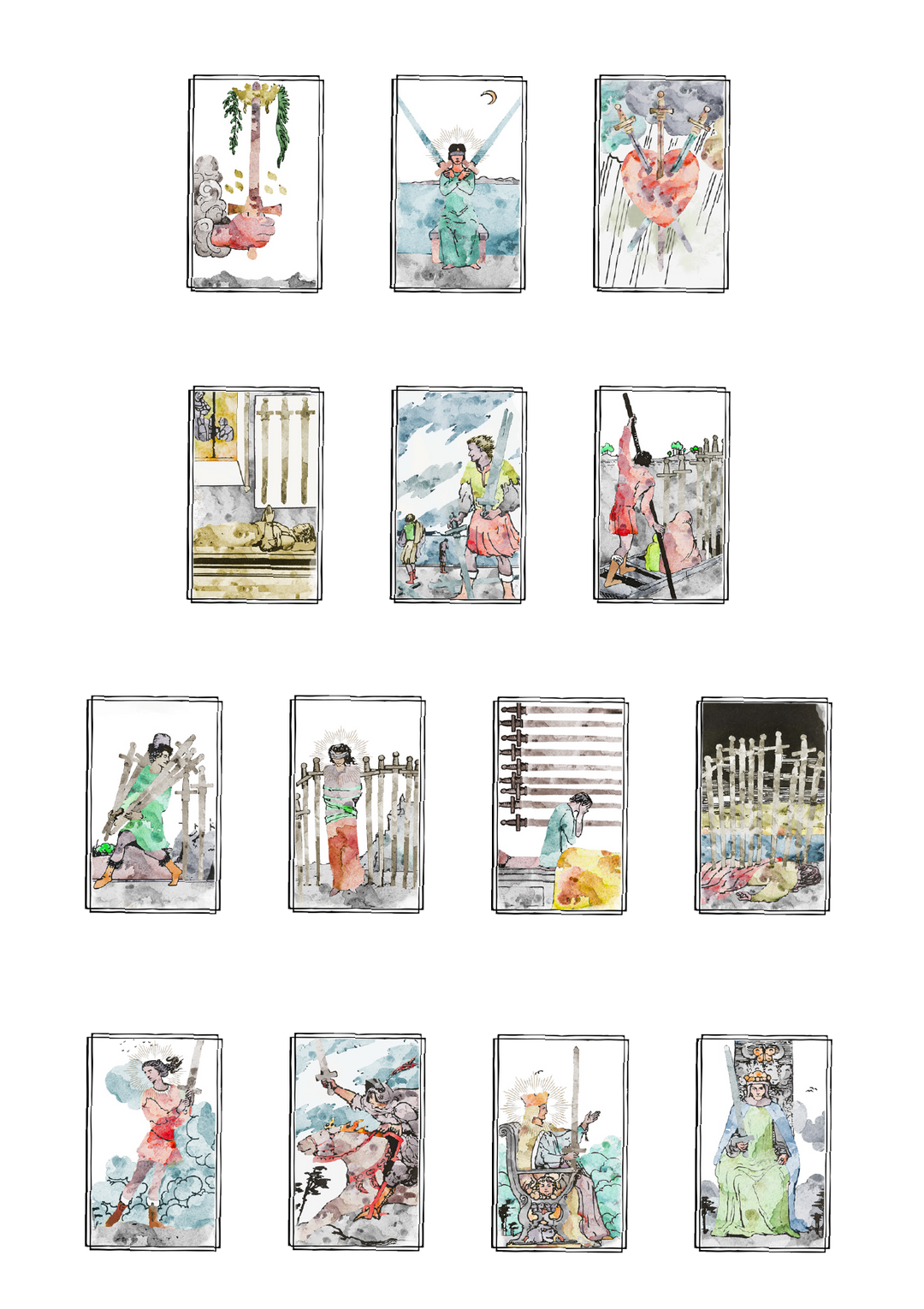
The Ace of Swords is a card of breakthroughs and clarity. It represents a sudden flash of insight, a moment of mental sharpness, or the birth of a new idea. This card often appears when you’re on the verge of solving a problem or when truth is finally revealed. However, it can also warn against overconfidence—just because you *see* the solution doesn’t mean you should act on it immediately. The Ace of Swords is a double-edged gift; use it wisely.
Two of Swords
Stuck in the middle? The Two of Swords depicts a figure blindfolded, holding two crossed swords. This card represents indecision, stalemate, or avoidance. You might be weighing two options, but fear of making the wrong choice is paralyzing you. The blindfold suggests that you’re ignoring an obvious truth or refusing to see a situation clearly. To move forward, you’ll need to remove the blindfold—even if it means facing discomfort.
Three of Swords
Ouch. The Three of Swords is one of the most painful cards in the deck, showing a heart pierced by three swords. It symbolizes heartbreak, betrayal, or grief—often the result of words or actions that cut deep. This card doesn’t just represent emotional pain; it also highlights the importance of healing. If you’re experiencing a Three of Swords moment, allow yourself to grieve, but also remember that pain is temporary. This card can also indicate a need to release old wounds and forgive—both others and yourself.
Four of Swords
After the storm comes rest. The Four of Swords shows a figure lying in repose, swords hanging above them like a reminder of past battles. This card is all about recovery, contemplation, and taking a pause. If you’ve been pushing yourself too hard, the Four of Swords is a gentle nudge to slow down, reflect, and recharge. It’s not laziness; it’s strategic retreat. Use this time to process your experiences and prepare for the next phase of your journey.
Five of Swords
Victory at what cost? The Five of Swords depicts a figure standing over two defeated opponents, holding three swords while the others drop theirs. This card represents conflict where someone “wins” but at the expense of others—or themselves. It can indicate bullying, manipulation, or a situation where you feel like you’ve had to compromise your values to come out on top. The Five of Swords warns against gloating or holding onto resentment. True victory comes from integrity, not domination.
Six of Swords
Crossing troubled waters. The Six of Swords shows a boat carrying a small group away from a stormy shore toward calmer waters. This card symbolizes transition, moving on from a difficult situation, and finding peace after turmoil. It’s a sign that you’re leaving behind old baggage—whether it’s a toxic relationship, a draining job, or a cycle of negativity. The Six of Swords encourages you to trust the process and know that better days are ahead.
Seven of Swords
Sneaky or strategic? The Seven of Swords features a figure sneaking away with five swords while two remain behind. This card can represent deception, whether you’re the one being dishonest or the one who feels deceived. It might also indicate a need for stealth or cleverness in a tricky situation. However, the Seven of Swords also warns against cutting corners or betraying your own integrity. Ask yourself: Are your actions aligned with your values?
Eight of Swords
Trapped in your own mind. The Eight of Swords shows a blindfolded figure surrounded by eight swords, seemingly unable to escape. This card is all about feeling stuck due to self-imposed limitations, overthinking, or fear. The blindfold suggests that you’re not seeing the full picture—or worse, you’re refusing to. To break free, you’ll need to challenge your own beliefs and step outside your comfort zone. The Eight of Swords is a reminder that the prison bars are often made of your own thoughts.
Nine of Swords
Nightmares and anxiety. The Nine of Swords depicts a person sitting up in bed, head in hands, with nine swords hanging on the wall behind them. This card is the embodiment of worry, guilt, and sleepless nights. It often appears when you’re overanalyzing a situation or imagining the worst-case scenario. The Nine of Swords is a call to address your fears head-on rather than letting them spiral. Ask yourself: Are these worries based in reality, or are they products of your imagination?
Ten of Swords
The end of a cycle. The Ten of Swords shows a figure lying on the ground with ten swords in their back—a graphic image of defeat. However, this card isn’t as dire as it seems. The Ten of Swords represents the painful but necessary end of a chapter. It’s the bottoming out before a rebirth. If this card appears, it’s a sign that a situation has run its course, and it’s time to let go. The pain you’re feeling is the birth pangs of something new.
Page of Swords
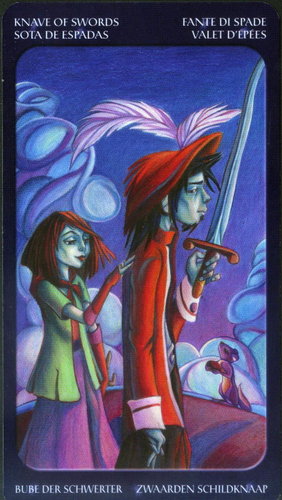
Curiosity and new ideas. The Page of Swords is a youthful, energetic card representing a curious mind, a thirst for knowledge, or a new intellectual pursuit. This could be a student, a writer, or someone with a fresh perspective. The Page of Swords encourages you to stay open-minded and explore new ideas—but beware of scattered energy. This card can also indicate gossip or someone who talks too much without thinking.
Knight of Swords
Action and impulsivity. The Knight of Swords is a whirlwind of energy—fast-moving, direct, and sometimes reckless. This card represents someone who charges ahead without considering the consequences, or a situation where impulsivity is at play. The Knight of Swords can be a force for good when channeled productively, but it can also lead to conflict or burnout. If this card appears, ask yourself: Are you acting with purpose, or are you just reacting?
Queen of Swords
Wisdom and independence. The Queen of Swords is a powerful figure, often depicted as a stern but fair woman holding a sword aloft. She represents clear thinking, independence, and the ability to cut through nonsense. This card is a reminder to be honest with yourself and others, even when the truth is uncomfortable. The Queen of Swords also encourages you to stand your ground and not let emotions cloud your judgment.
King of Swords
Mastery of intellect. The King of Swords is the ultimate strategist—a leader who combines logic, fairness, and authority. This card represents someone who has honed their mental faculties to a razor’s edge, using their intelligence to guide others with wisdom and precision. If the King of Swords appears in a reading, it’s a sign to trust your intellect but also to temper it with compassion. True mastery isn’t just about being right; it’s about using your knowledge for good.
How to Work with the Suit of Swords in Readings
Reading the Suit of Swords requires a balance of intuition and logic. Here are some tips to help you interpret these cards more effectively:
- Look for patterns: If multiple Swords cards appear in a reading, it’s a strong indication that mental or emotional conflict is at play. Pay attention to the specific cards and their positions (past, present, future) to understand the nature of the challenge.
- Consider the context: A Swords card in a career reading might indicate a need for clear communication or a tough decision, while the same card in a love reading could point to an honest but painful conversation.
- Watch for reversals: Reversed Swords often amplify the card’s core themes. For example, the reversed Three of Swords might indicate prolonged grief or an inability to move on, while the reversed Eight of Swords could suggest deep-seated fear or self-sabotage.
- Ask the right questions: When a Swords card appears, ask yourself: What truth am I avoiding? What conflict do I need to face? How can I communicate more clearly?
Conclusion: Embracing the Sharp Edge of the Suit of Swords
The Suit of Swords may feel like a relentless storm, but it’s also a catalyst for growth. These cards don’t just bring pain—they bring clarity, courage, and the opportunity to rise stronger from life’s battles. Whether you’re facing a tough decision, navigating a conflict, or simply trying to quiet the noise in your mind, the Suit of Swords offers a mirror to your inner world. It challenges you to think critically, speak honestly, and act with intention.
Remember, the sharpest blade is also the most precise. Use the insights of the Suit of Swords not to wound, but to illuminate. Let these cards guide you toward truth—not to punish you, but to set you free. The next time a Swords card appears in your reading, take a deep breath and ask yourself: What is this card trying to teach me? The answer might just be the key to your next breakthrough.
FAQ
What does the Suit of Swords represent in tarot?
The Suit of Swords represents intellect, communication, conflict, and truth, often highlighting challenges and difficult decisions.
How do I interpret the Ace of Swords?
The Ace of Swords symbolizes breakthroughs and clarity, indicating a moment of insight or the birth of a new idea.
Leave a Reply