Short Answer
Embarking on your tarot journey can feel like stepping into a labyrinth of symbols, where each card whispers ancient secrets and the deck itself becomes a mirror to your soul. This guide is your lantern in the shadows, illuminating the path for beginners who seek not just to read the cards, but to dance with their wisdom. You’ll uncover the essence of an easy tarot deck, learn how to navigate its imagery, and discover why simplicity often holds the deepest magic. By the end, you’ll not only understand the mechanics of tarot but also feel the pulse of its metaphorical heartbeat—where every card is a story waiting to unfold.
The Allure of the Easy Tarot Deck: Why Simplicity Speaks Volumes
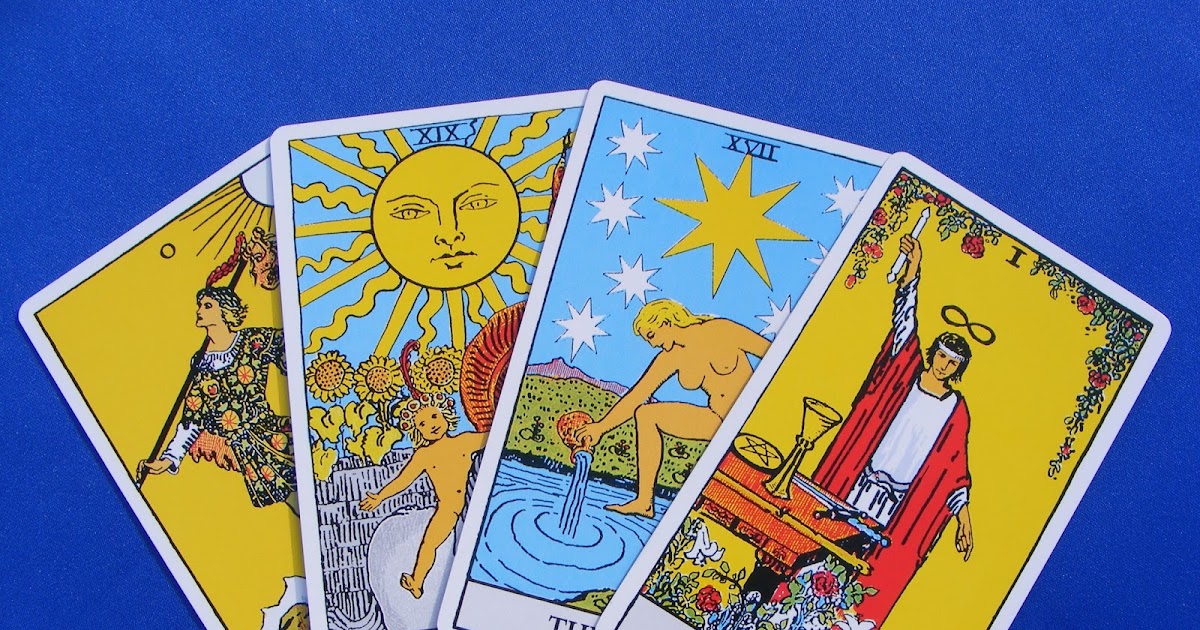
Imagine holding a deck where the images are clear, the symbols are intuitive, and the guidebook feels like a trusted friend rather than a cryptic manual. An easy tarot deck is designed to bridge the gap between mystery and accessibility, making it ideal for those who are new to the art of divination. Unlike traditional decks that may overwhelm with dense symbolism, these decks often feature straightforward imagery—think vibrant colors, bold lines, and archetypes that resonate universally. This simplicity doesn’t dilute the power of the cards; instead, it amplifies their clarity, allowing you to focus on the messages rather than deciphering hidden meanings.
The appeal lies in the deck’s ability to speak to the heart before the mind. For instance, a card like The Fool might depict a figure stepping off a cliff with a loyal dog by their side, a scene so vivid it feels like a personal invitation to embrace spontaneity. The easy tarot deck strips away the esoteric jargon, replacing it with visual storytelling that feels like a conversation. It’s as if the deck itself is saying, “Let’s explore this together,” rather than demanding you speak its language fluently from the start.

Navigating the Deck: A Beginner’s Roadmap to Intuition
One of the most daunting aspects of tarot is the sheer number of cards—78 in a standard deck, each with layers of meaning. An easy tarot deck simplifies this journey by organizing the cards into clear categories: Major Arcana for life’s grand themes, and Minor Arcana for everyday experiences. The Major Arcana, with its 22 cards, acts as a narrative spine, telling the story of the Fool’s journey from innocence to enlightenment. The Minor Arcana, divided into four suits (Cups, Pentacles, Swords, Wands), mirrors the structure of a deck of playing cards but infuses each suit with its own symbolic language.
To begin, familiarize yourself with the Major Arcana’s key cards. The Magician, for example, might represent resourcefulness and manifestation, while The High Priestess embodies intuition and hidden knowledge. As you shuffle the deck, let your fingers trace the edges of each card, noticing the textures and colors. This tactile experience grounds you in the present moment, a crucial step before diving into readings. For the Minor Arcana, focus on the suit’s core themes: Cups for emotions, Pentacles for material matters, Swords for intellect, and Wands for creativity. An easy tarot deck often uses relatable imagery here—like a cup overflowing with water for emotional abundance or a sword piercing a cloud for a breakthrough in thought.
Practice pulling a single card each day and journaling about its message. Over time, you’ll start to see patterns and connections, not just between cards but within your own life. The deck becomes a silent confidant, offering gentle nudges toward self-reflection without the pressure of complex interpretations.
The Language of Symbols: Decoding the Visual Poetry
Tarot is a language of symbols, and an easy tarot deck speaks this language in a dialect that’s accessible yet profound. Take the card of The Lovers, for instance. In many traditional decks, this card is laden with religious and mythological references, but in an easy tarot deck, it might depict two figures standing beneath a tree with a serpent coiled around its trunk—a nod to the Garden of Eden but rendered in a way that feels less intimidating. The symbolism here isn’t about doctrine; it’s about choices, harmony, and the union of opposites.
Colors play a pivotal role in this visual poetry. Warm hues like red and orange often signal passion, action, or urgency, while cool blues and greens evoke calm, healing, or introspection. The suit of Cups, for example, might use shades of blue to emphasize emotional depth, while Wands could burst with fiery oranges to ignite creativity. Even the absence of color—such as a stark black-and-white deck—can highlight the contrast between light and shadow, inviting you to explore the duality within yourself.
Animals, too, are frequent messengers in tarot. A fox might appear in The Magician card, symbolizing cunning and adaptability, while a dove in The Star could represent hope and divine inspiration. These creatures aren’t just decorative; they’re archetypes that tap into collective unconscious, speaking to instincts we all share. By paying attention to these details, you’ll start to see the deck as a living tapestry, where every element is a thread woven into the larger story of your life.

Crafting Your First Readings: Rituals That Ground and Inspire
Reading tarot isn’t just about shuffling cards and hoping for the best; it’s a ritual, a sacred pause in the chaos of daily life. Start by creating a quiet space—perhaps a corner of your room with a candle, a crystal, or a small altar. Light the candle to signify the beginning of your practice, and take three deep breaths to center yourself. As you shuffle the deck, don’t worry about perfection. Let your hands move intuitively, guided by the energy of the moment.
For your first spread, try the classic Three-Card Spread: Past, Present, Future. Lay out the cards in a horizontal line, and observe how they interact. Does the card representing your past feel heavy, like a stone in your hand? Does the present card shine with clarity, or does it hold a question mark? The future card isn’t a fixed destination but a potential path, one that you can influence with your choices. As you interpret the cards, trust your first impressions. If a card feels like it’s shouting at you, listen. If it whispers, lean in closer. The deck is a mirror, and your reactions are the reflections.
Remember, there are no wrong answers in tarot—only layers of meaning waiting to be uncovered. If a card’s message feels confusing, revisit it later. Sometimes, the true wisdom of a reading reveals itself days or even weeks afterward, like a seed slowly sprouting in the soil of your mind.
Beyond the Basics: Deepening Your Connection
Once you’ve mastered the fundamentals, the easy tarot deck can become a gateway to deeper exploration. Try pulling a card for a specific question, like “What do I need to focus on this week?” or “What lesson is my heart craving?” The more you engage with the deck, the more it will engage with you. You might notice that certain cards appear repeatedly, almost like a recurring dream. These are your “power cards”—the ones that hold personal significance and can serve as anchors in your readings.
Another way to deepen your connection is to create your own spreads. Start with a simple question, like “What is the energy around my current relationship?” and draw three cards: one for the heart of the matter, one for the challenges, and one for the potential outcome. As you design your spreads, pay attention to the cards’ positions. Are they upright or reversed? In tarot, reversals often indicate blocked energy or internalized lessons, but they’re not inherently “bad.” A reversed card can be a gentle reminder to turn inward, to heal, or to approach a situation from a different angle.
You can also experiment with combining tarot with other practices, like journaling or meditation. After a reading, write down your thoughts and feelings in a tarot journal. Over time, you’ll create a personal lexicon of symbols that resonate uniquely with you. Meditation, on the other hand, can help you attune to the deck’s energy. Hold a card in your hands, close your eyes, and visualize its imagery. What emotions arise? What memories or ideas come to mind? This practice transforms the deck from a tool into a companion on your spiritual journey.
Conclusion: Your Tarot Journey Awaits
An easy tarot deck is more than a collection of cards; it’s an invitation to explore the depths of your intuition, to embrace the unknown, and to find magic in the mundane. Whether you’re seeking guidance, clarity, or simply a moment of connection with yourself, this deck is your steadfast guide. Remember, the power of tarot doesn’t lie in predicting the future with absolute certainty, but in uncovering the truths that already reside within you. Each card is a stepping stone, each reading a conversation, and every shuffle a chance to rewrite your story.
So, take a deep breath, shuffle the deck, and let the journey begin. The cards are ready. Are you?
FAQ
What is an easy tarot deck?
An easy tarot deck uses clear imagery and simplified meanings, making it accessible for beginners.
How do I start reading tarot?
Begin by familiarizing yourself with the cards, practicing daily pulls, and creating a quiet space for your readings.
What are the Major Arcana?
The Major Arcana consists of 22 cards that represent significant life themes and spiritual lessons.
Can I use an easy tarot deck for advanced readings?
Yes, even advanced readers can benefit from the straightforward imagery and fresh perspectives offered by easy tarot decks.

Leave a Reply