Short Answer
In this guide, you’ll explore the interconnected meanings of the Six of Cups, Six of Swords, and Page of Wands in tarot, with a focus on their roles in past reflections and love dynamics. Whether you’re seeking clarity on a past relationship, understanding emotional patterns, or deciphering the deeper reasons behind recurring fascinations, this breakdown will illuminate how these cards interact. You’ll discover their individual symbolism, combined interpretations, and practical insights for readings—helping you uncover hidden truths and emotional undercurrents.
The Six of Cups: Nostalgia and Emotional Foundations
The Six of Cups is a card deeply tied to nostalgia, childhood memories, and emotional foundations. It often represents a longing for the past—whether for simpler times, lost relationships, or unfulfilled dreams. In the context of love, this card can indicate a fixation on a past romance or a desire to recreate the innocence and purity of an earlier connection. The imagery typically shows two children exchanging cups, symbolizing shared joy, generosity, and emotional bonds that feel timeless.
When the Six of Cups appears in a reading about the past, it suggests that past experiences—especially those from childhood or early adulthood—are shaping current emotions or decisions. This card may reveal why certain relationships or emotional triggers feel unresolved. For example, if you’re drawn to partners who remind you of someone from your past, the Six of Cups could be highlighting an unconscious attempt to heal old wounds or recapture a fleeting sense of happiness. However, it’s important to balance this nostalgia with present realities, as clinging too tightly to the past can prevent growth.
In love readings, the Six of Cups might also point to a reunion with an ex-partner or a rekindling of a past flame. While this can feel comforting, it’s worth asking whether the connection is truly healthy or if it’s rooted in a desire to escape present challenges. The card encourages you to reflect on what these memories are teaching you about your emotional needs and boundaries.
The Six of Swords: Transition and Emotional Movement
The Six of Swords represents transition, movement, and the journey away from emotional turmoil toward calmer waters. Depicted as a boat carrying people across a river, this card symbolizes leaving behind difficult circumstances—whether grief, conflict, or stagnation—and moving toward healing. In the context of the past, the Six of Swords suggests that you’ve already begun the process of emotional recovery, even if you’re not fully aware of it. It acknowledges the pain of the past but emphasizes progress.
When paired with the Six of Cups, the Six of Swords adds a layer of emotional evolution. While the Six of Cups dwells in the past, the Six of Swords acknowledges that you’re ready to leave it behind. For example, if you’ve been holding onto a past relationship, this card combination might indicate that you’re finally ready to release those memories and move forward. It’s a sign that your subconscious is urging you to let go of what no longer serves you.
In love readings, the Six of Swords can signal a period of transition in a relationship—perhaps a move, a breakup, or a shift in dynamics. It’s a card of acceptance, suggesting that while the past may have been painful, you’re now equipped to navigate the future with greater clarity. This card reassures you that emotional growth is possible, even if the path isn’t immediately clear.
The Page of Wands: New Beginnings and Passion
The Page of Wands embodies enthusiasm, new ideas, and the spark of inspiration. Often depicted as a young person holding a wand, this card represents the early stages of a creative or romantic endeavor—full of potential but not yet fully realized. In the context of the past, the Page of Wands can indicate a time when you were full of passion and curiosity, perhaps in a new relationship or project. It’s a reminder of the energy you once had and how it shaped your current path.
When the Page of Wands appears alongside the Six of Cups and Six of Swords, it introduces a theme of renewal. While the Six of Cups looks backward and the Six of Swords moves forward, the Page of Wands injects a sense of excitement about what’s to come. In love, this could mean that you’re on the verge of a new romantic chapter—one that feels fresh and invigorating. It might also suggest reconnecting with your own passions or desires outside of a relationship, which can ultimately enrich your love life.
This card also hints at the deeper reasons behind your fascination with past relationships or emotional patterns. The Page of Wands asks: Are you drawn to the past because it represents a time when you felt more alive? Or is it because you’re craving the same level of passion in your current life? By exploring these questions, you can uncover whether your nostalgia is serving you or holding you back.
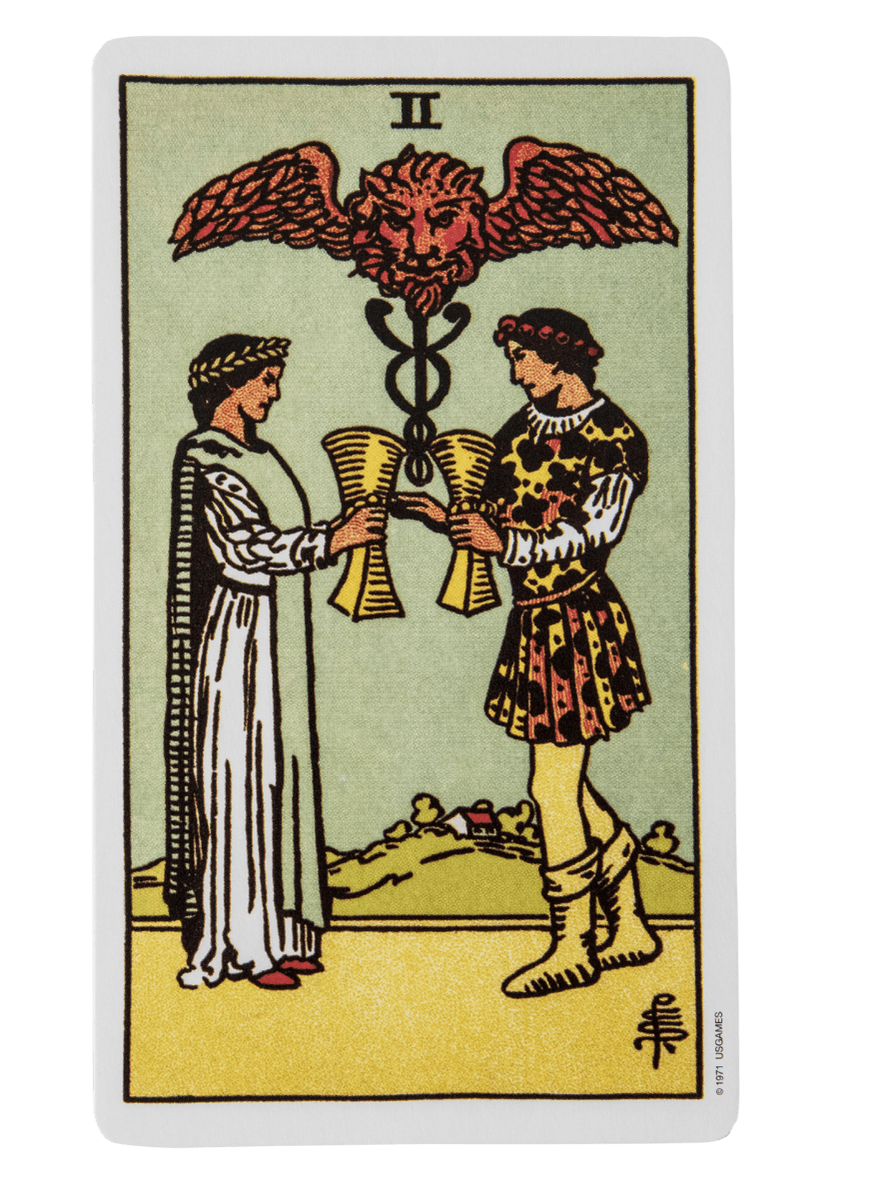
The Six of Cups often depicts two children exchanging cups, symbolizing emotional bonds and nostalgia.
Combined Meanings: Past, Love, and Emotional Patterns
When these three cards appear together in a reading—especially in the context of the past and love—they create a powerful narrative about emotional growth and renewal. The Six of Cups sets the stage by highlighting past influences, the Six of Swords shows your readiness to move forward, and the Page of Wands introduces the potential for new beginnings. This combination suggests that your fascination with the past isn’t random; it’s a clue to understanding your emotional needs and desires.
For example, if you’re questioning why you keep comparing your current partner to an ex, this trio of cards might reveal that you’re unconsciously seeking the same level of emotional security or passion you once had. Alternatively, it could indicate that you’re in the process of healing from a past wound and are now open to a relationship that feels more aligned with your true self. The Page of Wands encourages you to channel that past energy into something new, whether that’s a revived hobby, a fresh romantic connection, or a personal goal.
In readings about love, this combination can also point to a situation where past experiences are influencing present dynamics. For instance, if you’ve been hurt before, the Six of Cups might show up to acknowledge the pain, the Six of Swords to signal your readiness to move on, and the Page of Wands to remind you that love can still be exciting and fulfilling. It’s a reminder that while the past shapes us, it doesn’t have to define our future.
Practical Insights and Questions to Reflect On
To deepen your understanding of these cards in your own life, consider the following questions:
- Six of Cups: What past memories or relationships do I keep revisiting? Do they bring me joy, or do they hold me back?
- Six of Swords: What emotional baggage am I ready to leave behind? How can I honor my past while embracing the present?
- Page of Wands: Where do I feel a spark of passion or inspiration in my life right now? How can I nurture that energy?
Journaling about these questions can help you identify patterns and make conscious choices about your emotional well-being. If you’re in a relationship, discuss these themes with your partner to foster deeper understanding and growth. If you’re single, use this insight to clarify what you truly desire in a future partner.

The Six of Cups and Six of Swords together highlight the journey from nostalgia to emotional progress.
Conclusion
The interplay of the Six of Cups, Six of Swords, and Page of Wands offers a nuanced perspective on how the past shapes our love lives and emotional patterns. The Six of Cups reminds us of the power of memory and the comfort it can provide, while the Six of Swords encourages us to release what no longer serves us. The Page of Wands, meanwhile, infuses this journey with hope and the promise of new beginnings. Together, these cards suggest that your fascination with the past isn’t just a fleeting thought—it’s a call to understand your emotional needs and use that awareness to create a more fulfilling future.
By reflecting on these themes, you can transform nostalgia from a source of stagnation into a catalyst for growth. Whether you’re healing from a past relationship, seeking clarity on your current love life, or simply exploring your emotional landscape, this trio of cards offers valuable insights. Trust that your past has prepared you for the love and joy that awaits you in the present.
FAQ
What do the Six of Cups, Six of Swords, and Page of Wands represent in tarot?
These cards together represent a journey through nostalgia, emotional transition, and the potential for new beginnings, particularly in the context of love.
How can I interpret these cards in a love reading?
They suggest reflecting on past relationships while being open to new emotional experiences and growth.
Leave a Reply