Short Answer
Welcome to a deep dive into the fascinating world of tarot addiction! Have you ever found yourself reaching for your tarot deck at every turn, pulling cards for the most trivial decisions or out of sheer curiosity? If so, you might be experiencing what many enthusiasts affectionately call “tarot addiction.” This guide will explore the signs, causes, and potential challenges of tarot addiction, helping you understand whether your tarot habit is a harmless passion or something more complex. You’ll learn how to recognize the signs, set healthy boundaries, and even turn your addiction into a productive tool for self-growth. Let’s unravel the mystery together!
What Is Tarot Addiction? Understanding the Obsession
Tarot addiction is more than just a casual interest in tarot cards; it’s an intense, often compulsive urge to pull cards repeatedly, sometimes without a clear purpose. This behavior can stem from a variety of sources, including a desire for validation, a search for meaning, or simply the thrill of uncovering hidden insights. Unlike casual tarot reading, addiction often involves pulling cards multiple times a day, feeling anxious when you can’t access your deck, or relying on tarot for every decision—big or small.
At its core, tarot addiction can blur the line between intuition and dependency. While tarot is a powerful tool for self-reflection, using it excessively may prevent you from developing your own decision-making skills or trusting your inner voice. Recognizing the difference between a healthy tarot practice and an addictive one is the first step toward maintaining balance.
The Allure of Tarot: Why Do We Get Hooked?
Tarot’s appeal lies in its ability to provide clarity, comfort, and a sense of control in an unpredictable world. For many, pulling a card feels like receiving a personal message from the universe, offering reassurance or guidance. The ritualistic nature of shuffling, drawing, and interpreting cards can also be meditative, providing a temporary escape from stress or overthinking.
However, the dopamine hit from uncovering a “meaningful” card can create a feedback loop, making it hard to resist pulling again. Over time, this can lead to a cycle where tarot becomes a crutch rather than a tool. Understanding these psychological triggers can help you regain control and use tarot more mindfully.

Signs You Might Be a Tarot Addict: The Red Flags
How do you know if your tarot habit has crossed into addiction territory? Here are some telltale signs to watch for:
- Compulsive Pulling: You find yourself pulling cards multiple times a day, even for trivial questions like “What should I eat for lunch?”
- Anxiety Without Cards: You feel uneasy or lost when your tarot deck isn’t within reach.
- Over-Reliance on Tarot: You struggle to make decisions without consulting your cards first.
- Neglecting Other Interests: Your tarot habit starts to overshadow hobbies, relationships, or responsibilities.
- Emotional Dependence: You use tarot to avoid facing difficult emotions or situations instead of working through them.
If any of these resonate with you, it might be time to reassess your relationship with tarot and consider healthier alternatives.
The Challenge of Tarot Addiction: When Good Habits Go Too Far
While tarot can be a wonderful tool for self-discovery, addiction can lead to several challenges. One major issue is the erosion of personal agency. When you constantly seek answers from external sources like tarot, you may undermine your own intuition and problem-solving abilities. This can create a cycle of dependency where you feel incapable of making choices without external validation.
Another challenge is the potential for misinterpretation. Tarot cards are open to subjective interpretation, and over-reliance on them can lead to confirmation bias—where you only see what you want to see. This can distort your perception of reality and prevent you from addressing underlying issues objectively.
Finally, tarot addiction can strain relationships. Constantly seeking reassurance or discussing tarot readings with others might feel exhausting or overwhelming for your loved ones. It’s important to strike a balance between sharing your passion and respecting others’ boundaries.
Breaking Free: How to Reclaim Your Intuition
If you’ve recognized some of the signs of tarot addiction, don’t worry—it’s possible to regain control and restore balance. Start by setting clear boundaries for your tarot practice. For example, limit yourself to one pull per day or only use tarot for significant questions. This can help you break the cycle of compulsive pulling and rediscover your own inner wisdom.
Another helpful strategy is to journal your tarot readings. Writing down your interpretations and reflections can provide clarity and prevent over-reliance on the cards. It also allows you to track patterns and gain deeper insights over time without falling into the trap of repetitive pulls.
Consider incorporating other mindfulness practices into your routine, such as meditation, yoga, or journaling. These activities can help you reconnect with your intuition in a more grounded way, reducing the need for external validation from tarot cards.
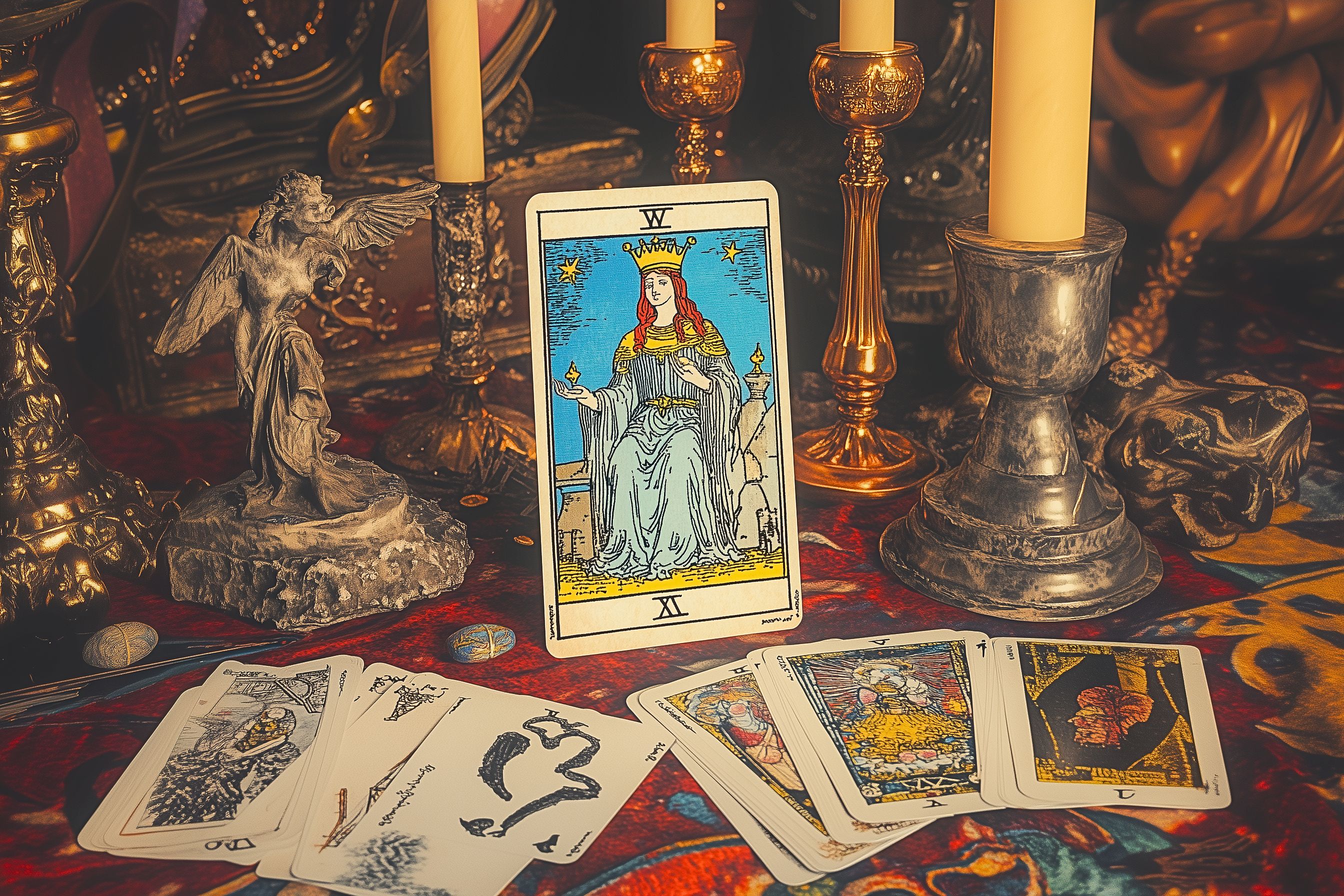
Tarot Addiction vs. Healthy Practice: Finding the Middle Ground
It’s essential to distinguish between a healthy tarot practice and an addictive one. A healthy practice involves using tarot as a tool for reflection, not as a crutch. It’s about asking meaningful questions, interpreting the cards with an open mind, and using the insights to guide your actions—not dictate them.
If you find yourself using tarot to avoid facing reality or making decisions, it’s time to take a step back. Ask yourself why you’re turning to tarot so frequently. Are you seeking answers you’re afraid to find elsewhere? Are you using it as a distraction from deeper issues? By addressing the root cause, you can transform your tarot practice into a more balanced and empowering experience.
Turning Your Tarot Addiction into a Productive Tool
Instead of viewing tarot addiction as a negative habit, consider how you can channel it into something productive. For example, you could use your frequent pulls to create a tarot journal where you document your interpretations and reflect on how they apply to your life. This can turn a compulsive habit into a meaningful self-development practice.
You might also explore tarot spreads designed for specific purposes, such as shadow work or decision-making. By giving your pulls a clear intention, you can make your tarot practice more focused and less scattered. This approach not only reduces the risk of addiction but also deepens your connection to the cards.
Conclusion: Embracing Tarot with Balance and Intention
Tarot addiction is a fascinating phenomenon that highlights the power of this ancient tool—and the potential pitfalls of over-reliance. By recognizing the signs, understanding the underlying causes, and setting healthy boundaries, you can transform your tarot practice from a compulsive habit into a mindful and enriching experience. Remember, tarot is a guide, not a replacement for your own intuition and decision-making. Use it wisely, and it can become a valuable ally on your journey of self-discovery.
FAQ
What is tarot addiction?
Tarot addiction refers to a compulsive urge to pull tarot cards repeatedly, often for trivial decisions, which can blur the line between intuition and dependency.
What are the signs of tarot addiction?
Signs include compulsive pulling, anxiety without cards, over-reliance on tarot for decisions, neglecting other interests, and emotional dependence on tarot.
How can I overcome tarot addiction?
Start by setting boundaries for your tarot practice, journal your readings, and incorporate other mindfulness practices to reconnect with your intuition.
Leave a Reply