Short Answer
In this comprehensive guide, you’ll explore the deep symbolism and practical meanings of the Pentacles suit in Tarot. Whether you’re a beginner or an experienced reader, you’ll gain insights into how Pentacles represent money, work, health, and the physical world. You’ll learn about the individual cards, their upright and reversed meanings, and how they relate to your daily life. By the end, you’ll understand how to interpret Pentacles in readings and apply their wisdom to your personal and professional growth.
The Pentacles Suit: An Overview
The Pentacles suit, also known as Coins or Disks, is one of the four suits in the Minor Arcana of the Tarot deck. Representing the element of Earth, Pentacles embody the tangible aspects of life—money, material possessions, career, health, and the physical body. Unlike the fiery passion of Wands or the emotional depth of Cups, Pentacles ground us in reality, reminding us of the importance of stability, practicality, and resourcefulness.
Each card in the Pentacles suit carries a message about abundance, effort, and the consequences of our actions. From the Ace of Pentacles, which signifies new beginnings and opportunities, to the Ten of Pentacles, which speaks of legacy and family wealth, these cards offer a roadmap for navigating the material world. Understanding Pentacles helps you make informed decisions about finances, career paths, and personal well-being.
Understanding the Symbolism of Pentacles
Pentacles are often depicted as coins or discs, sometimes adorned with symbols like roses, castles, or agricultural imagery. The five-pointed star on each Pentacle represents the human body, linking the suit to health, labor, and the physical realm. The Earth element further emphasizes connection to nature, growth, and sustainability. In readings, Pentacles encourage you to focus on what you can touch, feel, and build.
Common symbols in Pentacles cards include:
- Coins or Discs: Representing wealth, trade, and material resources.
- Plants and Harvests: Symbolizing growth, abundance, and the rewards of hard work.
- Buildings and Castles: Indicating stability, security, and long-term investments.
- Hands Holding Pentacles: Signifying generosity, skill, and the exchange of resources.
These symbols remind you that prosperity is not just about money but also about the effort, patience, and care you invest in your goals.
The Ace of Pentacles: New Beginnings and Opportunity
The Ace of Pentacles is a card of potential and new opportunities. It often depicts a hand emerging from a cloud, offering a single golden coin. This card signals the start of a financial venture, a new job, or a promising project. It’s a reminder that abundance is within reach if you’re willing to take the first step.
In a reading, the Ace of Pentacles can indicate:
- A new job offer or career opportunity.
- The beginning of a profitable investment or business idea.
- A gift or unexpected financial gain.
- A focus on health and self-care as a foundation for future success.
When reversed, the Ace of Pentacles may suggest missed opportunities or a lack of preparation. It’s a call to ground yourself and take practical steps toward your goals.
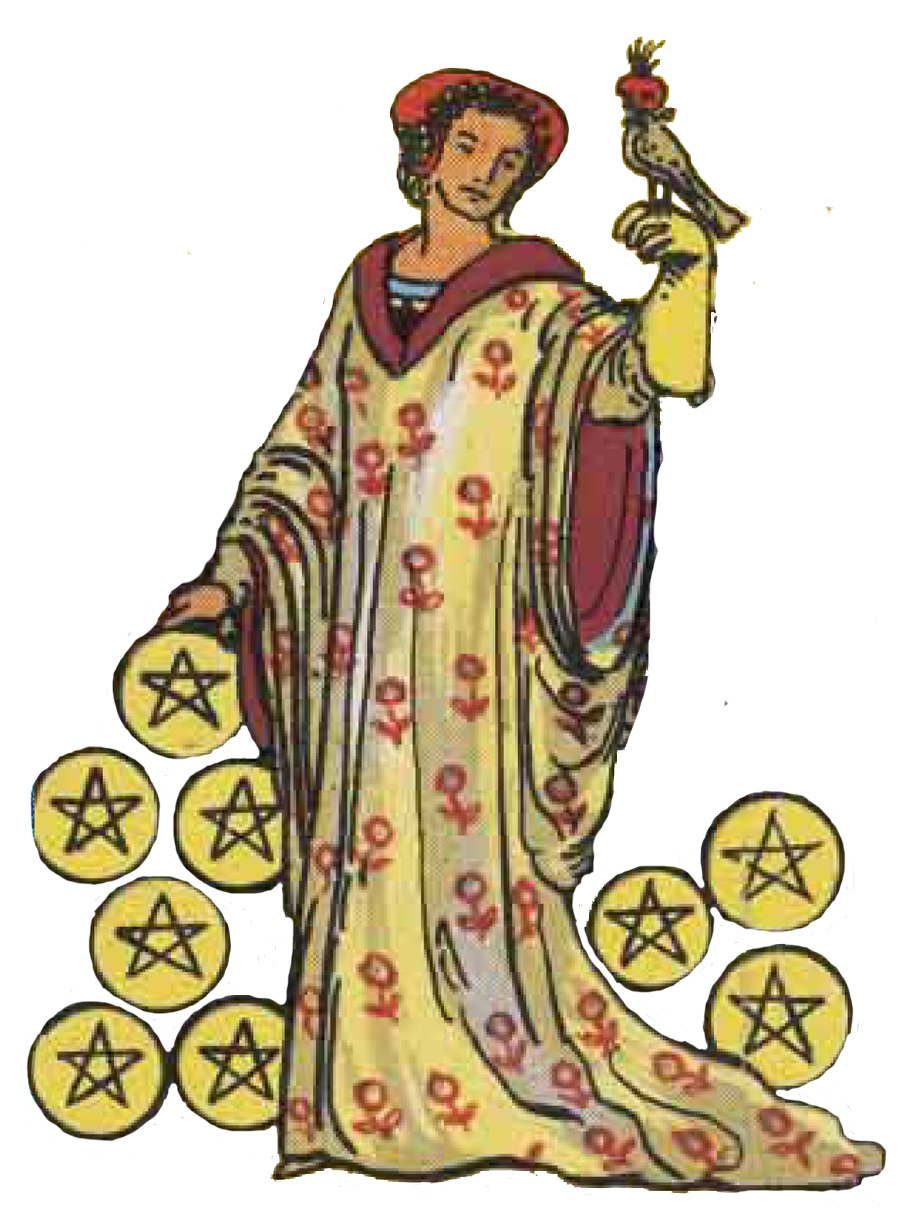
The Court Cards of Pentacles: Personalities and Roles
The court cards in the Pentacles suit—Page, Knight, Queen, and King—represent different personalities and energies associated with the suit. These cards often describe people in your life or aspects of yourself that relate to work, money, and practicality.
Page of Pentacles: A studious and diligent individual, often a student or someone eager to learn. This card can indicate a new financial opportunity or a message about education and skill-building.
Knight of Pentacles: Represents reliability, hard work, and a methodical approach. This card may appear when you need to stay committed to a long-term project or when someone in your life is a dependable worker.
Queen of Pentacles: Embodies nurturing, abundance, and practical wisdom. She is the homemaker, the caregiver, or the successful businesswoman who balances wealth with generosity.
King of Pentacles: The master of material success, this card signifies leadership, financial acumen, and the ability to create lasting wealth. He is the entrepreneur, the investor, or the stable provider.
Pentacles and Money: Financial Guidance from the Tarot
Pentacles are the go-to suit for questions about money, investments, and financial decisions. They offer clarity on spending habits, saving strategies, and the long-term consequences of your choices. Whether you’re considering a major purchase, evaluating a job offer, or planning for retirement, Pentacles provide practical advice.
Key financial insights from Pentacles include:
- Savings and Budgeting: Cards like the Four of Pentacles (holding tightly to resources) or the Six of Pentacles (generosity) highlight the balance between saving and sharing.
- Investments: The Three of Pentacles (collaboration and craftsmanship) suggests teamwork in financial ventures, while the Nine of Pentacles (luxury and self-sufficiency) points to wise investments in personal growth.
- Debt and Scarcity: The Five of Pentacles (hardship) warns of financial struggles, while the Ten of Pentacles (legacy) encourages long-term planning to avoid future pitfalls.
When Pentacles appear in a reading about money, pay attention to the card’s position (upright or reversed) and its surrounding cards for a fuller picture of your financial path.

Pentacles and Work: Career and Professional Growth
Pentacles are deeply connected to work, career, and professional development. They reflect your skills, your work ethic, and the tangible results of your labor. Whether you’re seeking a promotion, starting a business, or navigating workplace challenges, Pentacles offer guidance on how to align your efforts with your goals.
Common career-related Pentacles cards include:
- Two of Pentacles: Juggling multiple responsibilities or adapting to change in your career.
- Five of Pentacles: Feeling undervalued or facing job insecurity.
- Eight of Pentacles: Dedication to skill-building and mastery in your field.
- Ten of Pentacles: Achieving professional success that benefits your family or community.
Pentacles remind you that career success is built on consistency, patience, and a willingness to put in the work. They also highlight the importance of finding joy and fulfillment in what you do, not just the paycheck.
Pentacles and the Body: Health and Physical Well-being
Since Pentacles govern the physical world, they also relate to health, the body, and well-being. These cards can indicate your approach to self-care, your relationship with food and exercise, and how your body reflects your inner state. A reading with Pentacles may suggest areas of your health to focus on or warn against neglecting your physical needs.
Health-related Pentacles insights include:
- Strength and Vitality: The Strength card (often associated with Earth energy) encourages patience and endurance in healing.
- Neglect and Burnout: The Five of Pentacles reversed may signal a need to address health issues before they worsen.
- Nourishment: The Three of Pentacles reversed could indicate poor dietary habits or lack of self-care.
- Healing: The Ten of Pentacles reversed might suggest a family history of health issues to be mindful of.
Pentacles remind you that your body is your temple—treat it with the same care and attention you give to your finances and career.
Reversed Pentacles: Challenges and Lessons
When Pentacles appear reversed in a reading, they often highlight imbalances, missed opportunities, or areas needing attention. Reversed Pentacles can indicate financial struggles, health issues, or a disconnect from the material world. However, they also offer valuable lessons on how to course-correct and restore balance.
Common reversed Pentacles messages include:
- Financial Mismanagement: Overspending, debt, or poor investment choices.
- Workplace Struggles: Feeling stuck in a job, lack of recognition, or burnout.
- Health Neglect: Ignoring symptoms, poor lifestyle choices, or chronic stress.
- Materialism: Placing too much value on possessions or status at the expense of well-being.
Reversed Pentacles are not just warnings—they’re invitations to reassess your priorities and make changes that align with your true needs.
Pentacles in Daily Life: Practical Applications
Beyond readings, Pentacles offer wisdom for everyday decisions. They encourage you to:
- Set Clear Goals: Use the structure of Pentacles to break down financial or career goals into actionable steps.
- Practice Gratitude: The abundance of Pentacles reminds you to appreciate what you have, fostering a mindset of prosperity.
- Invest in Yourself: Whether through education, health, or skill-building, Pentacles highlight the importance of long-term investments.
- Stay Grounded: In times of uncertainty, Pentacles ground you in reality, helping you focus on what’s tangible and achievable.
Conclusion
The Pentacles suit is a powerful tool for understanding the material aspects of life—money, work, health, and the body. By learning to interpret these cards, you gain clarity on your financial path, career choices, and physical well-being. Pentacles teach that true abundance comes not just from wealth but from the effort, care, and wisdom you invest in your goals. Whether you’re seeking guidance on a specific situation or simply looking to deepen your Tarot practice, the Pentacles offer practical and profound insights to help you navigate life’s challenges with confidence and groundedness.
FAQ
What do Pentacles represent in Tarot?
Pentacles represent the material aspects of life, including money, work, health, and physical well-being.
How can Pentacles guide financial decisions?
Pentacles provide insights into spending habits, investment opportunities, and long-term financial planning.
What is the significance of the Ace of Pentacles?
The Ace of Pentacles signifies new beginnings and opportunities, often related to finances or career.
How do reversed Pentacles affect readings?
Reversed Pentacles often highlight imbalances or missed opportunities in financial or health matters.
Leave a Reply